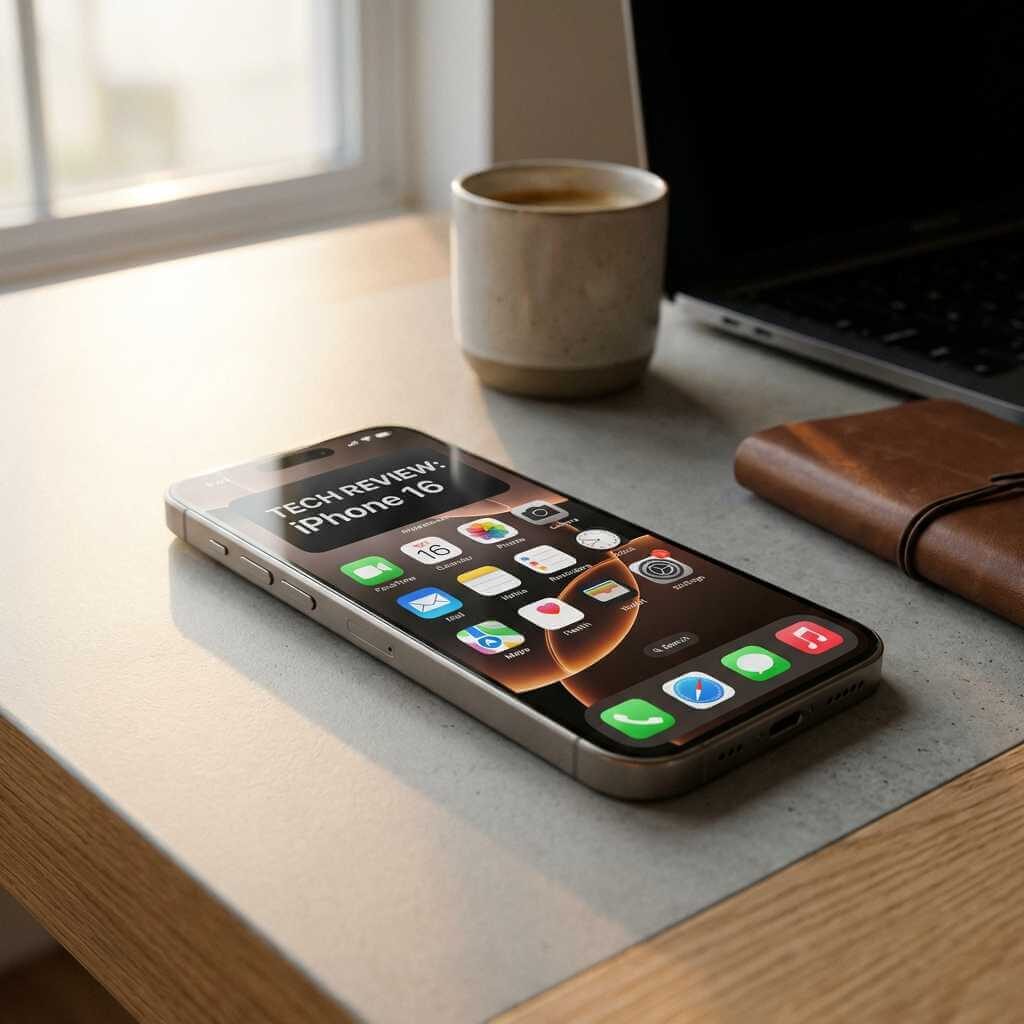
It’s 2026, and the iPhone 16 review is more relevant than ever.
With the iPhone 17 now available and Android rivals pushing harder than ever, the big question is simple: is the iPhone 16 worth it in 2026, or are you better off spending a bit more on a new model?
In this review, we break down how the iPhone 16 holds up in real-world use, comparing its performance, design, camera, and value against today’s top competitors. A big question right now is simple: is the iPhone 16 worth it in 2026, or are you better off spending a bit more on a newer model?
Table of Contents
TL;DR
- iPhone 16 is still relevant in 2026, mainly if you can get it at a clear discount.
- Its popularity comes from strong everyday performance, a modern design, good cameras, and a lower price than Apple’s Pro phones and newer rivals.
- The A18 chip and 8GB RAM still feel fast for daily use, gaming, and iOS updates over the next several years.
- The 6.1-inch size is a real plus if you want a lighter, easier-to-hold phone instead of a huge flagship.
- The camera is reliable for everyday photos, and video quality is still one of the phone’s best traits.
- The Camera Control button and Action Button add useful shortcuts that make the phone feel more premium.
- Battery life is good enough for a full day for most people, though charging speeds are just average now.
- The biggest weakness is the 60Hz display, which looks dated next to iPhone 17 and most 2026 Android flagships with 120Hz panels.
- Another weak spot is the lack of a telephoto lens, which hurts zoom photos and camera flexibility.
- iPhone 17 is the better buy for most people in 2026 if the price gap is small, thanks to its 120Hz display, better battery life, stronger cameras, and better base storage.
- Against Galaxy S26 Ultra and Pixel 10 Pro, iPhone 16 wins on simplicity and Apple ecosystem fit, but loses on display tech, zoom, and charging speed.
- Best for: buyers upgrading from much older iPhones who want a safe, polished Apple phone at the right price.
- Skip it if you want top-tier zoom, fast charging, or the smoothest display experience.
Introduction: iPhone 16 Review
A funny thing happened after the iPhone 17 arrived. People did not stop talking about the iPhone 16. Sales stayed strong, search interest stayed high, and many buyers still saw it as the safe pick for daily use. That says a lot about this phone.
When it comes to iPhone 16 vs iPhone 17, the difference is bigger than most people expect, especially in display quality, battery life, and long-term value.
I spent time using the iPhone 16 not just as a review unit, but as a daily companion. It handled calls, maps, photos, short videos, gaming sessions, and late-night doomscrolling. Some days it felt like the perfect modern iPhone for normal people. Other days, I could see where age had started to show.
This iPhone 16 review gets straight to that truth. The phone is still relevant in 2026. Yet price decides everything. At a healthy discount, it is easy to recommend. At a price too close to the iPhone 17, things get harder.
Why iPhone 16 Still Matters in 2026?
To really understand if the iPhone 16 is worth it in 2026, you have to look beyond specs and focus on real-world performance, camera reliability, and daily usability.
The iPhone 16 hit a sweet spot that Apple knows well. It brought a fast A18 chip, 8GB of RAM, a refined body, a better camera system, the Action Button, and the new Camera Control key without forcing buyers into Pro-level pricing.
That balance helped it stay popular long after launch. Plenty of people do not shop for bragging rights. They want a phone that feels premium, runs fast, takes strong photos, and fits into daily life without drama. iPhone 16 still does that very well.
There is another reason too. This is a phone that feels familiar in a good way. It does not try too hard. It just works, and that simple trait still means a lot in 2026.
Unboxing and first impressions
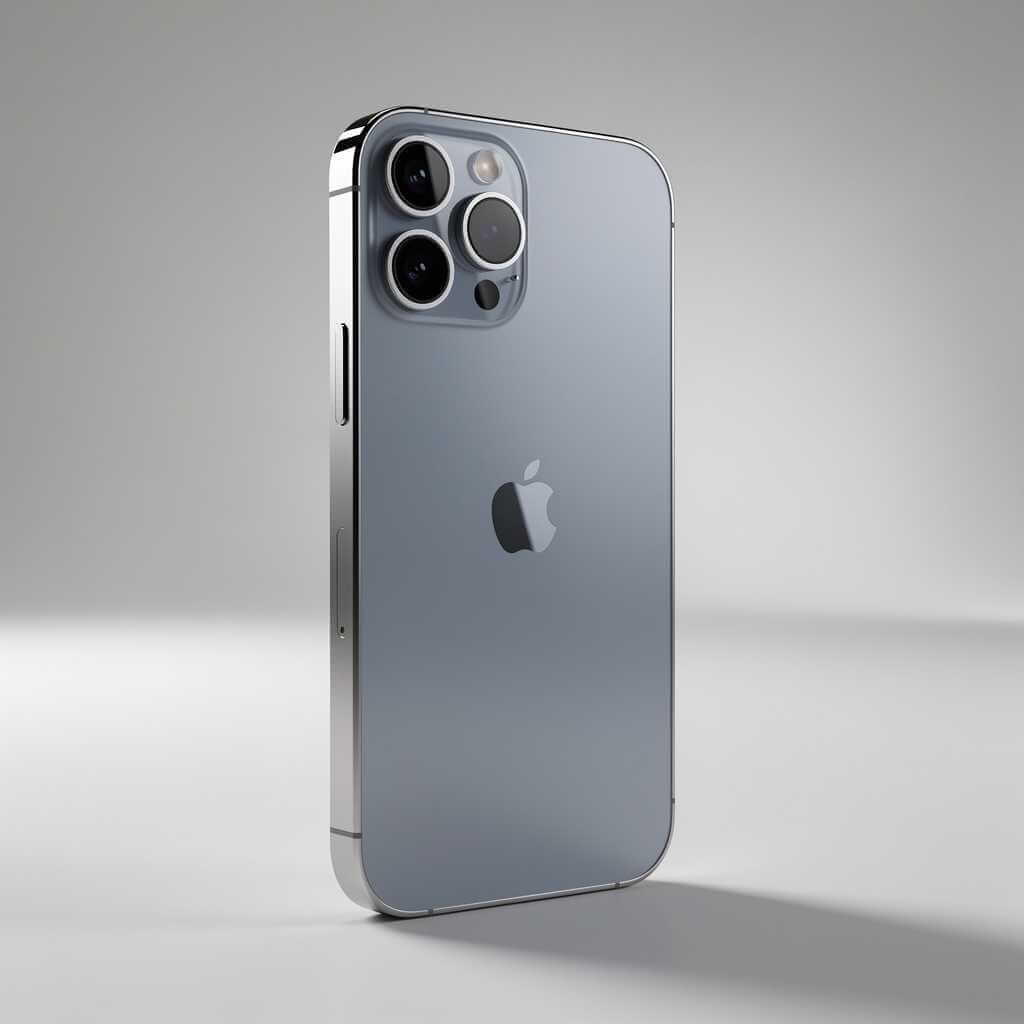
A clean, polished start
Opening the iPhone 16 felt classic Apple. The box is slim, setup is quick, and the phone gives that polished first impression Apple fans know well. Lift it out, and the first thing you notice is how tidy it feels. Nothing about it screams for attention, yet it still feels premium.
My first reaction was simple: this is the base iPhone done properly. The finish looked sharp, the frame felt solid, and the color options gave it a bit more character than older standard models. It felt less like the “cheap one” and more like the iPhone most people should buy.
Great size for real life
This part matters more than spec sheets suggest. The 6.1-inch body is still a sweet spot. Big enough for movies, photos, and games. Small enough for jeans pockets, one-handed use, and long text sessions without hand strain.
After weeks of use, that size kept winning me over. I could carry it all day without thinking about it. That is a small compliment, yet a real one. Many flagships in 2026 feel bulky. The iPhone 16 does not.
Design and build quality
Still handsome in 2026
The flat-edge design still looks fresh. Apple did not chase wild curves or flashy camera islands here. The phone keeps a clean silhouette, and that helps it age well. Set it on a table next to many newer devices, and it still looks current.
Apple pairs an aluminum frame with a color-infused glass back and Ceramic Shield on the front. Day to day, the phone feels well put together. Buttons are firm, seams are tight, and the whole thing gives off that dense, reassuring Apple build quality.
Durable and easy to live with
The IP68 rating adds peace of mind. I never test phones with a bucket of water for sport, yet knowing it can survive rain, splashes, and rough days helps. That trust matters when a phone is meant to stay in your pocket for years.
My own unit picked up very few marks during regular use. A case still makes sense, yet the phone never felt fragile. That is part of its appeal. It feels like a device built for normal people, not just spec hunters.
iPhone 16 Display Review: Is 60Hz Still Acceptable in 2026?
Bright, sharp, and easy on the eyes
The 6.1-inch OLED display still looks very good. Colors are rich, black levels are deep, text is crisp, and outdoor visibility is strong. Reading outdoors, checking directions in bright daylight, and watching video all felt comfortable.
For casual users, this screen still looks excellent. Photos pop. Video looks rich. FaceTime calls look clean and natural. If you are moving up from an iPhone 11, 12, or 13, the display will feel like a real step up.
60Hz is the weak point
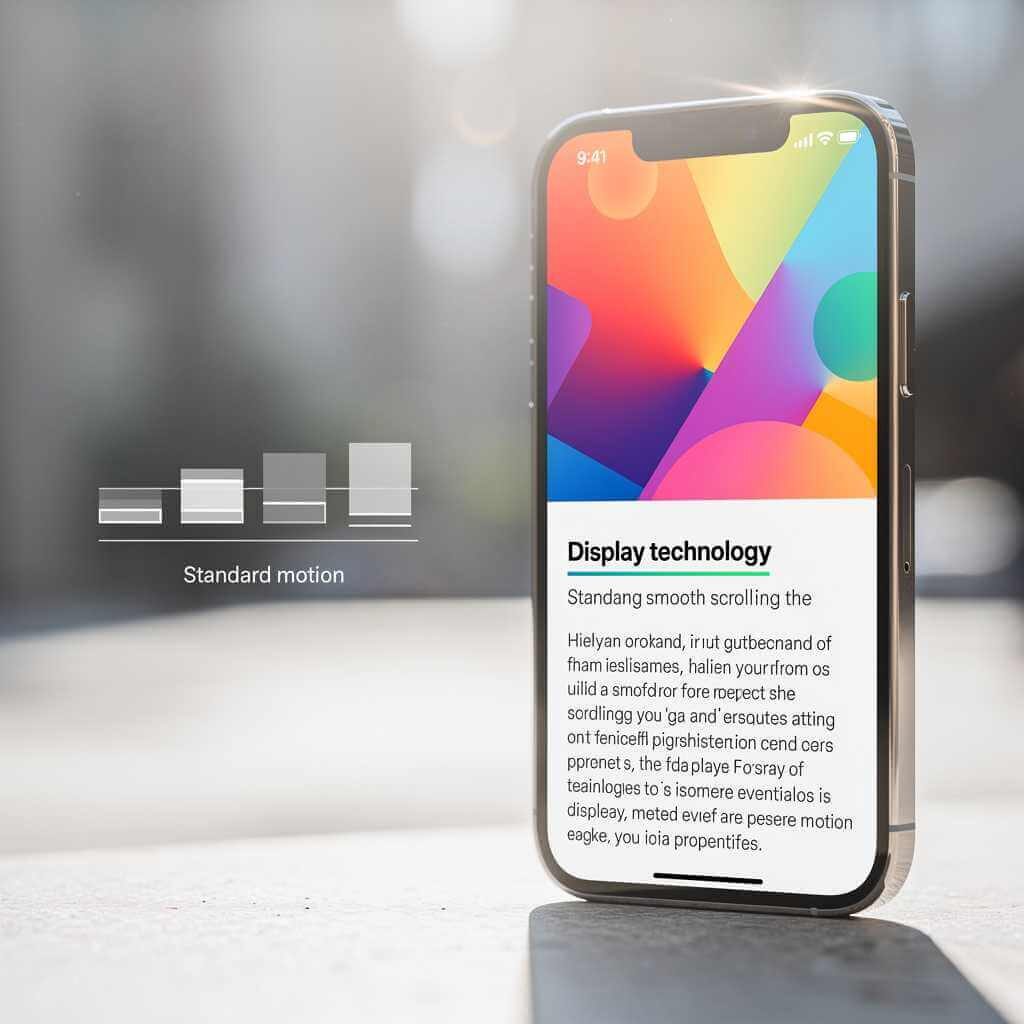
Now for the part that keeps coming back in any honest iPhone 16 review: the refresh rate. Apple stuck with 60Hz on the iPhone 16. In 2026, that feels old.
This issue is easy to ignore until you use a 120Hz phone right after it. Then the difference jumps out. Scrolling looks less fluid. Animations feel less silky. Gaming loses a layer of smoothness that many rival phones now treat as standard.
I could live with it. After a few hours, my eyes settled in. Yet every time I picked up a newer iPhone or a flagship Android phone, the gap was obvious. That is the single biggest mark against the iPhone 16 at current prices.
iPhone 16 Camera Review: Still Good Enough in 2026?
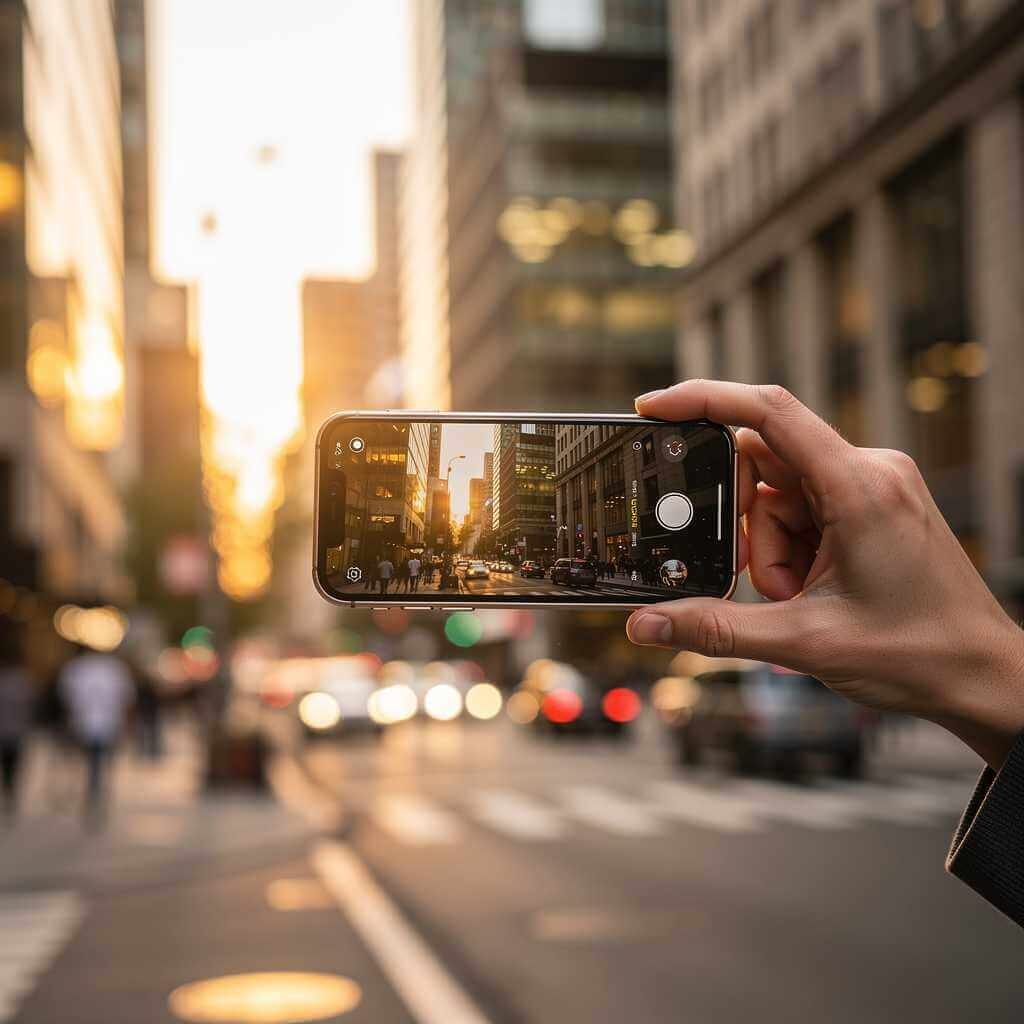
Fast, reliable, and easy to trust
The iPhone 16 pairs a 48MP main camera with a 12MP ultrawide camera, plus a 2x crop option from the main sensor. In real use, that setup is less flashy than some rivals, yet very dependable.
That word matters: dependable. I could pull the phone out, frame a shot, tap once, and feel pretty sure the result would look good. Skin tones looked natural. Exposure stayed balanced. Motion blur was rarely a problem in normal light. This is the kind of camera that makes people take more photos, not fewer.
Camera Control adds real convenience
I did not expect to care much about the Camera Control button. Then I used it for a while. It became one of those features that slips into routine without asking for praise. Quick launch, quick framing, quick capture. That kind of speed matters when life moves faster than menu taps.
A small story sums it up. I was walking to dinner just after sunset, saw light hitting a row of buildings, and grabbed a few shots before traffic rolled through. On another phone, I might have missed that moment digging through the lock screen. Here, the camera was ready fast.
Where the camera falls short
The weakness is not photo quality at normal range. The weakness is versatility. There is no telephoto lens. If you love zoom shots, concert photos, or tighter portraits, newer rivals can do much more.
Galaxy S26 Ultra and Pixel 10 Pro offer stronger zoom systems and better long-range flexibility. The iPhone 16 still handles everyday photos well, yet it cannot match that extra reach.
Video quality
Still one of the best reasons to buy an iPhone
Video remains a huge strength. iPhone 16 supports 4K60 HDR video and Dolby Vision, and that still matters for anyone who records family clips, travel moments, or social content.
This phone made video feel easy. Exposure shifts looked smooth. Stabilization worked well while walking. Audio capture was solid for a phone this size. I never felt nervous handing it the job of recording a memory.
One weekend, I used it to shoot a few clips during a family lunch, nothing staged, nothing fancy. Kids running around, plates arriving, someone laughing too loud across the table. The footage looked polished without extra effort. That kind of reliability is a real reason many people stick with iPhone.
iPhone 16 Battery Life Test: Can It Last a Full day in 2026?
Good enough for a full day
Battery life on the iPhone 16 is good. In my use, it handled a full day without stress on most days. Messaging, maps, camera use, music, browsing, and a bit of gaming did not force me to hunt for a charger before dinner.
That does not mean battery life is class-leading. It is not. Heavy days with lots of 5G, video, and camera use could pull it down faster than I wanted. Yet for average use, it stayed dependable.
Charging feels ordinary now
Charging is one area where the phone feels less competitive. Wired charging is fine, yet plenty of rivals in 2026 move much faster. Wireless charging is handy, though not a headline feature at this stage.
This is where newer phones start to flex harder. If you care about topping up in a short burst before heading out, Android rivals have a real edge. The iPhone 16 is more of an overnight charger’s phone than a speed-refill champ.
Performance and gaming
A18 still has plenty of life
The A18 chip still feels fast in 2026. Apps open quickly, multitasking stays smooth, photo editing feels light, and day-to-day use is never a chore. Paired with 8GB of RAM, the phone still feels modern and capable.
That matters for buyers who plan to keep a phone for years. iPhone 16 does not feel like a stopgap device. It still feels like a proper flagship, just not the freshest one.
Gaming is strong, screen holds it back
Gaming performance was better than many people expect from the standard model. Popular titles loaded quickly and ran well. Touch response felt sharp, and sustained performance stayed stable during long sessions.
Yet the display limit comes back here too. The chip can handle more than the 60Hz screen shows. So gaming feels fast, just not as fluid as it could on a 120Hz panel. The processor is not the bottleneck. The screen is.
iOS and AI features
iOS stays a big reason to choose it
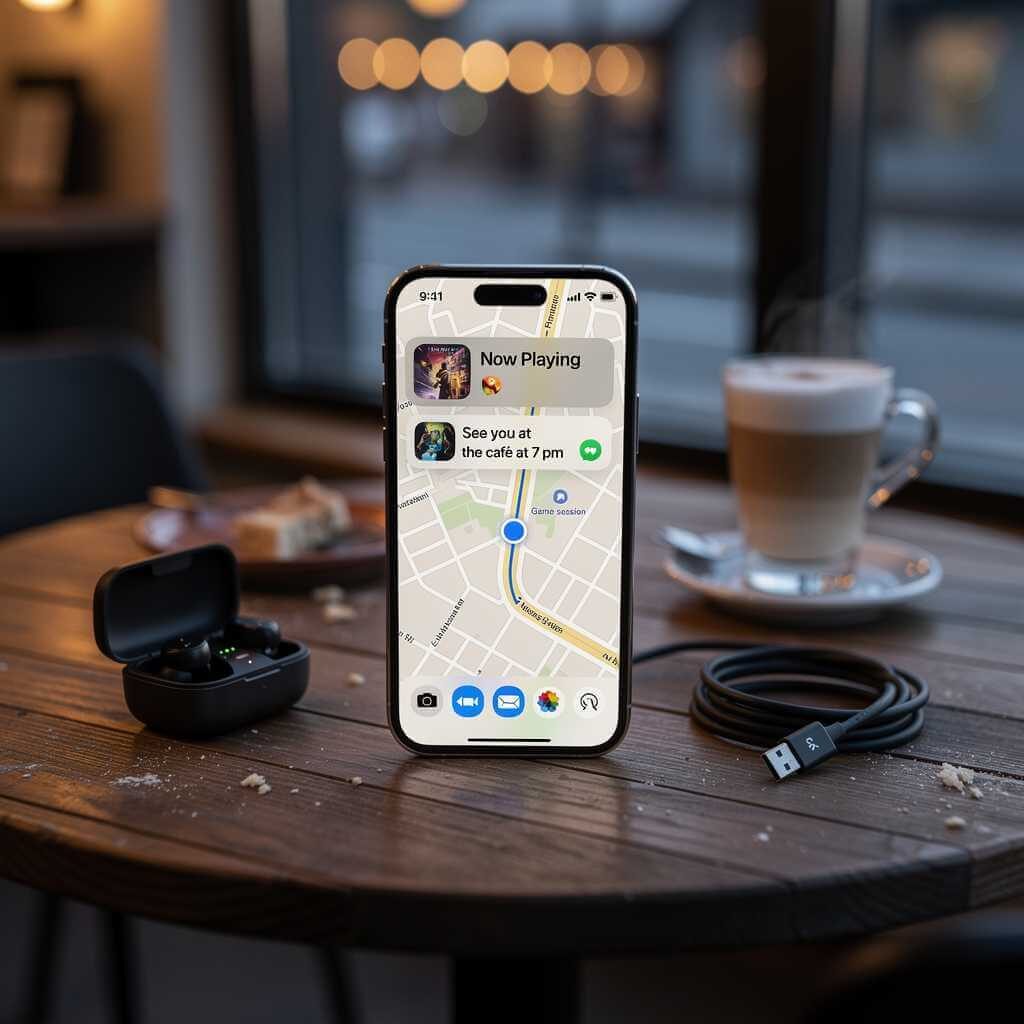
iOS still feels clean, polished, and easy to trust. App quality remains strong, animations are tidy, and the phone fits neatly into the Apple ecosystem. AirPods pairing, iCloud sync, Apple Watch support, AirDrop, and Mac handoff all add up to a smoother daily setup for Apple users.
That ecosystem effect is hard to measure on a spec chart, yet easy to feel in real life. If you already use a MacBook or Apple Watch, the iPhone 16 still makes a lot of sense.
AI is part of the story, not the whole story
AI features matter in 2026, and the iPhone 16 has enough hardware headroom to stay relevant in Apple Intelligence. The A18 chip and 8GB of RAM give it a solid base for present-day AI features and upcoming iOS extras.
Still, this is not the phone I would buy just for AI bragging rights. Newer devices have a stronger long-term case for that. On the iPhone 16, AI feels like a useful bonus, not the headline act.
What I love about iPhone 16
The easy parts of ownership
A lot of phones can impress in a ten-minute demo. Fewer stay pleasant after months of use. iPhone 16 gets many small things right, and those small things add up.
Here is what I liked most:
- Comfortable size and weight
- Strong main camera
- Excellent video quality
- Fast daily performance
- Clean, polished iOS experience
- Reliable build quality
- Useful Camera Control button
- Good resale appeal
None of that sounds dramatic, and that is part of the charm. The iPhone 16 wins through consistency.
Areas for improvement
Where Apple held back too much
No honest iPhone 16 review should ignore the weak spots. They are easy to spot in 2026.
Here is where Apple left room for criticism:
- 60Hz display at a premium price
- No dedicated telephoto camera
- Charging speeds that feel modest next to rivals
- Value gets shaky if the price sits close to iPhone 17
- Less hardware “wow” than top Android flagships
iPhone 16 vs iPhone 17: Which One Should You Buy in 2026?
Which one should most buyers pick?
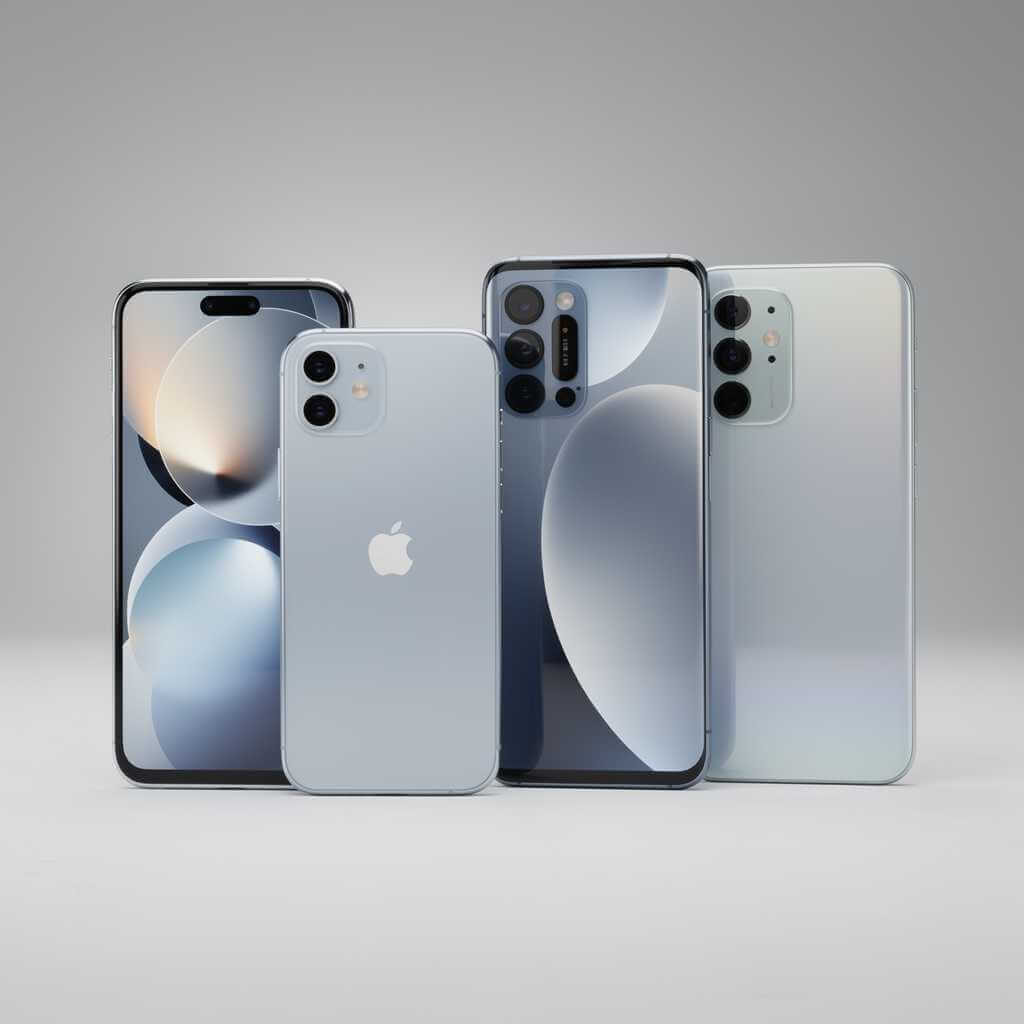
This is the matchup that matters most. In the iPhone 16 vs iPhone 17 comparison, the newer model clearly pulls ahead with its 120Hz display, improved battery efficiency, and better overall future-proofing. A 6.3-inch display, 120Hz ProMotion, always-on support, better brightness, more storage at the base tier, and a stronger long-term value case.
That means the iPhone 17 is the better buy for most shoppers buying new in 2026. The gap is not tiny. You can see it and feel it.
So where does that leave the iPhone 16? In a simple place. Buy it if the price difference is real. Skip it if the two phones sit too close together. At near-iPhone 17 money, the older phone stops making sense.
| Feature | iPhone 16 | iPhone 17 |
|---|---|---|
| Display | 60Hz | 120Hz |
| Battery | Good | Better |
| Value | Depends on price | Better long-term |
iPhone 16 vs Galaxy S26 Ultra
iPhone 16 vs Galaxy S26 Ultra comes down to priorities: Apple offers a lighter, simpler phone with strong video and ecosystem perks, while Samsung gives you a bigger 120Hz display, stronger zoom, and a larger 5,000mAh battery.
Apple comfort or Samsung muscle?
Galaxy S26 Ultra is the spec monster in this contest. Bigger display, 120Hz refresh rate, more zoom reach, larger battery, and faster charging all tilt toward Samsung.
Yet not every buyer wants a giant phone with every possible trick packed inside. iPhone 16 wins on size, simplicity, and that easy Apple ecosystem fit. One phone feels like a pocket computer for enthusiasts. The other feels like a polished everyday carry.
Pick Samsung if you want hardware excess. Pick iPhone 16 if you want a lighter, simpler, more compact daily phone and you already live in Apple’s ecosystem.
iPhone 16 vs Pixel 10 Pro
iPhone 16 vs Pixel 10 Pro comes down to style: Apple gives you better video, tighter ecosystem integration, and a simpler daily experience, while Google offers a 120Hz display, a 5x telephoto camera, and a more feature-rich AI package.
Smart camera rival, different personality
Pixel 10 Pro offers a richer camera toolkit and a stronger AI-first vibe. The telephoto camera alone gives it a clear edge for buyers who love zoom photography.
Yet iPhone 16 still fights back in a few key places. Video consistency is better. App polish feels tighter. The Apple ecosystem remains smoother for users already tied to Mac, AirPods, and Apple Watch.
Pixel 10 Pro feels more experimental. iPhone 16 feels more settled. Your choice comes down to taste as much as hardware.
Pricing and availability
Whether the iPhone 16 is worth it in 2026 ultimately depends on pricing, because at the right discount it becomes a smart buy, but at full price it struggles against newer rivals.
The value question decides everything
Apple’s direct store lists iPhone 16 from $699 in the U.S. Those numbers matter, since the value story changes fast once discounts appear.
At the right street price, iPhone 16 is a smart buy. At a weak discount, it is harder to justify. This is not a phone to buy blindly. You buy it when the numbers line up.
Here’s a quick pricing view:
| Model | Pricing note |
|---|---|
| iPhone 16 | Starts at $699 in Apple’s U.S. store |
| iPhone 17 | Costs more upfront, but offers newer hardware and better base storage value |
Should you buy iPhone 16 in 2026?
Yes, if you fit a very clear profile.
Buy the iPhone 16 if you want:
- A compact iPhone that still feels premium
- A strong camera for daily photos and great video
- Fast performance for years to come
- A better price than iPhone 17
- A smooth fit with Apple devices you already own
Skip the iPhone 16 if you want:
- 120Hz display smoothness
- Serious zoom photography
- Faster charging
- The strongest long-term value at near-full price
FAQ: iPhone 16 Review 2026
Q1: Is iPhone 16 worth it in 2026?
Yes — the iPhone 16 is still worth it in 2026 if you can get it at a clear discount. It offers strong performance, reliable cameras, and smooth everyday usability. However, if the price is close to the iPhone 17, the newer model delivers better value thanks to its 120Hz display and improved battery life.
Q2: Why is iPhone 16 still popular in 2026?
The iPhone 16 remains popular because it strikes a balance between performance, design, and price. According to Counterpoint Research, it ranked among the best-selling smartphones globally, which helps maintain strong resale value and buyer confidence.
Q3: Does iPhone 16 still feel fast in 2026?
Yes, the iPhone 16 still feels fast in 2026 thanks to its A18 chip and 8GB of RAM. Apps open quickly, multitasking is smooth, and gaming performance remains solid. The only limitation is the 60Hz display, which feels less fluid compared to newer 120Hz devices.
Q4: How good is the iPhone 16 camera in 2026?
The iPhone 16 camera is still very good for everyday use. It captures natural colors, balanced exposure, and reliable shots in most conditions. However, the lack of a telephoto lens limits zoom performance compared to newer flagship phones.
Q5: Is iPhone 16 good for video recording?
Yes — video is one of the iPhone 16’s biggest strengths. It supports 4K60 HDR recording with excellent stabilization, consistent exposure, and strong audio quality, making it a great choice for both casual users and content creators.
Q6: How long does the iPhone 16 battery last?
The iPhone 16 battery comfortably lasts a full day for most users with moderate use. Activities like messaging, browsing, and video playback are handled easily, but heavy use with gaming or 5G can drain it faster.
Q7: What is the biggest downside of iPhone 16?
The biggest downside is the 60Hz display. In 2026, most flagship phones offer 120Hz refresh rates, making the iPhone 16 feel less smooth during scrolling and animations.
Q8: Should I choose iPhone 16 or iPhone 17?
In the iPhone 16 vs iPhone 17 comparison, the iPhone 17 is the better choice for most people. It offers a smoother 120Hz display, better battery life, and improved long-term value. The iPhone 16 only makes sense if it is significantly cheaper.
Q9: How does iPhone 16 compare to Android flagships in 2026?
Compared to Android rivals, the iPhone 16 wins in video quality, ecosystem integration, and overall polish. However, it falls behind in display technology, zoom capabilities, and charging speed. At the end, iPhone 16 vs Galaxy S26 Ultra comes down to priorities.
Q10: Who should buy iPhone 16 in 2026?
The iPhone 16 is ideal for users upgrading from older iPhones who want a reliable, compact, and easy-to-use device with strong performance and long software support.
Q11: Who should skip iPhone 16?
You should skip the iPhone 16 if you want a 120Hz display, advanced zoom photography, or faster charging speeds. It’s also not the best choice if the iPhone 17 is priced close enough to justify the upgrade.
iPhone 16 Review 2026: Final Verdict – Should You Buy It?
The iPhone 16 is still a good phone in 2026. In many ways, it is a very easy phone to live with. It looks good, feels good, runs fast, shoots reliable photos, records excellent video, and fits neatly into Apple’s ecosystem.
Yet price is the whole story now. If you find a proper discount, the iPhone 16 remains a smart buy and a very safe pick for everyday use. If the price sits too close to the iPhone 17, go newer. That is the honest answer.
So, is the iPhone 16 worth it in 2026? Yes — but only if you’re getting it at a meaningful discount compared to the iPhone 17.