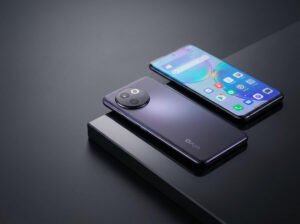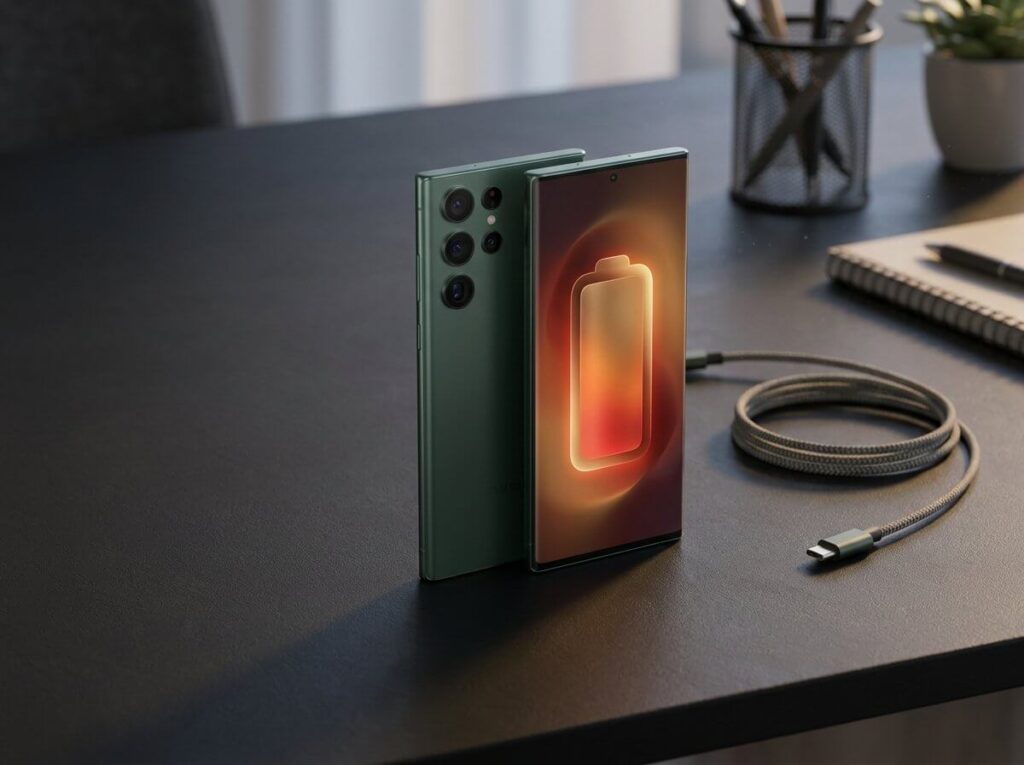
My first reaction after picking up the Redmi Note 17 Pro Max was simple: this phone feels large, heavy, and built around endurance rather than slim-pocket comfort. After a month of calls, work apps, photos, short videos, navigation, gaming, and late-night scrolling, that choice makes sense — Xiaomi has created a mid-range phone for people tired of hunting for a charger every evening.
This Xiaomi Redmi Note 17 Pro Max Review covers daily use rather than a spec-sheet recital. The headline is a 10,000mAh silicon-carbon battery, 100W charging, a 6.83-inch AMOLED screen, 50MP OIS camera, Snapdragon 6 Gen 5 chip, and HyperOS 3 software. Yet living with a phone reveals details that product pages cannot: the weight in your hand, camera limits after sunset, software clutter, and whether AI photo tools save time or feel like a gimmick. Xiaomi lists a 6.83-inch 1.5K AMOLED panel, 120Hz refresh rate, 10,000mAh battery, and 100W HyperCharge on its official product page.
Today we will explore the most beefed up smartphone of the Redmi Note 17 models and that is: Xiaomi Redmi Note 17 Pro Max.
But, before getting into my own month-long experience, this independent video review shows how the Redmi Note 17 Pro Max performs across several days of normal use, including battery life, charging, durability, and cameras.
Table of Contents
Redmi Note 17 Pro Max Real-World Video Review
TL;DR: Xiaomi Redmi Note 17 Pro Max Review
The Xiaomi Redmi Note 17 Pro Max is a battery-first Android phone with a large 6.83-inch 120Hz AMOLED display, fast 100W charging, durable hardware, and a dependable 50MP OIS main camera. Its drawbacks are the heavy body, average ultrawide camera, mid-range gaming performance, and HyperOS software clutter. It is an excellent choice for travelers, commuters, media fans,
and remote workers who value long battery life, but not for buyers seeking a compact phone, flagship cameras, or top-tier gaming performance.
Redmi Note 17 Pro Max at a Glance
Xiaomi did not chase flagship-level processor scores or a triple-camera system full of zoom lenses. Instead, it focused on a large screen, huge battery, water resistance, and a sensible primary camera. The design of the Redmi Note 17 Pro Max did not only improve in looks, but also in durability.
| Feature | Redmi Note 17 Pro Max experience |
|---|---|
| Display | 6.83-inch AMOLED, 2772 x 1280 resolution, up to 120Hz refresh rate |
| Battery | 10,000mAh silicon-carbon cell, 100W wired charging, 27W wired reverse charging |
| Chipset | Snapdragon 6 Gen 5, made on a 4nm process |
| Cameras | 50MP OIS main camera, 8MP ultrawide, 32MP selfie camera |
| Video | Up to 4K at 30fps from rear and front cameras |
| Software | Xiaomi HyperOS 3, plus Google Gemini and Xiaomi gallery AI tools |
| Protection | IP66, IP68, IP69, and IP69K ratings, plus Gorilla Glass Victus 2 |
| Weight | 229.5g, so this is far from a light compact phone |
Storage matters here. Xiaomi offers versions ranging from 8GB/128GB to 12GB/256GB, although faster UFS 4.1 storage applies to the 256GB and 512GB options; the base 128GB model uses UFS 2.2. If you shoot 4K clips, download offline media, or install large games, I would avoid 128GB.
Design: Tough Yet Heavy
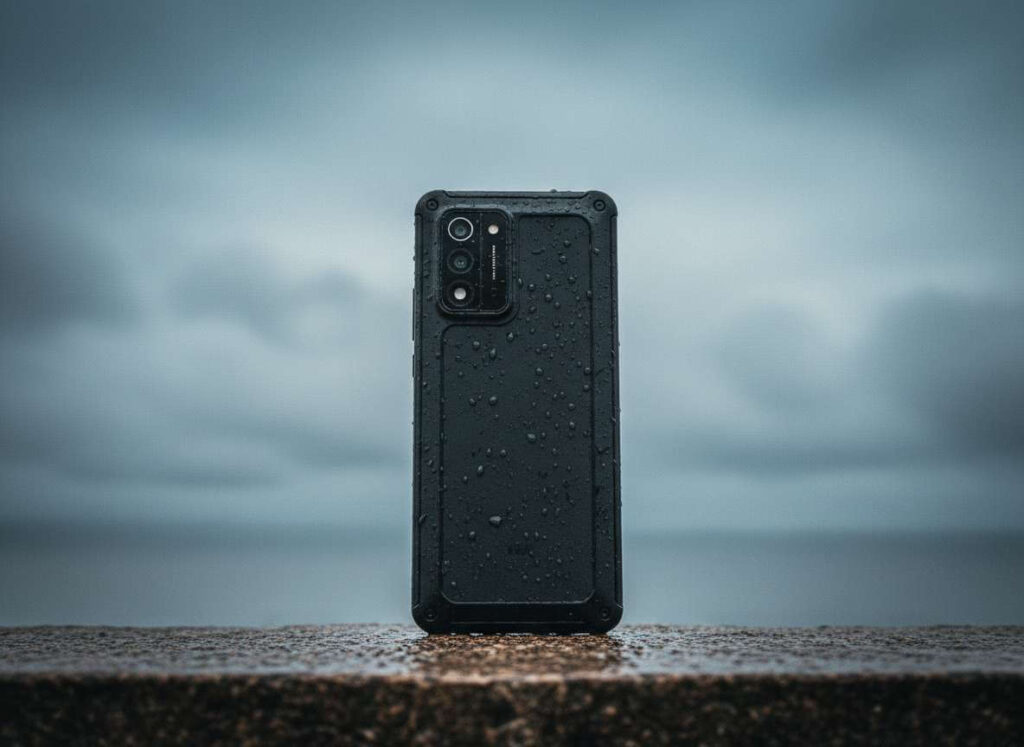
The Redmi Note 17 Pro Max has a reassuringly solid feel. Gorilla Glass Victus 2 covers the display, and Xiaomi rates the handset for IP66, IP68, IP69, and IP69K dust and water resistance under lab conditions. That protection removes some anxiety during rain, kitchen use, or a wet commute.
Still, this is not a phone I forgot was in my pocket. At 229.5g and 78.27mm wide, it demands a firm grip, and single-handed typing feels awkward unless you use Xiaomi’s one-hand mode. I liked the confidence of a large chassis during filming and reading, yet I noticed the weight during long walks and when holding the device above eye level for video.
The included case helps, though it adds bulk. A flatter or more compact phone may suit people who value pocket comfort above all else. Xiaomi has made a practical trade: the large battery needs physical space, and you feel that decision every day.
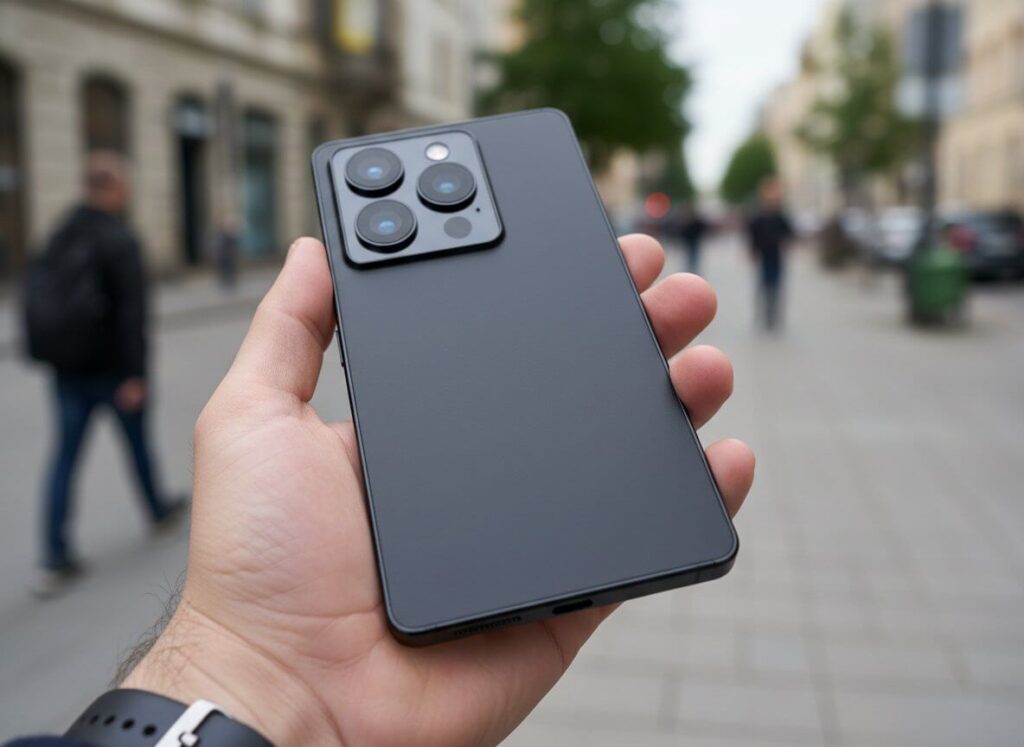
The Redmi Note 17 Pro Max relies on a traditional flat design – panels and frame. No matter the colorway you choose, you’d be getting a silky-smooth phone with an all-matte finish for smudge resistance.
Water Resistance
IP ratings are useful, but they do not turn the phone into an underwater camera. Xiaomi states that water resistance relates to controlled tests, can weaken through normal wear or damage, and does not cover use beyond tested conditions. I treated it as weather protection, not a reason to film in a pool or rinse the device under a tap.
Screen and Speakers
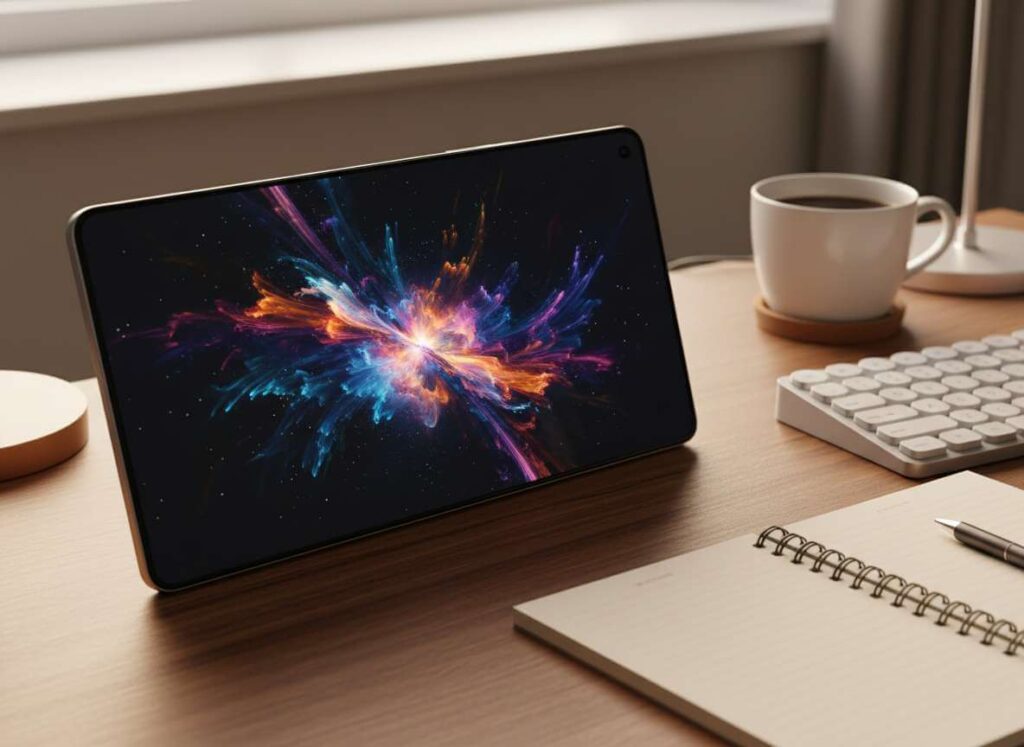
The 6.83-inch AMOLED display became a genuine daily pleasure. Text looks sharp at 447ppi, scrolling feels fluid at 120Hz, and the panel supports HDR10+ and Dolby Vision. Whether I was reading technical articles, reviewing a WordPress draft, or watching YouTube at night, the screen felt spacious and easy on the eyes.
Outdoor viewing was strong during sunny afternoons. Xiaomi rates the panel at up to 3,500 nits UHBM and includes a sunlight-display mode, DC dimming, and 3840Hz PWM dimming. Numbers never tell the full story, yet I had no trouble checking maps or framing photos outdoors.
Dual speakers add useful body for podcasts and videos. Xiaomi advertises a 400% volume boost, though that claim refers to increased volume steps and real results vary by content. At normal volume, voices sound clear. At the loudest setting, sound becomes less balanced, so I preferred staying below the maximum.
Battery Life Is the Star

Redmi Note 17 Pro Max Battery Drain Test
My experience points in the same direction as controlled third-party testing. In the battery-drain test below, the Redmi Note 17 Pro Max is compared with Honor, Samsung, and iPhone models under consistent brightness and mixed-use conditions.
Battery life is the reason to consider this phone. During my month of use, I stopped carrying a charger on normal workdays. A morning packed with Slack, email, Chrome, Telegram, Google Maps, music, camera use, and social apps still left plenty of reserve for the evening.
Xiaomi claims up to 40 hours of video playback, 24 hours of navigation, 21 hours of gaming, and 15 hours of video recording under its test conditions. My use was mixed, so I did not treat those lab figures as a promise. Even so, two full days felt realistic, and lighter use could stretch longer.
A memorable test came during a weekend day out. I used navigation, took dozens of photos, recorded several short 4K clips, sent media through messaging apps, and watched videos back at home. I did not need to think about battery percentage. That mental freedom is the Redmi Note 17 Pro Max’s best feature.
For owners who want to squeeze even more from a large battery, our guide on how to improve battery life on Xiaomi phones covers settings, autostart management, and charging habits that matter.
Charging and Reverse Charging
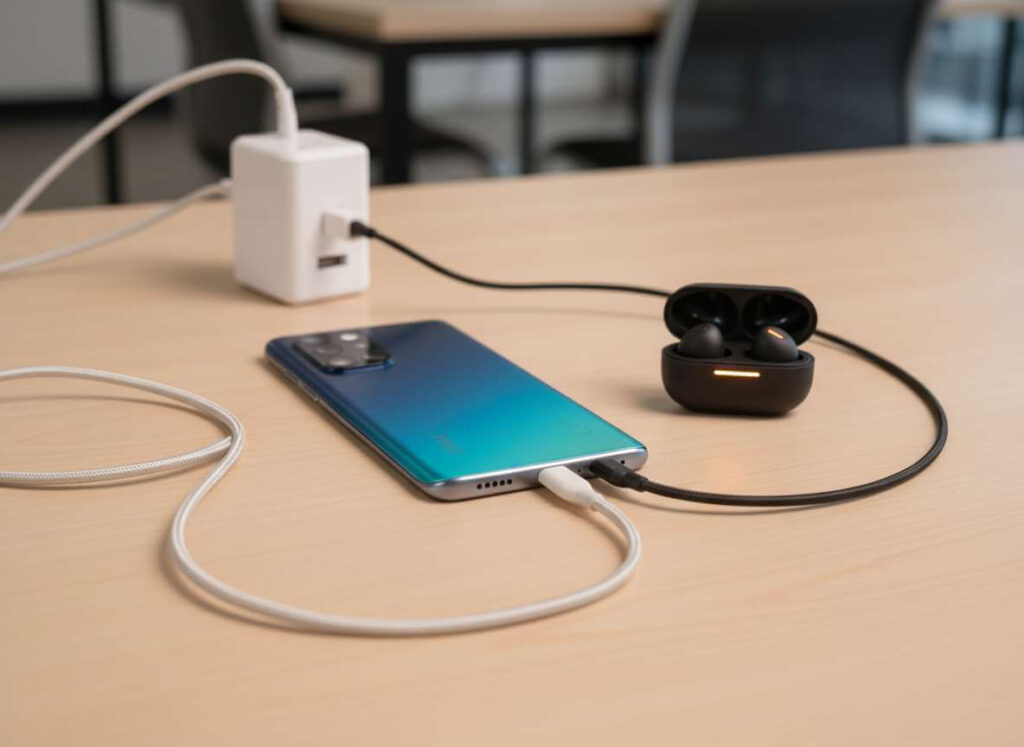
The phone supports 100W HyperCharge and Xiaomi says a compatible PPS adapter is needed for maximum charging speeds. Xiaomi also lists a 100W charger in the package, though local retail bundles can differ. Check before buying, especially if you order from another market.
If you plan to keep this phone for several years, it’s worth knowing how to check battery health on Xiaomi devices, especially as cycle counts rise.
Charging from a low level is fast enough to change habits. I no longer planned a long charge overnight; a short top-up before leaving home covered me. The handset can provide up to 27W wired reverse charging too, which came in handy when a pair of wireless earbuds needed a quick rescue.
Performance for Daily Work
The Snapdragon 6 Gen 5 is a sensible mid-range chip, not a flagship gaming part. Xiaomi pairs it with LPDDR5X memory and offers up to 512GB of storage. Daily tasks felt smooth: switching between browser tabs, messaging, document edits, photo work, banking, and video calls caused no drama.
For a remote work routine, I appreciated the large display for checking a website dashboard, reading long drafts, or replying to client messages. HyperOS handled split-screen use well enough for copying notes from a browser into a writing app. The phone was not a replacement for my laptop, but it reduced those “I need to open the computer for this tiny task” moments.
Games ran well at sensible settings, though demanding titles may need graphics compromises if smooth frame rates matter most. Xiaomi’s Game Turbo can activate a 3200Hz instantaneous touch-sampling mode, though that feature applies only through Game Turbo. Casual games and emulation felt comfortable; serious mobile gamers should compare sustained performance against Poco or upper-tier Xiaomi devices before choosing.
Cameras: Strong Main Sensor, Weak Ultrawide
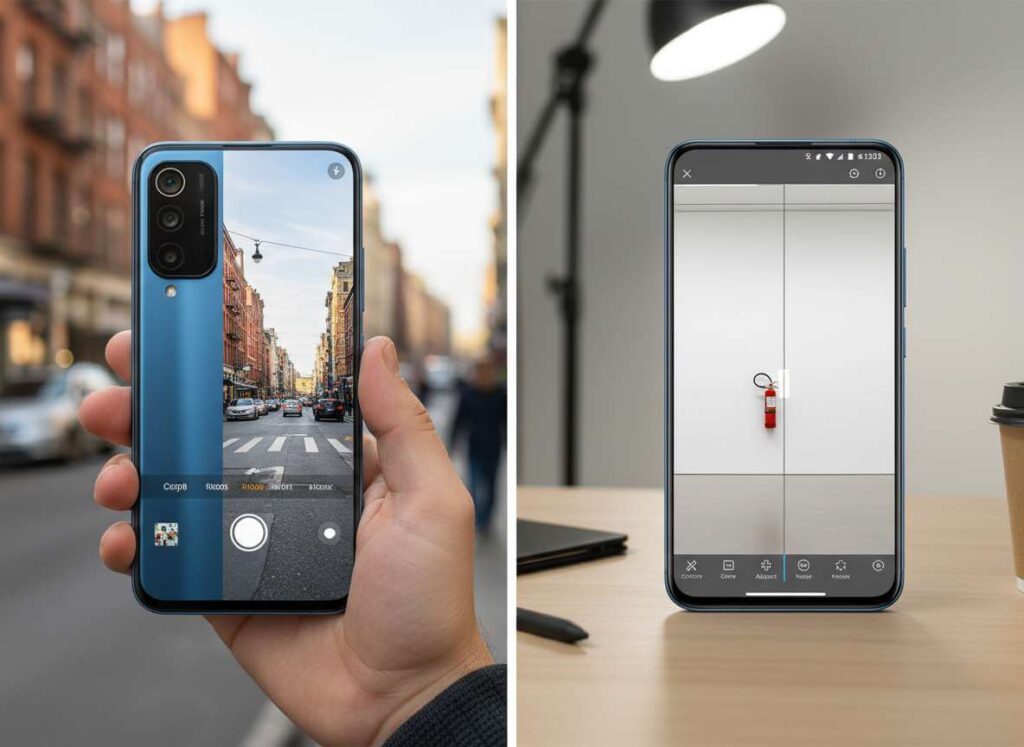
The rear camera setup is simple: a 50MP primary camera with optical image stabilization and an 8MP ultrawide. That means Xiaomi has placed most of its camera budget into the lens you will use most.
In daylight, the primary camera produced photos I was happy to share without much editing. Detail, exposure, and color held up well for city scenes, food, pets, and portraits. OIS helped when shooting in lower indoor light or during quick handheld clips.
My favorite photography habit involved taking several natural shots first, then using the Gallery editor later rather than trying to fix every frame on location. This gave me time to enjoy a walk or meet-up rather than stare at the screen. The 50MP main sensor was dependable enough that I could return home knowing I had a usable photo.
Real-Life Photo Editing
Xiaomi includes AI Erase Pro, AI Glare Removal, AI Image Expansion, AI Sky, AI Bokeh, AI Cutouts, AI Image Enhancement, AI Beautify, and AI Film. Several features require internet access, and availability can vary according to region, app version, or system software.
AI Erase Pro became my most-used tool. I removed distracting people from a street shot and cleaned a stray cable from a desk photo used for a post. Results were strongest against plain backgrounds; detailed edges, patterned surfaces, or crowded scenes could leave small artifacts. I treated it as a useful cleanup tool, not proof that every photo can be repaired.
AI Glare Removal helped with a photo taken through a café window. It did not create magic, yet it reduced reflections enough to save an otherwise disposable image. AI Image Expansion was fun for adjusting a vertical photo into a wider crop, though generated edges deserve a close check before publishing.
Video Experience
Both front and rear cameras support 4K recording at 30fps, alongside 1080p at 30fps or 60fps. I used the rear camera for short product clips, social-media footage, and casual travel videos. Good daylight produced clean, stable footage, and OIS gave handheld clips a steadier feel than I expected from this class.
The limits appear in difficult light. Night video looks softer, and the lack of a dedicated telephoto camera restricts creative reach. The 8MP ultrawide is serviceable for landscapes and group shots, though it cannot match the detail or low-light quality of the main camera. Digital Camera World reached a similar conclusion, praising the battery, display, and tough build while calling the dual-camera setup conservative.
HyperOS 3 and AI
HyperOS 3 feels quick and feature-rich — and as we covered in our HyperOS 3.0 overview, this update leans heavily on AI, cross-device integration, and performance tuning. Although please note that it still carries Xiaomi’s familiar software trade-offs. The interface offers plenty of customization, useful tools, and close ties to Xiaomi services, but some users may dislike preinstalled apps, promotional prompts, and duplicated app choices.
My advice after a month is simple: spend 20 minutes setting it up properly. Disable notifications from apps you do not need, review privacy settings, remove or hide unwanted software where possible, and keep the home screen clean. Once I did that, day-to-day use felt far calmer.
Google Gemini and Circle to Search are part of the supported AI mix. Circle to Search was useful when I spotted a gadget in a video or wanted a quick explanation of an unfamiliar term without manually switching apps. Gemini worked best for drafting reminders, rephrasing rough notes, and turning an untidy list into a practical outline. Treat generated answers as a starting point, not a final source for technical or financial claims.
HyperOS also aims to tie phones into a broader Xiaomi ecosystem, including tablets, TVs, and even PCs, as we discussed in our piece on HyperOS for computer.
How It Stacks Up
The Redmi Note 17 Pro Max makes most sense for buyers who rank battery life and display size above raw gaming speed or camera flexibility.
Redmi Note 17 Pro Max vs Redmi Note 17 Pro and Redmi Note 17
If you are deciding between the Redmi Note 17, Redmi Note 17 Pro, and Redmi Note 17 Pro Max, this comparison helps explain where the Max model’s larger battery, faster charging, stronger chipset, and camera features fit within the series.
| Buyer priority | Redmi Note 17 Pro Max fit | Reason |
|---|---|---|
| Two-day or longer battery use | Excellent | 10,000mAh battery and 100W wired charging are rare at this level. |
| Media and reading | Excellent | Large 6.83-inch AMOLED, 1.5K resolution, Dolby Vision, and 120Hz refresh rate. |
| Everyday work apps | Very good | Snapdragon 6 Gen 5, LPDDR5X RAM, 5G, Wi-Fi 6, NFC, and eSIM support in relevant markets. |
| Mobile photography | Good | OIS main camera handles most shots well; ultrawide camera is a clear compromise. |
| Gaming-first purchase | Fair to good | Capable mid-range chip, but not designed to beat flagship-class gaming phones. |
| Compact phone fans | Poor | 229.5g weight and broad 78.27mm body feel substantial. |
This is a natural evolution of Redmi’s long-running focus on affordable, high-endurance phones — a line that includes models like the Redmi Note 7, Note 8, and Redmi 9, which were praised for their solid battery life in their day.
Compared with many rivals, Xiaomi’s advantage is endurance. Few phones combine a 10,000mAh battery, 100W charging, 1.5K AMOLED panel, Gorilla Glass Victus 2, and high-tier ingress ratings in a single package. The compromise is clear too: a large body, mid-range processor, no telephoto lens, and an ultrawide camera that feels more functional than special. Moneycontrol comparison shows how it stack Pro vs Pro Max.
Who Should Buy It?
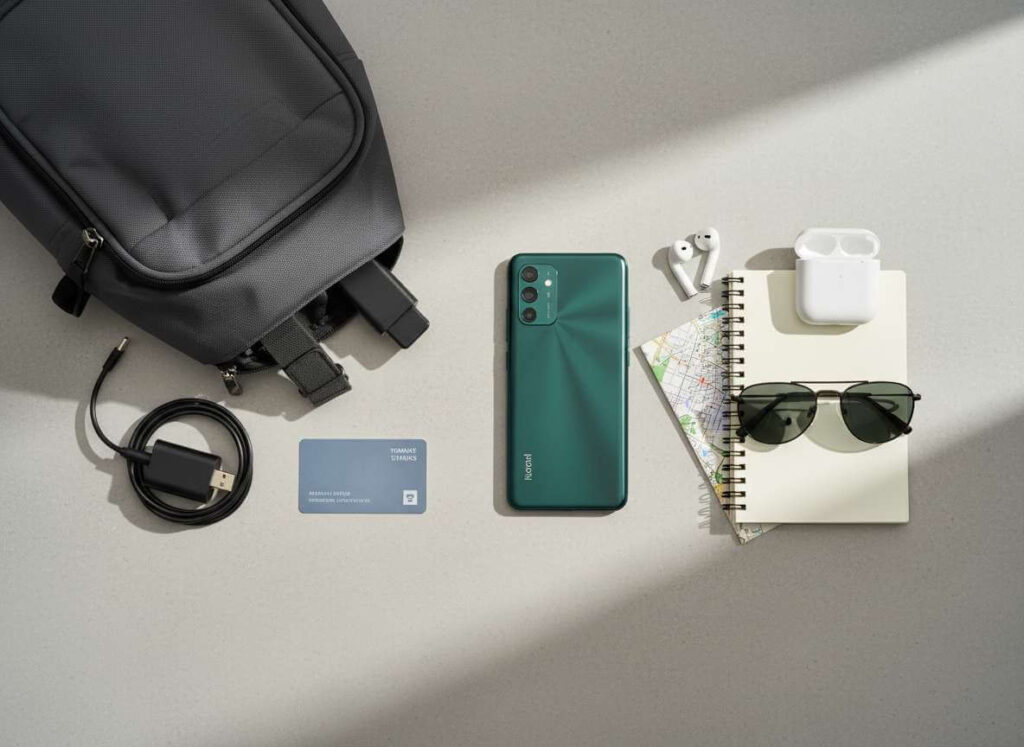
Buy the Redmi Note 17 Pro Max if you want a large Android phone that survives heavy days without battery stress. It fits commuters, travelers, media fans, remote workers who rely on messaging and maps, and users who shoot plenty of daylight photos or short video clips.
Skip it if a light, compact design matters most, or if you need a zoom camera, top-tier gaming output, or clean stock Android-style software. Xiaomi’s feature-heavy approach is useful after setup, but it will not suit everyone.
FAQ: Xiaomi Redmi Note 17 Pro Max
Q1: Is the Xiaomi Redmi Note 17 Pro Max worth buying?
The Redmi Note 17 Pro Max is worth considering if your priorities are long battery life, a large AMOLED display, fast charging, durable construction, and reliable everyday performance. It is less suitable if you want a compact phone, flagship-level gaming, a dedicated telephoto camera, or a clean stock Android interface.
Q2: How good is the Redmi Note 17 Pro Max battery life?
Battery life is the phone’s strongest feature. Xiaomi advertises up to three days of use under its test conditions, while real-world endurance depends on brightness, mobile signal, gaming, navigation, camera use, and background applications. For mixed work, messaging, navigation, media, and photography, two days should be a realistic target for many users.
Q3: Does the Redmi Note 17 Pro Max have a 10,000mAh battery?
The global model is advertised with a 10,000mAh silicon-carbon battery. However, some regional versions, including certain European-market models, are listed with a 9,210mAh battery. Check the exact regional model and official specifications before buying.
Q4: How fast does the Redmi Note 17 Pro Max charge?
The phone supports 100W wired HyperCharge. Xiaomi says Boost Mode can provide a full day of power in about 20 minutes under its test conditions, but actual charging speed depends on the charger, cable, temperature, battery level, and regional bundle. A compatible PPS adapter may be needed to achieve the maximum charging speed.
Q5: Can the Redmi Note 17 Pro Max charge other devices?
Yes. The phone supports wired reverse charging, allowing it to act as a power bank for accessories such as wireless earbuds or another phone. Xiaomi lists up to 27W wired reverse charging for the global model, although regional specifications may differ.
Q6: Does the Redmi Note 17 Pro Max have a good display?
Yes. It has a large 6.83-inch 1.5K AMOLED display with a refresh rate of up to 120Hz. The screen is well suited to reading, video streaming, maps, multitasking, and browsing, with smooth scrolling and strong contrast. Its size is an advantage for media and work, but it also contributes to the phone’s broad and heavy feel.
Q7: Is the Redmi Note 17 Pro Max good for gaming?
The Snapdragon 6 Gen 5 provides smooth performance for everyday use and casual gaming, but this is not a flagship gaming phone. Demanding games may require reduced graphics settings to maintain consistent frame rates during longer sessions. Buyers who prioritize gaming should compare sustained performance with Poco and higher-tier Xiaomi phones before choosing.
Q8: How good are the Redmi Note 17 Pro Max cameras?
The 50MP main camera with optical image stabilization is the strongest camera. It can produce detailed, well-exposed daylight photos and handles ordinary indoor scenes reasonably well. The 8MP ultrawide camera is more limited, especially in low light, and the phone does not include a dedicated telephoto lens.
Q9: Does the Redmi Note 17 Pro Max record 4K video?
Yes. The rear and front cameras support 4K video recording at 30 frames per second, alongside 1080p recording at 30fps and 60fps. Daylight footage is generally the strongest, while night video becomes softer and less detailed.
Q10: Does the Redmi Note 17 Pro Max have AI photo-editing tools?
Yes. Xiaomi includes tools such as AI Erase Pro, AI Glare Removal, AI Image Expansion, AI Sky, AI Bokeh, AI Cutouts, AI Image Enhancement, AI Beautify, and AI Film. Results are most convincing when removing distractions from simple backgrounds; complex edges and patterned scenes can produce visible artifacts. Availability may vary by region, software version, and internet connection.
Q11: Does the Redmi Note 17 Pro Max use HyperOS 3?
Yes. The phone runs Xiaomi HyperOS 3 and supports features such as Google Gemini and Circle to Search in supported markets. The software is fast and customizable, but buyers may encounter preinstalled applications, duplicate app choices, and promotional notifications. Spending time reviewing notifications, permissions, and unwanted apps improves the experience.
Q12: Is the Redmi Note 17 Pro Max waterproof?
The phone has high dust and water-resistance ratings, including IP66 and IP68, with Xiaomi also listing IP69 and IP69K protection for the global model. These ratings are based on controlled tests and should not be treated as a guarantee for swimming, underwater photography, or deliberate exposure to water. Protection can also weaken through normal wear or physical damage.
Q13: Is the Redmi Note 17 Pro Max comfortable to use with one hand?
Not particularly. The phone weighs about 229.5g and is 78.27mm wide in the global specification, making it noticeably larger and heavier than compact alternatives. One-handed typing can feel awkward, although Xiaomi’s one-hand mode helps.
Q14: Which Redmi Note 17 Pro Max storage option should I buy?
The 256GB model is the most sensible choice for many buyers. The 128GB version may fill quickly if you record 4K video, download offline media, install large games, or keep years of photos on the phone. Xiaomi lists storage options up to 512GB, with storage technology varying by capacity and market. Check the local specification page before ordering.
Q15: Does the Redmi Note 17 Pro Max support eSIM?
eSIM and connectivity support can vary by market and model variant. Check the official specifications for your country and confirm compatibility with your mobile operator before buying, particularly if you need dual SIM or eSIM functionality.
Q16: Who should buy the Redmi Note 17 Pro Max?
The phone is a good fit for:
- Travelers and commuters who dislike carrying a charger.
- Remote workers who rely on messaging, maps, email, and browser-based tools.
- Media fans who want a large AMOLED screen.
- Users who prefer endurance and fast charging over a thin, lightweight design.
- Buyers who mainly take daylight photos and do not need optical zoom.
Q17: Who should skip the Redmi Note 17 Pro Max?
Consider another phone if you need:
- A light and compact design.
- Flagship-level gaming performance.
- A dedicated telephoto camera.
- Consistently strong ultrawide and night photography.
- Minimal software clutter or a stock Android experience.
- Identical battery capacity and charger contents in every market.
Xiaomi Redmi Note 17 Pro Max Review – Final Verdict
My Xiaomi Redmi Note 17 Pro Max Review after a month comes down to this: Xiaomi has produced a very practical phone whose battery changes everyday behavior. I reached for it without checking the charge level, watched media on a screen that felt comfortably large, and used its primary camera and AI editing tools far more than expected.
The camera system is not class-leading, the weight will divide opinion, and HyperOS 3 still needs cleanup after first boot. Yet buyers who want long battery life, a vivid display, tough hardware, useful AI photo editing, and fast charging should place this phone high on their shortlist. Check the local variant, storage capacity, charger bundle, supported network bands, and AI-feature availability before ordering, as Xiaomi notes that some features and connectivity options vary by market.