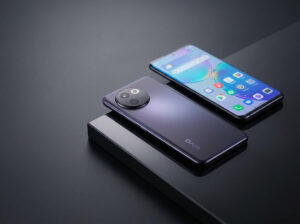
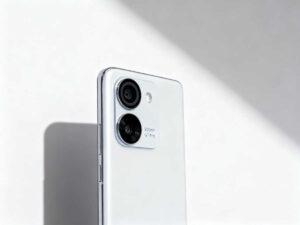
This vivo X500 Pro Max review tackles a familiar dilemma: a phone can deliver beautiful portraits and still frustrate you every time you slip it into a pocket. Vivo pairs ambitious camera hardware and a huge display with a price that demands careful scrutiny. I’ll weigh its strengths against its everyday drawbacks to help you decide whether it deserves a place in your pocket—and fits your budget.
Its strongest argument is photography. A 200MP telephoto camera, 50MP primary sensor, and advanced video controls create a versatile shooting package. Yet aggressive photo processing, unwanted software, and a bulky camera module complicate that appeal, according to Digital Camera World’s detailed review.
My buying verdict is straightforward: I would shortlist this phone for portraits, telephoto macro, and video production. I would hesitate at full European pricing if camera use amounted to occasional holiday snapshots.
Battery capacity deserves special attention, too. European buyers do not receive exactly the same battery specification as buyers elsewhere. That distinction matters much sooner than another headline about megapixels, as shown in GSMArena’s regional specifications.
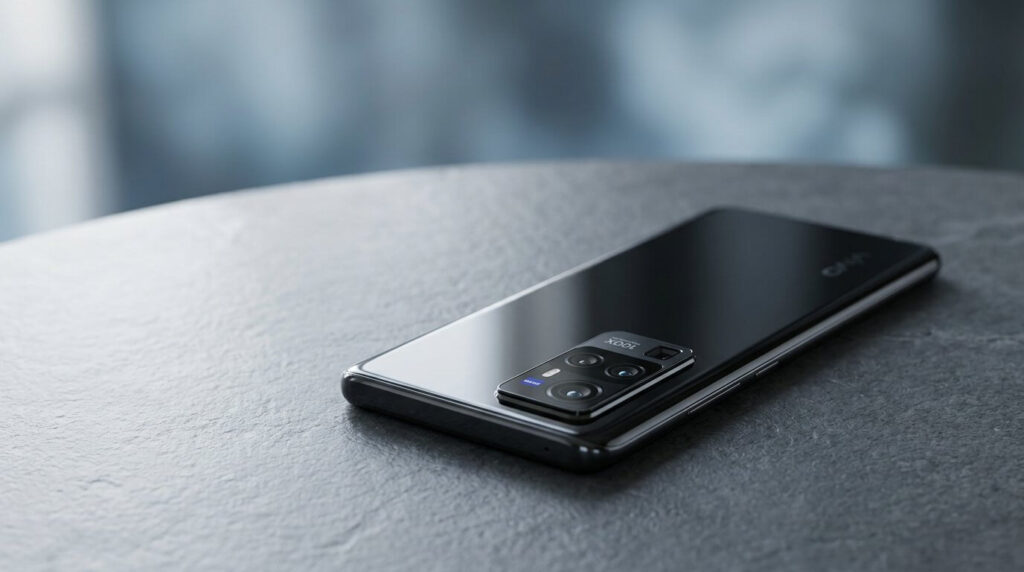
Table of Contents
vivo X500 Pro Max Specifications at a Glance
According to GSMArena’s specification listing, regional versions differ, especially regarding battery capacity and memory configurations. Check a seller’s exact model rather than treating every X500 Pro Max listing as interchangeable.
| Feature | vivo X500 Pro Max |
|---|---|
| Display | 6.85-inch LTPO AMOLED, 3168 × 1440, up to 144Hz |
| Processor | MediaTek Dimensity 9600 Pro |
| Rear cameras | 50MP primary, 200MP 3.5x telephoto, 50MP ultrawide |
| Selfie camera | 50MP, autofocus |
| Battery | 6,750mAh Europe; 7,800mAh global; 8,000mAh China |
| Charging | 90W wired; 40W wireless |
| Software | OriginOS 7, Android 17 |
| Storage | 256GB, 512GB, or 1TB; market-dependent |
| Weight | 225–229g |
| European starting price | €1,599, 12GB/256GB |
Specifications and regional distinctions above follow GSMArena; European pricing matches Gadgets 360’s global launch report.
First-Day Perspective: Promising, Not a Long-Term Verdict
A day of use can support useful observations about grip, camera controls, app behavior, and personal preferences. Battery aging, update reliability, and prolonged gaming stability require a different level of evidence.
My evaluation places camera flexibility ahead of headline resolution. I care about whether a phone offers useful focal lengths, consistent colors, and controls worth learning. Published testing supports those strengths here, especially across primary and telephoto cameras.
That still does not justify presenting another reviewer’s results as my own. A credible first-day review should separate personal observations, manufacturer specifications, and independently reported findings.
Camera Review: Telephoto Photography Justifies Attention
Portraits and Macro Are Strong Selling Points
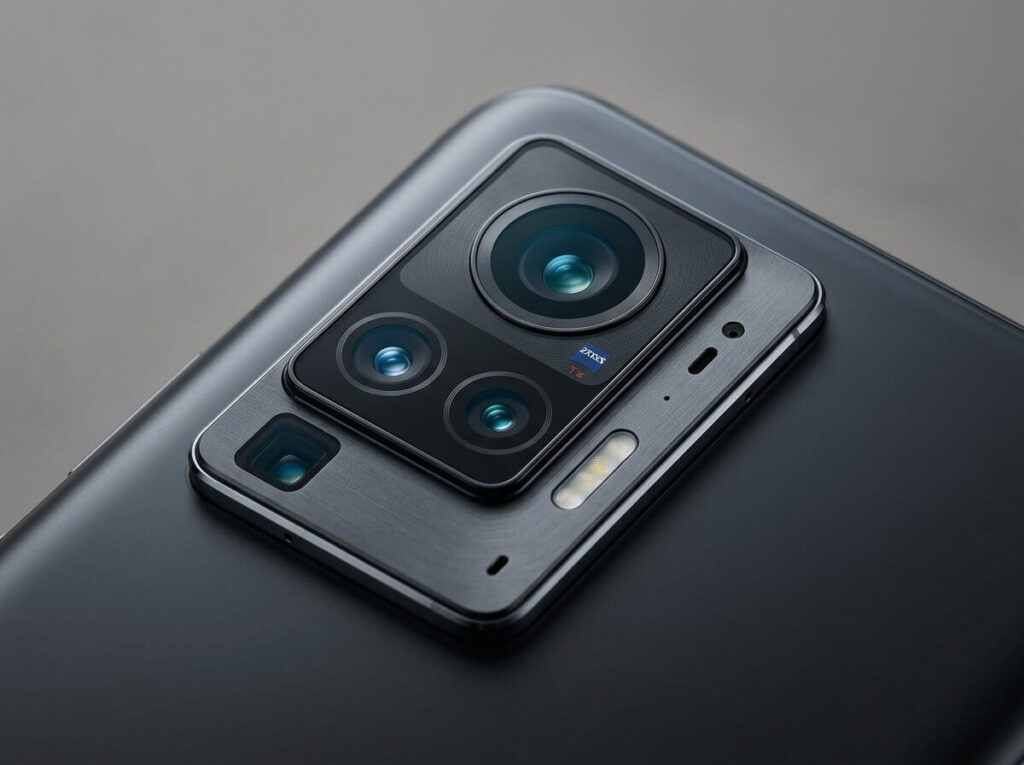
Vivo pairs its 200MP telephoto sensor with an approximately 85mm-equivalent lens and optical stabilization. Digital Camera World praised telephoto detail, portraits, and close-up photography, identifying this camera as a central strength.
My preference would be to spend most shooting time around that native telephoto view rather than chase extreme digital magnification. Portraits, architectural details, flowers, and small objects provide practical reasons to choose this hardware.
Telephoto macro deserves attention beyond its novelty. Digital Camera World reports that its longer working distance helps avoid crowding tiny subjects or casting a phone-shaped shadow across them. That sounds useful for photographing plants, insects, collectibles, or food details.
If telephoto photography tops your shopping list, my Realme GT 8 Pro camera review offers another perspective on choosing a phone for zoom rather than megapixel counts alone.
Zoom still has limits. That review found attractive results around 10x, followed by increasingly artificial textures at greater magnification. I would judge sample photos at full size before trusting distant lettering, foliage, or hair rendered through heavy computational processing.
Primary Camera: Strong Hardware, Noticeable Processing
A 50MP Sony LYTIA L910 sensor sits at approximately 24mm equivalent. Its LOFIC technology manages excess light at pixel level, helping preserve bright areas during high-contrast photography, according to Digital Camera World’s camera analysis.
Useful technology does not guarantee a photographic style everyone likes.
Digital Camera World reported attractive colors and strong detail, but criticized excessive sharpening, lifted shadows, occasional cyan skies, and intermittent autofocus hesitation during lens changes. Its reviewer did not find a decisive high-contrast advantage over vivo’s preceding Ultra model.
My preference favors believable contrast rather than shadows brightened until a night scene resembles dusk. I would try ZEISS Natural Color and Raw Lighting modes before accepting default processing; both receive discussion in that review.
These criticisms do not cancel excellent hardware. They explain why sample galleries matter: two expensive camera phones can record plenty of detail yet produce different moods.
Ultrawide and Selfie Cameras
A 50MP ultrawide covers approximately 15mm equivalent, accompanied by a 50MP autofocus selfie camera. Published testing describes pleasing ultrawide detail and consistent color, though its sensor is smaller than vivo X300 Ultra’s ultrawide sensor.
I would treat those cameras as useful supporting tools rather than buy this phone for megapixel symmetry. Landscape edges, indoor group shots, and close-range faces deserve inspection before any confident judgment about personal image quality.
Watch: Camera Samples and Comparisons
Polza Net’s review provides another perspective through daylight, nighttime, and video comparisons. The player below starts at the listed daylight comparison chapter. These are the creator’s results, not my own test images, and they do not establish performance for every regional version or firmware release. Narration is in Russian; check the player for available subtitles.
Video Review: Serious Tools, Extra Editing Work
Vivo offers 4K recording at up to 240fps, plus Log recording and manual controls. Digital Camera World found its high-frame-rate footage usable and stabilization excellent.
That capability appeals to me for short creative clips: splashing water, pets running, guitar strings moving, or sports practice. Slow motion provides a practical creative benefit when lighting cooperates.
Lighting remains a constraint. Published testing found weaker fine detail and contrast during darker 4K/240fps recording. Its stronger stabilization mode drops resolution to 2.7K, another trade-off worth checking before a shoot.
Log recording suits users willing to adjust footage afterward. Default LUTs—preset color conversions for Log footage—received criticism for weak contrast and unwanted color shifts. Custom LUT imports offer an alternative, but require effort.

My verdict: a strong video toolkit for enthusiasts who edit. Casual shooters should judge standard video output first rather than pay extra for controls they will ignore.
Battery Review: Regional Capacity Changes Everything
Europe Gets a Smaller Battery
Battery specifications vary:
- Europe: 6,750mAh.
- Global model: 7,800mAh.
- China: 8,000mAh.
These regional capacities follow GSMArena’s specification listing.
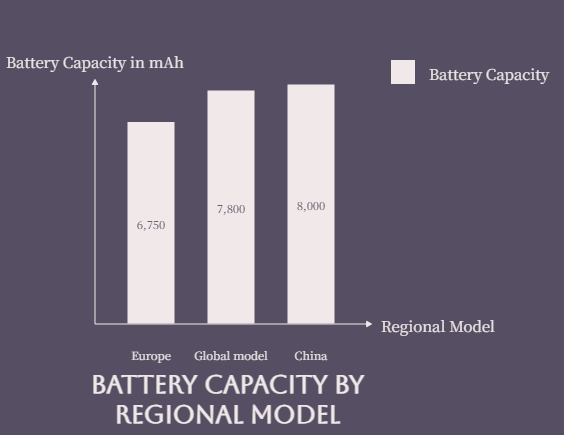
That is not a minor footnote. A review based on a different regional unit cannot establish your exact runtime.
Digital Camera World reported roughly a day to two days during moderate use and a full day during heavier camera activity. Those are that reviewer’s observations, not measurements from your own testing.
My buying rule would be to confirm battery capacity before payment, then seek endurance testing for that exact version. A lower-priced import needs scrutiny rather than an automatic recommendation.
If battery endurance matters more to you than telephoto versatility, my Xiaomi Redmi Note 17 Pro Max review looks at the trade-offs of choosing a battery-focused phone.
Fast Charging Is Useful, Not a Runtime Guarantee
Reported charging support reaches 90W wired and 40W wireless. Compatible equipment matters; a wattage specification does not establish a complete charging time.
I like fast charging for brief top-ups before leaving home. Still, I would prefer dependable daily endurance over a dramatic charging headline.
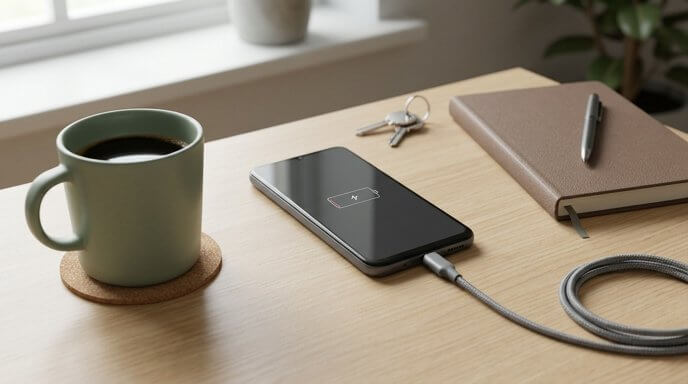
Your first-day battery paragraph should name starting charge, ending charge, camera use, navigation, gaming, and network conditions. Without those details, “lasted all day” says little.
Hardware and Display: Excellent Scope, Bulky Execution
A 6.85-inch LTPO AMOLED panel offers 3168 × 1440 resolution and an adaptive refresh rate up to 144Hz. Digital Camera World praised sharpness, color rendering, and outdoor visibility.
I value that space for framing photos and checking focus. Anyone accustomed to a compact handset should consider pocket comfort just as carefully.
Vivo lists a Dimensity 9600 Pro processor, UFS 4.1 storage, and memory options that vary across markets, as detailed in GSMArena’s specifications. Published everyday testing described smooth animations, quick app launches, and responsive multitasking.
Those findings support confidence about daily speed—not an automatic victory across every game or prolonged workload. I would reserve claims about sustained frame rates and heat for measured testing.
Physical compromises are easier to identify. Weight reaches 225–229g, and Digital Camera World criticized a large, abrupt camera bump that caught during pocket use. Its reviewer reported accidental fingers and fingerprints near camera lenses, too.
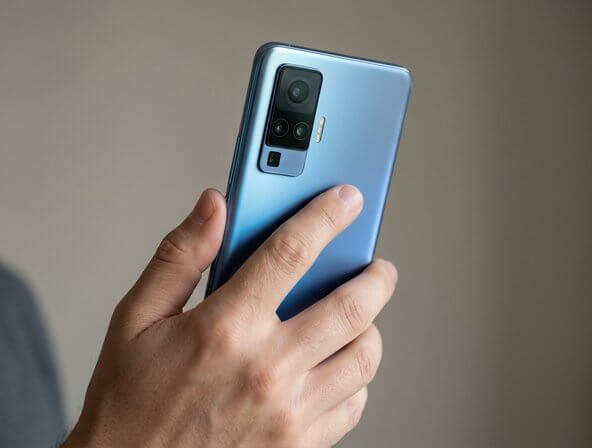
My preference is practical: test grip using a protective case before buying. Excellent optics do not erase awkward handling.
Watch: Design and Camera Accessories
For a closer look at the exterior and accessory setup, Tech Cave’s first-look video shows the camera housing, grip, teleconverter attachments, and detachable screen. Treat this as an unboxing reference rather than evidence of camera quality or battery endurance. Check your seller’s listing for the contents of your particular package.
OriginOS 7: Flexible Software, Unwanted Extras
OriginOS 7 runs on Android 17. Digital Camera World described smooth operation and plentiful customization, then criticized unwanted apps and regional oddities, including theme-store currency behavior on its review unit.
I dislike paying premium prices for software clutter. A phone at this level should not require an immediate cleanup session.
That criticism needs regional care. A review unit’s app selection or store behavior may not match every retail version. Buyers should inspect local firmware rather than assume identical behavior everywhere.
GSMArena lists up to five major Android upgrades. Samsung’s competing Galaxy S26 series launched with a seven-year update commitment, giving long-term owners another comparison point.
Before purchasing an import, I would verify carrier compatibility, warranty coverage, payment support, and firmware region directly with seller documentation.
vivo X500 Pro Max vs Samsung Galaxy S26 Ultra
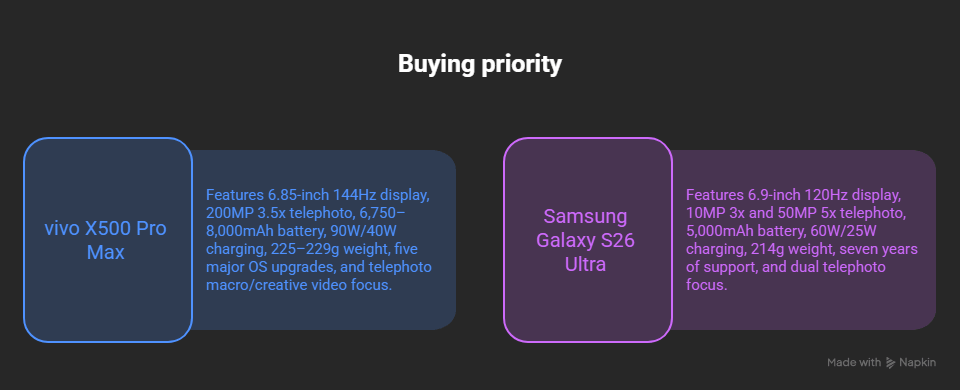
Samsung Galaxy S26 Ultra provides a relevant premium Android comparison. Its official specifications list a 6.9-inch display, 120Hz refresh rate, 5,000mAh battery, and 214g weight.
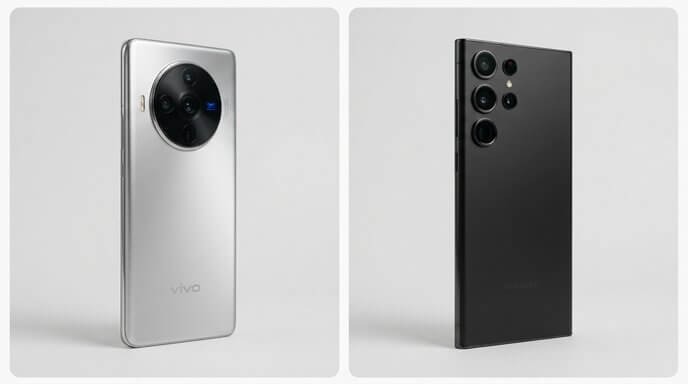
| Buying priority | vivo X500 Pro Max | Samsung Galaxy S26 Ultra |
|---|---|---|
| Display | 6.85-inch, up to 144Hz | 6.9-inch, up to 120Hz |
| Telephoto arrangement | 200MP, 3.5x optical | 10MP 3x plus 50MP 5x |
| Battery capacity | 6,750–8,000mAh, regional | 5,000mAh |
| Charging | 90W wired, 40W wireless | 60W wired, 25W wireless |
| Weight | 225–229g | 214g |
| Update commitment | Up to five major OS upgrades | Seven years |
| My shortlist rationale | Telephoto macro and creative video | Lower weight, dual telephotos, longer support |
Hardware and support comparisons follow GSMArena’s listings for the vivo X500 Pro Max and Samsung Galaxy S26 Ultra, Samsung’s official specifications, and WIRED’s launch coverage. Capacity and charging ratings alone do not establish equal-condition endurance or charging-time victories.
Which Would I Choose?
For telephoto macro and creative slow-motion work, I would favor vivo’s package. That preference follows its feature set and published camera testing, not a personal head-to-head shootout.
For lower weight and longer stated support, I would favor Samsung. Those advantages remain useful after novelty fades.
A universal camera winner needs matched scenes, identical conditions, and direct inspection. My practical answer is narrower: vivo suits camera enthusiasts attracted to its particular tools; Samsung deserves priority when support duration and carrying comfort dominate.
If you prefer Samsung but do not need an Ultra model, read my Samsung Galaxy S25 FE overview for another option to consider.
vivo X500 Pro Max Review: Is It Worth the Price?
Reported European pricing starts at €1,599 for 12GB/256GB, rises to €1,799 for 12GB/512GB, and reaches €2,199 for 12GB/1TB. Availability can differ locally.
I would consider those prices justified for someone regularly shooting portraits, macro subjects, or edited video. A flexible camera kit can earn its place when used deliberately.
For messaging, streaming, maps, and occasional photos, I would spend less. This recommendation concerns value, not whether vivo can perform ordinary tasks.
If you prefer a less expensive vivo phone, my vivo V70 FE review examines a different balance of battery life, camera features, and everyday compromises.
Storage requires restraint, too. I would price a 512GB version for frequent video recording, then compare that premium against a workable backup routine. Buying maximum storage automatically is an expensive habit.
Frequently Asked Questions
Will vivo Release an X500 Ultra?
Reporting points toward an X500 Ultra China launch during March or April 2027. GSMArena’s Ultra report cites a vivo executive regarding that window; wider international availability remains less certain.
My advice: wait if an Ultra is your real target. Do not buy Pro Max assuming rumored Ultra specifications are settled. Reports disagree about camera details, as reflected in Gadgets 360’s tipped specifications and GSMArena’s launch reporting.
How Much Does vivo X500 Pro Max Cost?
European pricing reportedly starts at €1,599 for 12GB/256GB. Storage upgrades cost €1,799 and €2,199 for listed 512GB and 1TB configurations. Check local taxes, warranty terms, and current offers before comparing imports.
Are vivo Phones Worth Buying?
Yes, for buyers whose priorities match a particular model. X500 Pro Max deserves attention for telephoto macro and video flexibility, but published testing identifies processing quirks and software clutter. I would judge camera samples and local support—not brand reputation alone.
Samsung Galaxy S24 or vivo X200: Which Would I Pick?
For a larger screen and battery capacity, I would pick X200: vivo’s specifications list a 6.67-inch display, Dimensity 9400, 5,800mAh battery, and 90W charging.
For compact handling and wireless charging, I would pick Galaxy S24. Samsung lists a 6.2-inch display and 4,000mAh battery, plus wireless charging support. Its seven-year support commitment adds appeal for long ownership.
My default choice favors X200 for battery-focused buyers; S24 wins my compact-phone recommendation. Current local prices could change that judgment.
Verdict: Buy for Camera Tools, Not Status
Vivo X500 Pro Max earns attention through telephoto versatility, macro photography, and ambitious video controls. Its drawbacks are tangible: costly European pricing, plus bulky camera hardware, processing preferences that divide opinion, and software extras that weaken a premium experience.
I would shortlist it for a photography-centered purchase, not recommend it indiscriminately.
Before ordering, compare full-resolution photo samples, confirm regional battery capacity, and handle a display unit. Then choose according to subjects you photograph and features you will use—not whichever specification sounds largest.