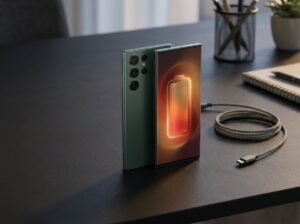
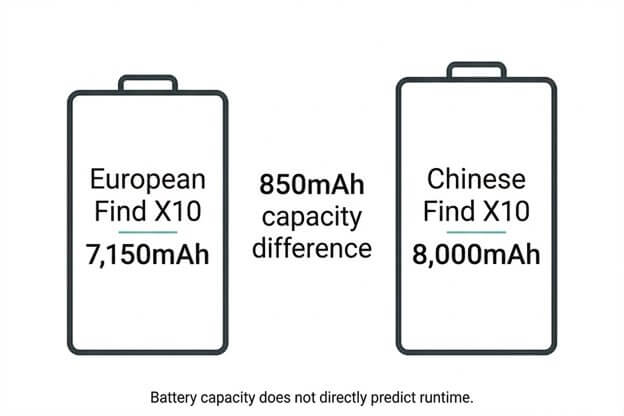
A flagship phone can look like an easy recommendation until regional specifications complicate your purchase. Oppo Find X10 is a good example: European buyers receive a 7,150mAh battery, compared against 8,000mAh across China and several other markets. Battery test results from the 8,000mAh version do not necessarily reflect how long the European model lasts.
Battery capacity is just part of this decision. Camera quality, charging, sustained gaming performance and outdoor screen visibility deserve equal attention. A discounted Find X9 Ultra adds another question: does buying a newer standard flagship offer better value than choosing an older Ultra?
This Oppo Find X10 review separates confirmed specifications, independent measurements and unresolved concerns to help you decide.
Review methodology: this is a research-based review using official Oppo specifications and attributed independent testing, not a claim of hands-on testing from TechInDeep. Price references reflect research dated November 4, 2026. Regional configurations, software updates and offers require checking before purchase.
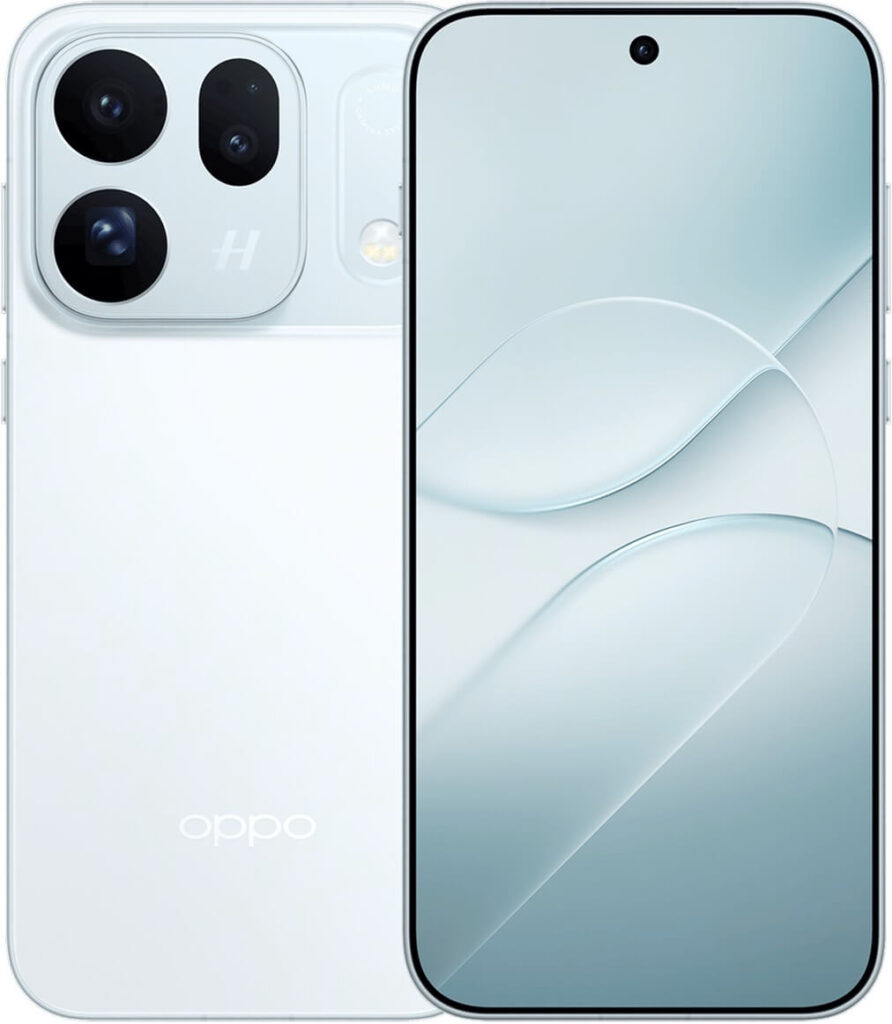
Table of Contents
Oppo Find X10 Review: Quick Verdict for European Buyers
Find X10 deserves a shortlist for telephoto photography, selfies and a relatively manageable 6.59-inch screen. Its camera system offers practical benefits beyond megapixel counts, and ColorOS provides plenty of flexibility.
Reservations concern value. Europe receives a smaller battery than several other markets, independent endurance cited here belongs to an 8,000mAh unit, and published testing identifies sustained-performance reductions plus low-light video problems.
My buying judgment: consider a discounted European unit for photography and everyday use. Compare alternatives carefully for competitive gaming, nighttime recording or maximum hardware value. A Find X9 owner should identify a specific camera or display need before upgrading.
Oppo Find X10 Specifications
- Build: glass front and back, aluminium frame; reported dimensions of 156.5 × 74.3 × 8.4mm. Cited weight records differ at approximately 216–219g, so confirm your local specification.
- Protection: Oppo lists IP66, IP68 and IP69 dust and water resistance.
- Display: 6.59-inch LTPO AMOLED, 2768 × 1272 pixels, approximately 462ppi; adaptive refresh rate reaching 120Hz during everyday operation and 144Hz in supported games.
- HDR: Dolby Vision, HDR10, HDR10+ and HDR Vivid support.
- Chipset: MediaTek Dimensity 9600M.
- Memory: reviewed global configurations include 12GB RAM and 256GB or 512GB UFS 4.1 storage. Other configurations depend on the market.
- Software: Android 17 and ColorOS 17.
- Rear cameras: 200MP primary camera, 200MP 2.8× telephoto and 50MP autofocus ultrawide.
- Front camera: 50MP autofocus camera.
- Video: up to 4K60 across all four cameras; primary and telephoto cameras support up to 4K120 and 8K30.
- Battery: 7,150mAh typical capacity for Europe; 8,000mAh for China and several other markets.
- Charging: up to 80W wired, 50W wireless and 10W reverse wireless.
Specifications are drawn from Oppo’s product information and GSMArena’s software and hardware review. Confirm storage, connectivity, accessories and exact model details for your country.
Oppo Find X10 Europe vs China: Battery Differences Explained
European and Chinese Battery Capacities Compared
Oppo’s official Find X10 specifications confirm different regional capacities. Its battery and charging guide supplies rated capacities and manufacturer endurance estimates.
| Battery detail | European Find X10 | Chinese / non-European Find X10 |
|---|---|---|
| Typical capacity | 7,150mAh | 8,000mAh |
| Rated capacity | 6,960mAh | 7,770mAh |
| Oppo YouTube laboratory result | 25.4 hours | 27.7 hours |
| Oppo PUBG Mobile 120fps laboratory result | 7.2 hours | 8.1 hours |
figures are manufacturer laboratory results, not independent testing
or guaranteed personal runtimes.
Europe loses 850mAh, approximately 10.6% of larger-battery capacity. That percentage does not establish an identical runtime reduction. Reception, brightness, workload and software affect battery consumption.
Exact regional model identifiers were not verified during this research. Request your seller’s SKU and written battery specification rather than relying on “global version” wording.
Why Does Europe Get a Smaller Battery?
Available evidence confirms different capacities but does not establish a definitive explanation for Oppo’s decision.
Oppo discusses regional battery construction differences. That does not prove claims blaming EU regulations, transport restrictions or certification. Without an authoritative explanation, assigning a specific cause would be speculation.
Is Importing a Chinese Version Worthwhile?
An extra 850mAh is attractive, but import value depends on delivered cost, software region, network compatibility and warranty.
Ask sellers to confirm those details for their exact unit. Compare final prices after applicable charges, check Google-service compatibility and establish who handles repairs. A domestic Chinese price converted into euros cannot settle ownership costs abroad.
My preference would be clear local support unless an imported model’s verified advantages justify the extra complications.
Design and Handling: Smaller Than an Ultra, Not Lightweight
Flat glass, an aluminium frame and sculpted camera housing give Find X10 a restrained appearance. Matte surfaces resist fingerprints, although GSMArena’s handling assessment describes a slippery finish.
Reported dimensions are 156.5 × 74.3 × 8.4mm. Weight differs between cited records at approximately 216–219g, so exact local specifications deserve checking.
A 6.59-inch display offers manageable width compared against larger flagships. Long reading sessions and pocket comfort still depend on weight, thickness and case choice. This is a smaller full-featured flagship, not a lightweight compact.
If smaller dimensions are your priority, check the Oppo Find X8s specifications before narrowing your shortlist.
For an earlier reference from Oppo’s camera-focused lineup, compare the Oppo Find X8 Ultra specifications.
My Design Complaint: Camera Housing
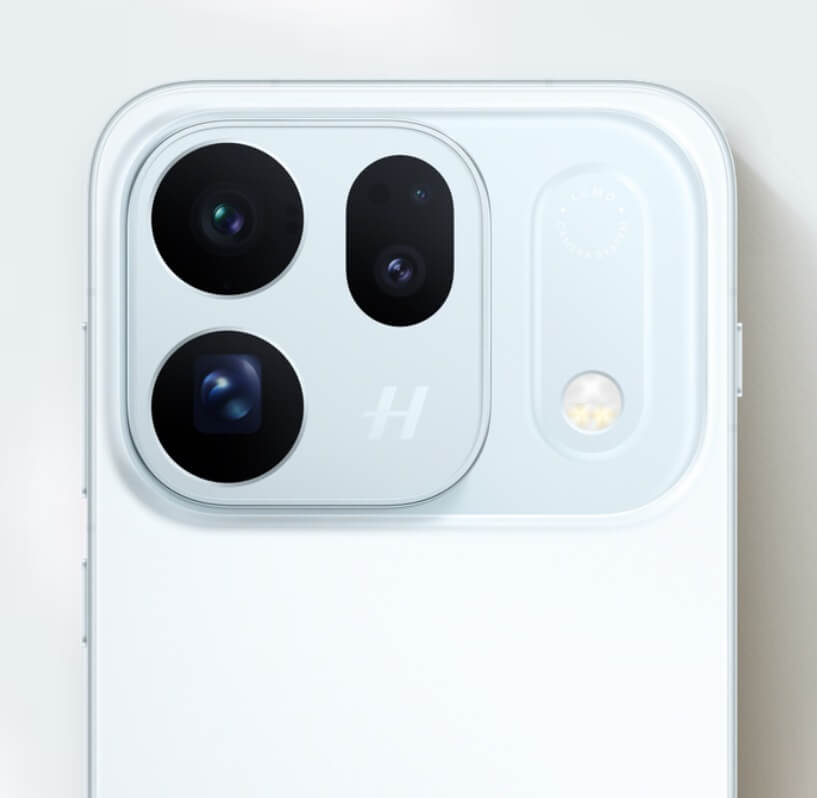
My least favourite part of the Oppo Find X10 design is its large camera housing. I prefer a cleaner rear panel, and the two-tier module draws too much attention for my taste. That is a visual preference rather than a complaint about photo quality, but design still matters on a phone at this price.
Protection and Fingerprint Unlocking
Oppo lists IP66, IP68 and IP69 protection. Those ratings provide reassurance against accidents, not permission for careless water exposure. Resistance can decline through wear, and Oppo advises against charging a damp phone.
Fingerprint technology needs clarification: Oppo describes ultrasonic hardware, but GSMArena describes an optical scanner. Confirm your regional specification before treating either description as universal.
Display Review: Brightness Claims Need Context
Measured Brightness vs Advertised Peak
Find X10 uses a 6.59-inch LTPO AMOLED panel at 2768 × 1272 resolution. Its most useful display distinction is not simply a high advertised brightness number, but how output changes across apps and content.
During GSMArena’s display testing, ordinary automatic brightness reached 1,028 nits using a large white patch. Opening equivalent material through Photos produced 2,314 nits. A smaller HDR highlight reached 3,443 nits.
Find X9 Pro reached 1,803 nits during large-area Gallery testing, below Find X10’s result. Ordinary automatic brightness reverses that comparison: X9 Pro reached 1,175 nits against Find X10’s 1,028.
My takeaway: excellent HDR brightness does not guarantee superior visibility across every outdoor app. Compare matching test conditions, not unrelated headline peaks.
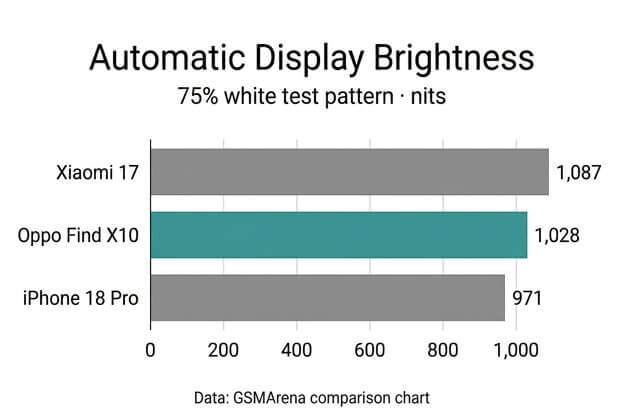
| Phone | Automatic brightness, 75% white pattern | Screen size | Display technology | Resolution |
|---|---|---|---|---|
| Xiaomi 17 | 1,087 nits | 6.3 inches | LTPO OLED | 1220 × 2656 pixels |
| Oppo Find X10 | 1,028 nits | 6.59 inches | LTPO AMOLED | 1272 × 2768 pixels |
| iPhone 18 Pro | 971 nits | 6.3 inches | LTPO Super Retina XDR OLED | 1206 × 2622 pixels |
test pattern covering 75% of the screen. Higher values mean greater
measured brightness under these conditions, not higher small-area
peak HDR brightness.
Refresh Rate, HDR and Streaming
Everyday operation reaches 120Hz, dropping toward 1Hz when idle. Selected games support 144Hz; some apps default to 90Hz unless adjusted.
Dolby Vision, HDR10, HDR10+ and HDR Vivid support provide broad compatibility. GSMArena reports Netflix recognising HDR capabilities, making streaming a strong part of this display’s appeal.
Treat Find X10 as an adaptive 120Hz phone plus selected 144Hz gaming support. Panel refresh rate and achieved game frame rate are separate measurements.
Does the Screen Dim When Hot?
Automatic brightness, app-dependent output, timed high-brightness operation and thermal dimming describe different behaviours.
App-dependent brightness is documented. Controlled evidence establishing heat-triggered gaming dimming was not available through this research. Stress-test throttling alone cannot prove a screen-brightness defect.
Battery Life and Charging: Check Which Version Was Tested
8,000mAh Battery Test Results Compared
Find X10 leads the comparison below with an Active Use Score of 25 hours and 21 minutes—2 hours and 14 minutes ahead of OnePlus 15 and 8 hours and 58 minutes ahead of Samsung Galaxy S26 Ultra.
Its tested endurance exceeds both rivals across calls, browsing, video playback and gaming. These results apply to the 8,000mAh version, not Europe’s smaller-battery model.
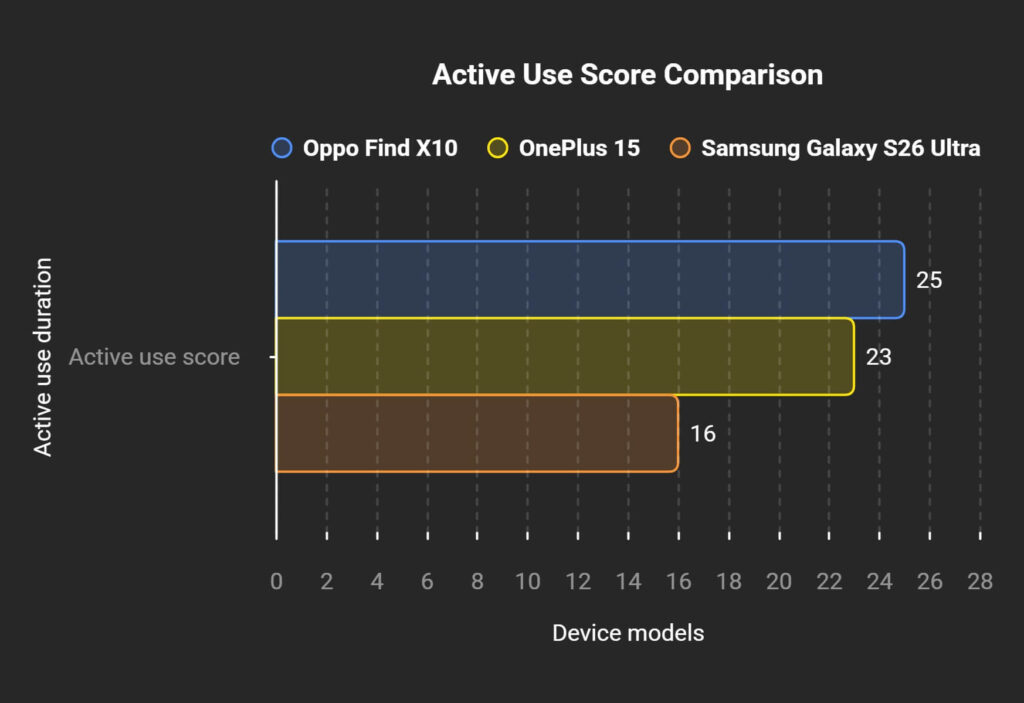
| Phone | Battery capacity | Active Use Score | Calls | Web browsing | Video playback | Gaming |
|---|---|---|---|---|---|---|
| Oppo Find X10 | 8,000mAh | 25h 21m | 43h 30m | 24h 54m | 35h 32m | 13h 56m |
| Samsung Galaxy S26 Ultra | 5,000mAh | 16h 23m | 37h 44m | 13h 01m | 24h 48m | 9h 42m |
| OnePlus 15 | 7,300mAh | 23h 07m | 39h 12m | 21h 48m | 32h 57m | 13h 05m |
rating, not continuous screen-on time. Individual workloads use
separate controlled tests.
Source: GSMArena’s Find X10 battery evaluation.
For another Oppo reference, Find X9 Pro scored 21h 57m under GSMArena’s Active Use procedure. A comparable Find X9 Ultra endurance result was not verified for this article.
For another large-battery option, read our vivo V70 FE review. Its 7,000mAh capacity alone does not establish equivalent endurance.
What Can European Buyers Expect?
Oppo’s manufacturer estimates suggest reduced endurance versus larger-battery models, but an independently tested European unit remains preferable for a firm local verdict.
Do not translate a mixed-workload score into guaranteed personal screen-on time or assume a fixed number of days between charges.
Wired and Wireless Charging Times
Find X10 supports up to 80W wired, 50W wireless and 10W reverse wireless charging. GSMArena used an 80W charger and cable on its 8,000mAh unit, recording 29% after 15 minutes, 51% after 30 minutes and full charge after 70 minutes.
Under that publication’s comparison procedure, Find X9 Pro needed 67 minutes and OnePlus 15 needed 41 minutes. Excellent endurance does not mean class-leading refill time.
Oppo’s European laboratory records give different endpoints: 74 minutes until displayed 100%, followed by completed wired charging at 82 minutes. Wireless results are 103 and 112 minutes respectively.
Different conditions and endpoints prevent merging manufacturer timings into independent results. Before ordering, confirm charger inclusion; accessories belong within your price comparison.
Software and Performance: Fast, but Not a Dramatic Upgrade
ColorOS, Android and Update Support
Find X10 ships running Android 17 and ColorOS 17. GSMArena’s software review reports five major OS upgrades and six years of security patches.
Split-screen multitasking, Smart Sidebar, interface customisation and a remappable Snap Key offer practical flexibility. AI features require closer checking: availability, supported languages, account requirements and free-use allowances can vary.
A feature advertised globally should not influence your purchase until local availability is confirmed.
ColorOS 17: Pros and Cons
ColorOS 17 offers extensive customisation and useful multitasking tools, but regional software differences and background-app settings deserve attention. Here are its practical strengths and drawbacks on the Oppo Find X10.
| Pros | Cons |
|---|---|
| Smooth everyday operation: reviewers praise responsive navigation, fluid animations and quick app launches. |
Preinstalled third-party apps: review units included unwanted apps that required manual removal. The selection can vary across markets. |
| Extensive customisation: configurable lock screens, clock styles, widgets and interface options provide plenty of personalisation. |
Strong iOS influence: translucent panels and control layouts may disappoint buyers wanting a distinctive Android appearance. This is a matter of taste. |
| Useful multitasking tools: Smart Sidebar provides quick access to tools without leaving the current app. |
Background restrictions: some reviewers experienced delayed notifications and needed to adjust battery settings for important apps. |
| Helpful AI tools: Mind Space, transcription and photo-editing features can assist with organising information and everyday tasks. |
AI availability and results vary: regional restrictions, usage limits and inconsistent editing results can reduce their usefulness. |
| Long-term support on Find X10: the reported policy includes five major Android upgrades and six years of security patches. |
Extra setup work: removing unwanted apps, disabling optional content features and checking background permissions may be necessary to get your preferred experience. |
AI availability and notification behaviour can vary across regional
builds and settings. Update commitments are device-specific.
Sources: Tech Advisor’s Find X10 review, TechRadar’s software assessment and Smartprix’s Find X10 review.
Geekbench Results Compared Against Other Oppo Phones
| Phone | Chipset | Geekbench 6 single-core | Geekbench 6 multi-core |
|---|---|---|---|
| Find X10 | Dimensity 9600M | 3,124 | 9,509 |
| Find X9 Pro | Dimensity 9500 | 3,320 | 9,697 |
| Find X9 Ultra | Snapdragon 8 Elite Gen 5 | 3,626 | 10,895 |
Scores should be compared within the same test version.
Source: GSMArena’s processor and graphics testing.
Dimensity 9600M provides ample performance for browsing, messaging, photo editing and multitasking. Published results offer little reason to upgrade from a recent Dimensity 9500 phone purely for CPU speed. Prolonged gaming requires separate assessment, since brief processor tests do not establish sustained frame-rate stability.
Gaming and Thermals: Sustained Performance Matters
Throttling Does Not Automatically Mean Overheating
GSMArena’s stress testing recorded approximately 62% retained CPU performance and 50% retained GPU performance relative to peak.
Those reductions matter during demanding, prolonged workloads. They do not mean every game loses half its frame rate, and they do not establish unsafe temperatures.
No verified surface-temperature measurement or controlled game-by-game dataset is quoted here. Warmth, discomfort, temperature warnings and shutdowns describe different outcomes; labelling them all “overheating” would blur useful distinctions.
Is Oppo Find X10 Good for Gaming?
For casual play and general flagship use, Find X10 offers capable hardware. Dedicated competitive buyers should demand title-specific results before committing.
GSMArena identifies Call of Duty: Mobile and Brawl Stars among supported high-refresh titles. That does not guarantee stable 144fps across every setting or session.
Oppo’s PUBG Mobile endurance claim concerns manufacturer testing at 120fps. GSMArena’s separate gaming endurance workload uses another procedure. Neither should be treated as proof of maximum-setting performance across unrelated games.
Bypass charging and charge limits are reported features. Grip, temperature and screen visibility still deserve assessment during longer sessions.
My priority would be stable frames after 30 minutes, not a brief peak score. Look for tests matching your preferred game, graphics settings and room temperature.
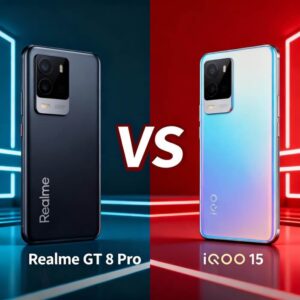
If gaming matters most, our Realme GT 8 Pro vs iQOO 15 comparison offers another starting point for your shortlist.
Camera Review: Telephoto Photos and Selfies Stand Out
Oppo Find X10 Camera Specifications
- Primary: 200MP, 1/1.4-inch sensor, 23mm equivalent lens, f/1.6, autofocus and optical stabilisation.
- Telephoto: 200MP, 1/1.56-inch sensor, 65mm equivalent lens, f/2.6, 2.8× native optical zoom, autofocus and optical stabilisation.
- Ultrawide: 50MP, approximately 1/2.75-inch sensor, 15mm equivalent lens, f/2.0 and autofocus.
- Selfie: 50MP, approximately 1/2.75-inch sensor, 18mm equivalent lens, f/2.0 and autofocus.
Detailed hardware and output assessments appear in GSMArena’s camera review.
Useful Upgrades Beyond Megapixels
Compared against Find X9, primary-camera resolution increases without a larger sensor format. Telephoto resolution and sensor size both increase. Selfies gain autofocus and wider framing—changes that affect shooting flexibility, not just specification-sheet appeal.
Daylight, Zoom and Selfies
Independent testing praises daylight detail, tonal range and telephoto output. Some primary-camera photos show assertive sharpening, but default-resolution results remain strong.
Native 2.8× telephoto photography and cropped 5.6× output are highlights. Keep that distinction clear: 5.6× is not a separate optical lens. A reported 21cm minimum focusing distance limits close-up flexibility compared against Pro Max.

Selfies earn praise for detailed faces, natural-looking skin and wide framing. Autofocus adds useful flexibility for solo shots and groups.
Ultrawide photos are less exceptional, especially after dark. Nighttime primary-camera crispness trails Pro Max results.
Video Quality Needs a Caveat
All four cameras support 4K60; primary and telephoto cameras add 4K120 and 8K30. Recording options include Log and open-gate capture.
Yet independent nighttime recordings dropped toward 22–26fps when targeting 30fps across two tested software versions. Buyers recording evening events should seek evidence of a fix before relying on this phone.
Compare independent daylight, nighttime and selfie samples, rather than judging from attractive promotional images alone. Oppo-supplied samples reproduced through Notebookcheck provide illustration, not controlled evidence of everyday consistency.
Oppo Find X10 vs Find X9 Ultra: Which Offers Better Value?
This comparison needs matching storage and ownership conditions. A discounted European retail unit and an untaxed import are not equivalent offers.
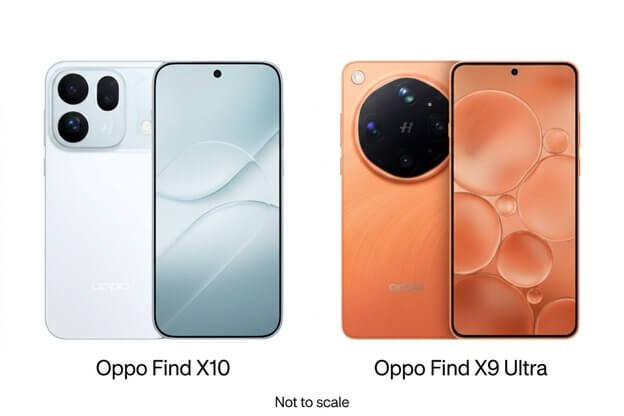
| Category | European Find X10 | Find X9 Ultra |
|---|---|---|
| Historical price references | €1,199 offer / €1,299 list starting-price references | €1,699 review launch reference; approximately €1,462 seller listing for 12/512GB |
| Screen | 6.59-inch LTPO OLED | 6.82-inch OLED |
| Battery | 7,150mAh | 7,050mAh |
| Charging | 80W wired / 50W wireless | 100W wired / 50W wireless |
| Weight | Reported 216–219g | Reported 235g |
| Principal appeal | Smaller body, selfies and strong telephoto photography | Larger display, higher Geekbench scores and additional long-reach telephoto |
Storage configurations and offer conditions differ; these are not
matched live checkout quotes.
Price references come from Oppo’s German offers and GSMArena’s Find X9 Ultra review and seller listings. Hardware details can be checked against Oppo’s Ultra specifications.
When Find X10 Makes Sense
Choose Find X10 for smaller dimensions and lower entry cost when its camera strengths match your needs. Slightly higher European battery capacity does not establish better endurance than Ultra without comparable testing.
When Find X9 Ultra Deserves Your Money
Ultra offers a larger screen, stronger processor scores and extra long-reach photography flexibility. Those advantages deserve attention as matching-storage retail prices narrow.
At a €1,299 starting-price reference, Find X10 warrants scrutiny. Around €1,199, its case strengthens. If a comparable Ultra costs little extra, consider camera needs and handling before choosing newer branding.
My judgment: Find X10 is not automatically overpriced, but its value depends heavily on local discounts. Verify storage, warranty, accessories and final delivered price before declaring either phone the better buy.
Oppo Find X10 Review Roundup: How Other Reviewers Judge It
Other reviewers broadly agree that the Oppo Find X10 offers strong photography, responsive everyday performance and an appealing display. Pricing, software preferences and sustained gaming produce a less uniform verdict. European buyers should also check which battery configuration each publication tested.
| Publication | Tested battery configuration | Key praise | Key reservations |
|---|---|---|---|
TechRadar |
Explicitly identifies an 8,000mAh review unit. | Excellent cameras, smooth everyday operation, long battery life and solid construction. |
High price, unwanted preinstalled apps and an Apple-inspired design that lacks originality. |
Trusted Reviews |
The review text identifies an 8,000mAh unit, although its specifications table lists 7,150mAh. Battery observations concern the larger-battery configuration. |
Strong triple-camera system, an appealing LTPO display, everyday performance and a smaller body than Pro Max. |
Premium pricing, sustained-load throttling, mixed software impressions and regional battery differences. |
Tech Advisor |
Explicitly identifies an 8,000mAh APAC review unit. | Strong cameras, quick everyday performance, extensive software features and excellent tested battery life. |
Smaller European battery, camera compromises compared with Pro Max and a high asking price. |
and Trusted Reviews describe experiences with the 8,000mAh
configuration. Those observations do not establish equivalent
endurance for Europe’s 7,150mAh model.
Where Reviewers Agree—and Why That Matters
Photography and everyday responsiveness receive consistent praise. That supports the Find X10’s position as a camera-focused daily companion rather than a purchase justified purely through processor scores.
Software opinions differ. Tech Advisor praises ColorOS features and presentation, while TechRadar criticises the preinstalled apps. Trusted Reviews values customisation but questions parts of the
software experience. These are different priorities, not necessarily contradictory findings.
Taken together, these reviews strengthen the case for the Find X10’s cameras and everyday usability. They do not remove the need to check regional battery capacity, local pricing and performance during your preferred games before buying.
Frequently Asked Questions
Why Does Europe Get a Smaller Find X10 Battery?
Oppo confirms regional capacities, but this research did not establish an authoritative explanation. A specific regulatory cause remains unverified.
Does Oppo Find X10 Overheat During Gaming?
Stress tests confirm throttling, not unsafe temperatures. Specific games need separate testing to establish frame-rate stability and comfort.
Does Find X10 Lose Brightness When Hot?
Controlled evidence confirming thermal dimming was unavailable here. Documented app-dependent brightness differences do not prove heat-related dimming.
Is Find X10 Better Value Than Find X9 Ultra?
Compare matching storage, local warranty and final prices. Find X10 suits smaller-phone preferences; Ultra deserves attention when its camera flexibility and processor performance cost little extra.
Final Verdict: Is the European Find X10 Worth Buying?
Consider it if telephoto photos, selfies and smaller dimensions match your priorities. An offer around the €1,199 German price reference strengthens the case, provided storage, warranty and
accessories meet your needs. Check the current checkout price before deciding.
Wait for a discount if full pricing leaves doubts about Europe’s battery compromise or nighttime video reliability.
Consider Find X9 Ultra for its larger display and extra long-reach photography flexibility. If sustained competitive gaming or dependable nighttime recording matters most, compare directly relevant tests before choosing any alternative.
Before ordering, confirm exact battery capacity, storage, charger inclusion and warranty. Then compare a matching Ultra offer. That short checklist is worth more than choosing from product names alone.