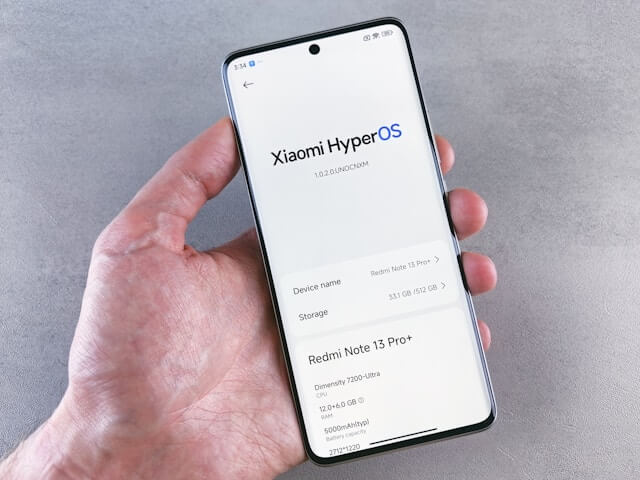
My first reaction after picking up the Redmi Note 17 Pro Max was simple: this phone feels large, heavy, and built around endurance rather than slim-pocket comfort
TL;DR Smartphone OS visual design isn’t just aesthetics—it’s the system of hierarchy, consistency, and accessibility that makes a phone feel calm and intuitive (or noisy and tiring)
TL;DR This Android skins comparison looks at HyperOS 3, OriginOS 6, ColorOS 16, and OxygenOS 16 through real smartphone use: AI tricks, gaming, cameras, batteries, and clutter. HyperOS 3 suits users who care about a big ecosystem, strong AI tools, and links between Xiaomi phones, tablets, TVs, Windows PCs, and even Apple devices as described […]
How to Hide Apps in Xiaomi HyperOS: My Full Guide for Privacy & Security Introduction I’ve been using Xiaomi devices for years, and one feature I always rely on is the ability to hide apps
Xiaomi HyperOS 3.0: Stable Release, Early Reviews, and What It Means for Xiaomi Fans Introduction: A Turning Point for Xiaomi’s Software Future If you’ve followed Xiaomi over the years, you know that software has always been a passionate discussion point among fans
HyperOS 2.0 Debloating Guide & Bloatware List Introduction When Xiaomi rolled out HyperOS 2.0, it caught my attention as both a Xiaomi fan and an engineer who enjoys fine-tuning devices
Introduction: Why These Phones Punch Above Their Weight Xiaomi, Redmi, and POCO devices often outclass their price tags—rock-solid batteries, high-refresh displays, and potent processors make them power-houses for mobile gaming