Table of Contents
TL;DR
- AI cybersecurity training transforms threat detection by enabling AI systems to spot anomalies, patterns, and breaches faster than traditional rule-based methods.
- Key threats covered: adversarial machine learning (data manipulation tricking AI), data poisoning (corrupting training data), and model inversion attacks.
- Benefits include adaptive learning from real/simulated attacks, continuous improvement via feedback loops, and stronger defenses for complex AI like self-driving cars.
- Overall, it keeps AI ahead of evolving cyber risks, essential for organizations protecting data and infrastructure.
Introduction
Artificial intelligence systems are becoming a part of our daily lives and important infrastructure. This means we need to make sure they are secure. Artificial intelligence is driving technology in many industries.. It also creates new weaknesses that hackers can use. This is why cybersecurity training for intelligence systems is so important. In this article we will look at how artificial intelligence cybersecurity training’s changing the way we detect threats. We will see why it is a big deal for the future of digital security.
The Evolving Threat Landscape in Artificial Intelligence
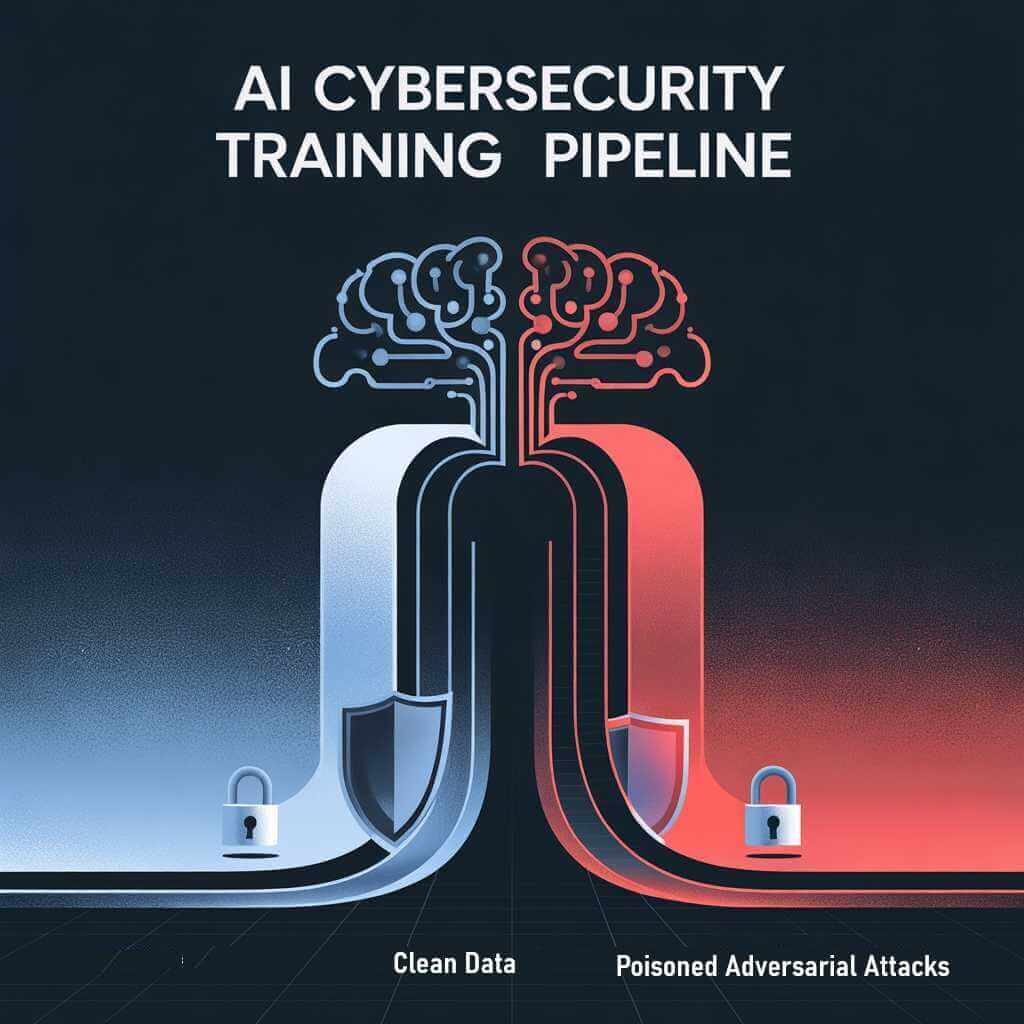
Artificial intelligence technology is growing fast. This has created cybersecurity challenges that are hard to solve using old methods. Machine learning, deep learning and natural language processing algorithms are getting more complex. These are the things that make most modern artificial intelligence applications work. As they get better cybercriminals are coming up with ways to attack them.
Artificial intelligence systems are different from software systems. They make decisions based on a lot of data. As they get better they can do complicated tasks.. They also become more vulnerable to attacks. There are kinds of attacks that target artificial intelligence systems. These include attacks, data poisoning and model inversion attacks. These threats show that artificial intelligence systems need special cybersecurity training.
The problem is that regular cybersecurity measures are not enough to protect intelligence systems. That is why artificial intelligence cybersecurity training is so important. It helps organizations make their defenses stronger and keep their intelligence technologies safe.
The Importance of Cybersecurity Training for Artificial Intelligence Systems
Artificial intelligence systems are only as secure as the data and algorithms that make them work. If these are compromised the whole system can be manipulated. This can have consequences. For example if someone hacks into the intelligence algorithms that control a self-driving car they could cause an accident.
That is why cybersecurity training for intelligence systems is crucial. This training teaches intelligence systems to recognize threats find weaknesses and prevent attacks. By training intelligence models to know about common attacks organizations can protect their systems better.
Cybersecurity training for intelligence systems also helps improve security over time. As artificial intelligence technology gets better so do the threats. Cybersecurity training makes sure artificial intelligence systems are up to date and can adapt to threats. This is important, for keeping intelligence systems safe. Artificial intelligence cybersecurity training is a part of this. It helps artificial intelligence systems stay one step ahead of hackers.
How AI Cybersecurity Training Enhances Threat Detection
AI cybersecurity training is really important for finding threats by teaching AI models to find patterns in data that could mean someone is attacking. The old way of finding threats uses rules and signatures that are already set up to flag things that seem suspicious.. This way can be slow to catch new threats that are always changing and that is where AI cybersecurity training does a better job.
AI systems can be taught to use algorithms to find things that are not normal and patterns that people might not see. For example AI systems can learn to see changes in network traffic, strange login attempts or people trying to steal data. This helps find security breaches so organizations can react quicker and do a better job.
Also AI models that are trained for cybersecurity can keep watching systems and learn from data, which makes them better at what they do over time. Unlike cybersecurity tools that need to be updated all the time to work AI cybersecurity systems can adapt to new threats on their own which makes them better at finding vulnerabilities.
Adversarial Machine Learning and How Cybersecurity Training Can Help
One problem with AI cybersecurity is something called adversarial machine learning. This happens when bad people make changes to the data that AI systems use, which makes the AI systems make wrong or bad decisions. These attacks are especially good at tricking machine learning models, which rely a lot on the data they are trained on to make predictions.

For instance an adversarial attack might add noise to pictures. Change sensor data, which makes the AI system misunderstand what is going on and do things it should not do. With facial recognition systems an adversarial attack could trick the system into thinking someone is someone which can cause security breaches. AI cybersecurity training is the key, to stopping these attacks.
Cybersecurity training for AI systems can help mitigate the risks associated with adversarial machine learning by teaching AI models to recognize these types of attacks and respond appropriately. Teaching AI systems on a variety of adversarial scenarios increases the defense capability of the systems and increases the difficulty for attackers to exploit weaknesses successfully.
Furthermore, AI systems trained in cybersecurity will learn to recognize and block malicious prompts, shielding themselves from adversarial attacks. Such defense cyber approach ensures AI models to be more protected from attacks.
The Role of Data Poisoning in AI Security
AI systems have a problem with something called data poisoning. This is when bad people mess with the information that AI systems use to learn. They do this to make the AI systems not work well or to make them do things that are not fair. Data poisoning is very bad because it goes after the core of how AI systems make decisions.When someone does a data poisoning attack they put information into the group of data that the AI system uses to learn. This can make the AI system learn things that’re not true or make mistakes when it tries to predict things.
For example if we are talking about a system that detects fraud bad people could use poisoned data to trick the system into not catching transactions. This could lead to people losing money.To fight data poisoning AI systems need to be trained to find problems in the data they use to learn. They can do this by looking for things that do not seem right or by using statistics to analyze the data. When AI systems can do this they can flag information that seems suspicious and stop people from putting bad data into the system.
We can also make AI systems stronger so they are not as affected by data poisoning. There are ways to clean up the data and make sure AI systems are private and safe. If we use these methods AI systems will be less vulnerable to attacks. Will be more secure. AI systems will be better at dealing with data poisoning. Data poisoning will not be as big of a problem, for AI systems.

Continuous Improvement and Adaptation in AI Cybersecurity
The threats posed to cybersecurity are constantly changing. Therefore, to stay ahead of attackers, AI systems must be trained to change immediately. One of the biggest advantages of AI systems receiving cybersecurity training is that cyber threats are constantly changing. With proper training, AI systems can improve their understanding of how to remain protected from cyber threats.
Training AI systems to improve their detection of various threats can be accomplished through the use of real-world data and both real and simulated cyber-attacks. With continuous training, the systems can learn to overcome complex attacks. The entire process of continuous instruction can create an environment of cyber threat improvement.
In addition, the feedback loop established by training AI systems provides the ability for the organization to hold more resiliency and more effective cyber threats. With an evolutionary process, it provides an environment in which defense can improve more than the cyber threats, ensuring the organization remains ahead.
FAQ: AI cybersecurity training
Q1: What is AI cybersecurity training?
AI cybersecurity training involves teaching AI models to recognize cyber threats, vulnerabilities, and attack patterns through data exposure, improving their ability to detect and respond autonomously.
Q2: How does it improve threat detection?
Unlike static rules, trained AI identifies anomalies in network traffic, logins, or data patterns in real-time, adapting continuously to new threats for faster breach response.
Q3: What are adversarial machine learning attacks?
These manipulate input data (e.g., adding noise to images) to fool AI decisions, like bypassing facial recognition; training counters this by exposing models to simulated scenarios.
Q4: Can data poisoning be prevented with AI training?
Yes, trained AI detects suspicious data via statistical analysis, data cleaning, and anomaly flagging, reducing impacts on fraud detection or prediction accuracy.
Q5: Why is continuous training important for AI security?
Cyber threats evolve rapidly; ongoing training with real-world and simulated attacks creates feedback loops, ensuring AI defenses stay resilient and ahead of attackers.
Conclusion
As AI systems get more complex. Are used more often making sure they are secure is becoming very important for organizations in all areas. Training AI systems to be secure is a help in fighting new threats. This training helps AI systems find problems better makes them stronger against attacks and allows them to deal with weaknesses.
When organizations include AI security training in their plans they can do a job of protecting their AI systems from new threats. This helps keep their data, assets and reputation safe. As the way we think about security changes, AI systems that can defend against attacks will become more important for keeping ecosystems safe.
If AI systems get the training and are updated regularly they can find and fix threats more effectively. AI systems can also keep adapting to the changing risks of cyber attacks. The future of keeping things secure depends on defense systems that use AI. This is why training AI systems to be secure is a part of any plan to keep things safe. AI systems and AI security training are essential, for protecting AI systems and keeping them secure.