Table of Contents
TL;DR
- An eSIM-only phone has no physical SIM tray—your carrier plan is downloaded digitally (usually via QR code or a carrier app).
- eSIM works by storing one or more carrier “profiles” securely on the device and letting you switch lines/plans in settings instead of swapping plastic cards.
- The industry is moving this way to save internal space (thinner designs, potential room for other components) and to make activation a software flow.
- The biggest everyday win is convenience: faster setup (when supported), easier travel data plans, and a simpler multi-line setup (work/personal or home/travel).
- The biggest downside is “no internet, no phone” moments—activation/transfer can fail or require Wi‑Fi and carrier support, which is stressful during travel or emergencies.
- Switching to a backup phone is often harder than moving a physical SIM, because transfers may involve carrier rules, identity checks, or customer support.
- Losing the SIM tray helps against physical SIM removal, but it doesn’t eliminate SIM-swap/account-takeover risk if carrier verification is weak.
- Practical advice: if your carrier’s eSIM onboarding is smooth, eSIM-only can feel modern; if you rely on quick SIM swaps or travel through uneven eSIM markets, a hybrid phone (eSIM + SIM tray) is still the least stressful option.
Introduction: eSIM-only Phones
A few years ago, “switching a SIM” was just part of owning a phone—like charging it or updating apps. Now, eSIM-only phones are turning that tiny plastic ritual into a tap-and-download experience, and the industry is clearly trying to make the SIM tray feel… antique.
This guide breaks down what eSIM-only phones are, how the tech actually works, why physical SIM cards are being pushed out, and what’s genuinely great (and genuinely annoying) about the shift—plus my take on Apple’s iPhone Air (2025), the iPhone 17 lineup, and where phones like Google’s Pixel line fit in.
What are eSIM-only phones?
An eSIM-only phone is a smartphone with no physical SIM slot—cell service is activated exclusively through an embedded eSIM (embedded SIM) using remote provisioning. The eSIM is not a removable card; it’s part of the device hardware, and your carrier “loads” a profile digitally (usually via QR code or in-app activation).
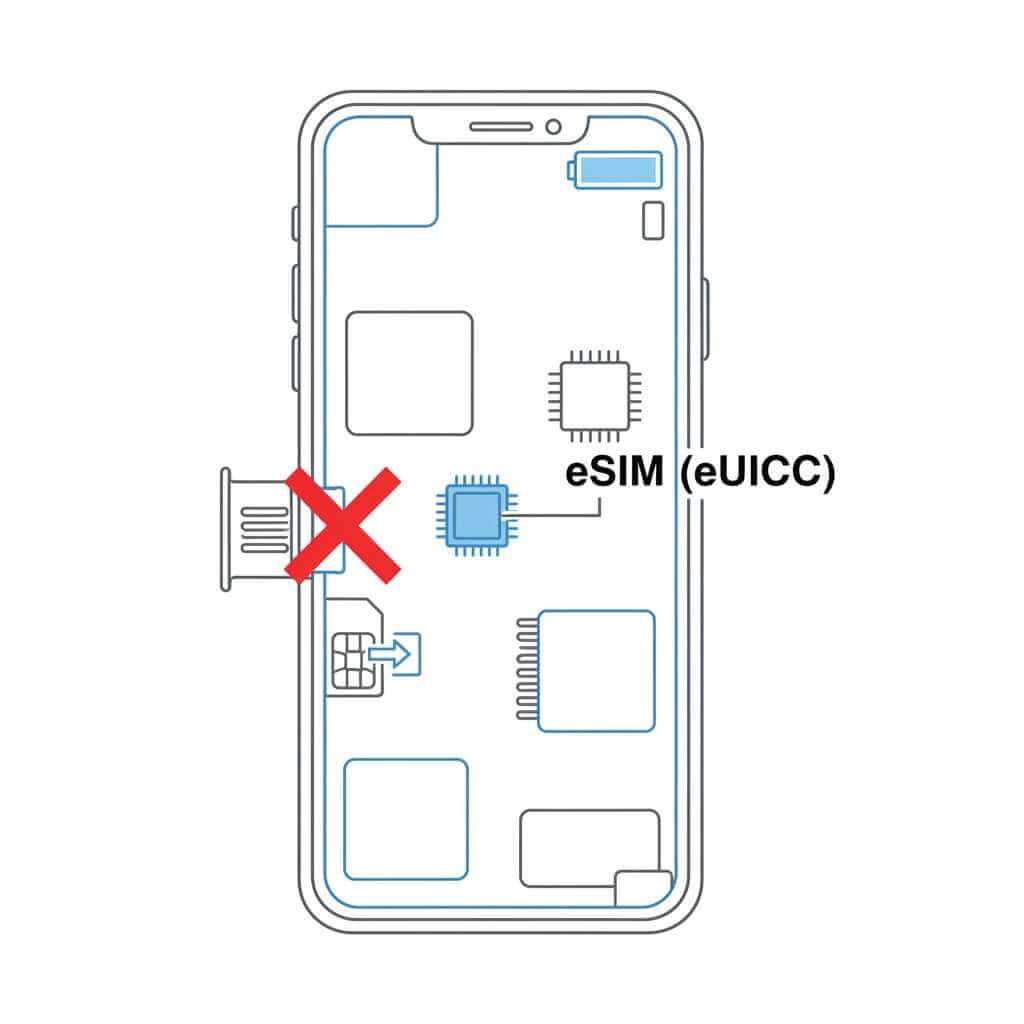
What makes this important isn’t just convenience—it changes your relationship with carriers, travel connectivity, repairs, and even how you “rescue” your phone number when your device breaks.
eSIM-only vs eSIM-capable vs physical SIM
| Type of phone | What it supports | What it feels like day-to-day | Best for |
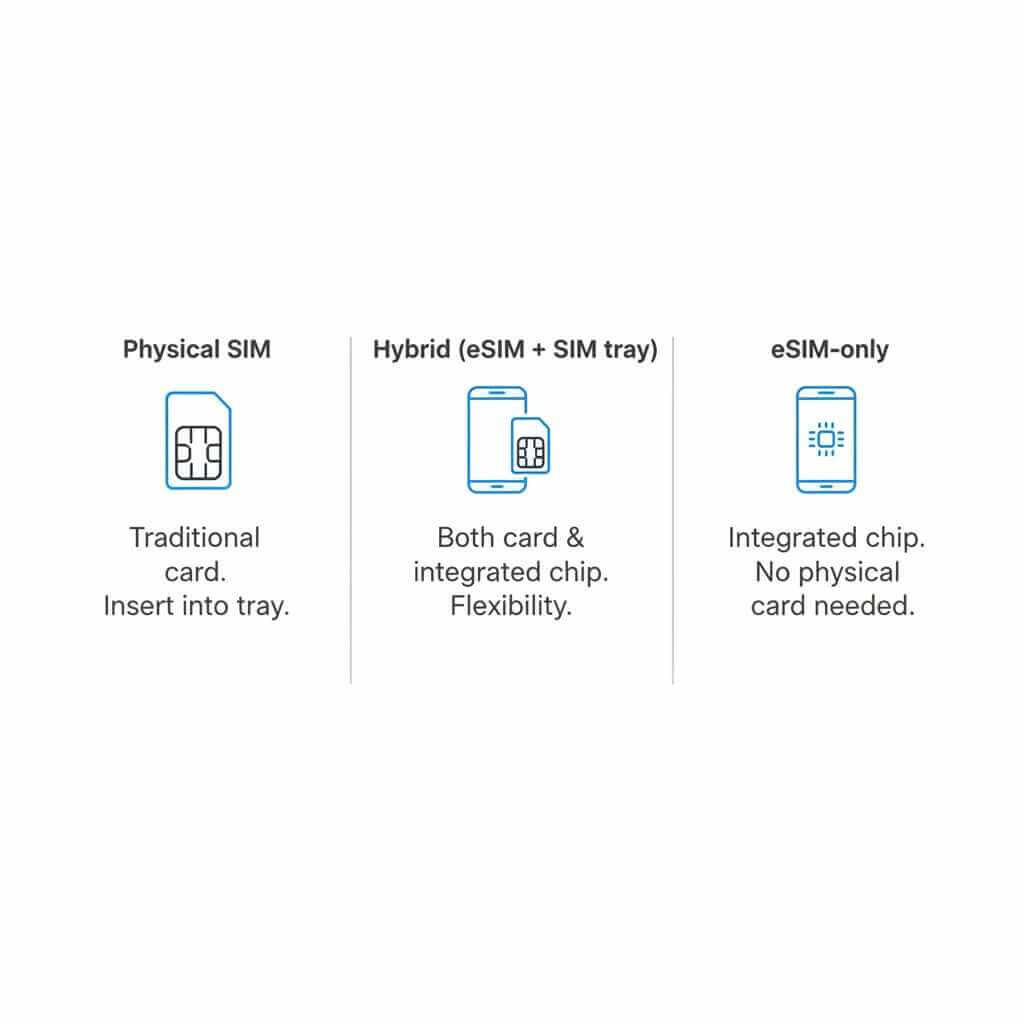
| Physical SIM only | Removable nano-SIM | Swap cards to switch phones/carriers; very “manual” | People who change devices often; older networks/devices |
| eSIM-capable (hybrid) | eSIM + SIM tray | Flexibility: eSIM for travel + physical SIM for backup | Most people in 2025–2026 |
| eSIM-only | eSIM only (notray) | Fast setup when it works; stressful when activation/transfer is blocked | Frequent travelers; users in regions with strong eSIM carrier support |
How eSIM technology works
At the standards level, eSIM is defined as a GSMA global specification that enables remote SIM provisioning (installing and managing carrier profiles digitally). In practical terms, instead of inserting plastic, your phone
downloads an “operator profile” (a set of credentials + network configuration) and stores it securely on the device.
The core pieces (the minimum jargon that actually matters)
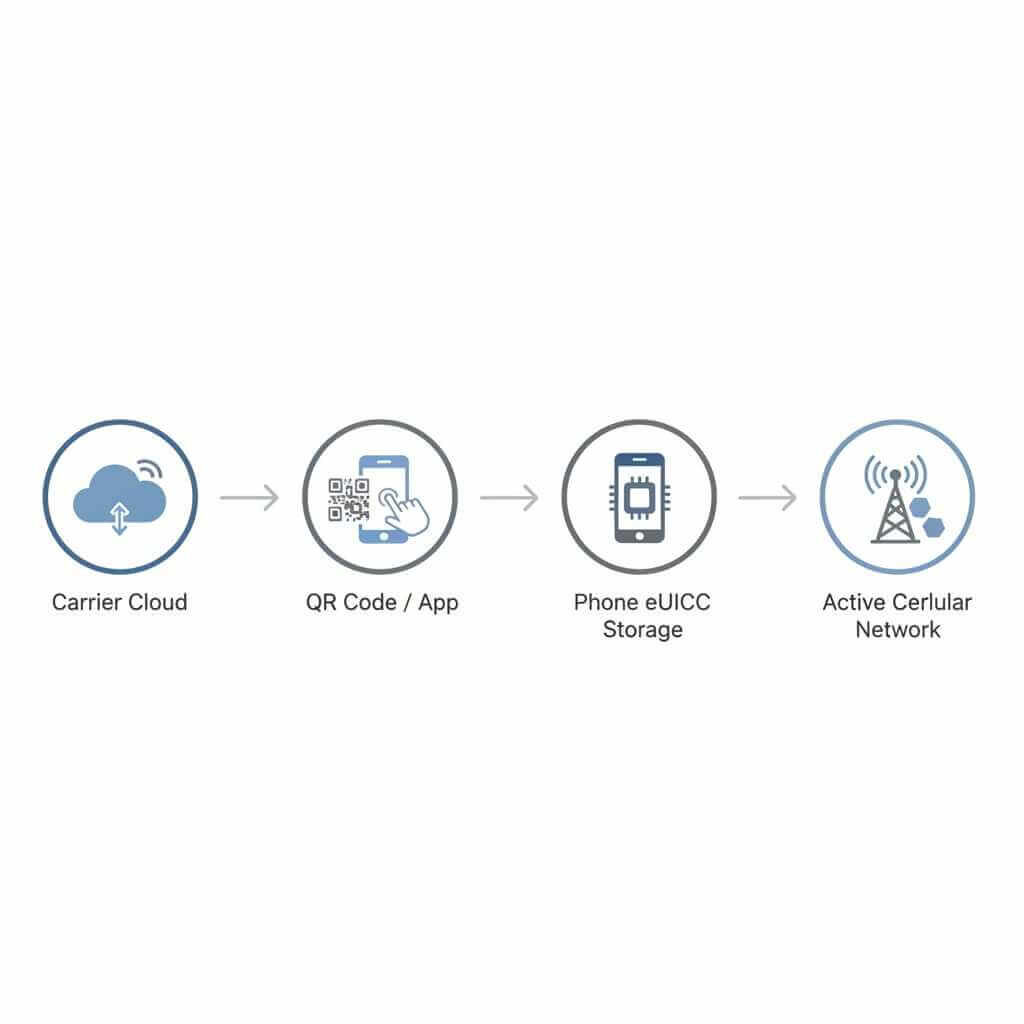
- eUICC: Think of this as the secure SIM environment in the device that can store multiple operator profiles and switch between them.
- Remote SIM Provisioning (RSP): The GSMA-defined method for installing/switching/deactivating profiles over-the-air (OTA).
- Profiles: Many modern phones can store multiple profiles so you can keep your home number and add a travel data plan without physically swapping anything.
What activation usually looks like
Most consumer activations happen in one of these ways:
- Scan a QR code from your carrier.
- Use your carrier’s app to download and install a plan.
- Transfer an existing plan during phone setup (carrier/region dependent).
Why physical SIM cards are being phased out
The push away from physical SIM trays is not just “tech progress.” It’s a mix of design goals, logistics, and power dynamics.
1) Phone design: the SIM tray costs space
Apple’s iPhone Air is described as eSIM-only worldwide because there wasn’t room for a SIM tray in the ultra-thin chassis. TechCrunch reports Apple framed the removal as a space-saving move in a ~5.5 mm design, trading the tray for internal space. MacRumors similarly points to the thin chassis as the reason Apple “was not able to fit a SIM tray.”
2) Switching carriers becomes a software flow (not a store visit)
eSIM provisioning is designed to make carrier activation and switching a digital process rather than a physical distribution process. That reduces friction for consumers, but it also nudges carriers into modern onboarding flows and pushes legacy SIM logistics out of the spotlight.
3) Industry standardization is catching up
Because eSIM and RSP are GSMA-driven standards, device makers can build one approach that works across many markets (with regional exceptions). As support spreads, the SIM tray starts to look like a legacy feature that manufacturers can delete—especially on premium phones.
Real-world eSIM-only phones (launched vs regional vs “not quite”)
This is where things get practical. Lots of phones support eSIM, but very few are truly eSIM-only globally—and regional rules still matter.
eSIM-only status (2026 snapshot)
| Model | eSIM-only? | Where/notes | Why it matters |
| iPhone Air (2025) | Yes, worldwide | MacRumors calls it eSIM-only worldwide and the first iPhone with no SIM slot at all. | This is the “line in the sand” device: Apple is betting that the SIM tray can be deleted globally. |
| iPhone 17 / 17 Pro / 17 Pro Max | Mixed (country dependent) | MacRumors reports these models are eSIM only in specific countries/regions, while others still get a nano‑SIM tray. | Shows the transition is uneven and still shaped by carriers/regulators. |
| iPhone 17 Air | Yes, worldwide (as reported) | TechCrunch reports Apple said the iPhone 17 Air has only eSIM support all across the world. | Reinforces Apple’s “thin phone = no tray” direction. |
| Google Pixel line (incl. Pixel 10 coverage) | Generally eSIM capable, not broadly eSIM-only | Public compatibility guides focus on eSIM support rather than global tray removal. | Google enables eSIM, but hasn’t “forced” the switch globally the way Apple has. |
My thoughts on iPhone Air
From a phone-design perspective, the iPhone Air is the clearest argument for eSIM-only: Apple removed the tray to make the device dramatically thinner, and the industry will copy that if sales hold up. Personally, it feels like the first time Apple has said, “This isn’t a feature—we’re deleting the old world now,” and it forces everyone (carriers included) to keep up.
A quick China reality check (important!)
China has historically been complicated for consumer eSIM, and MacRumors notes that iPhone Air availability there is tied to carrier support and regulatory timing. So even when a phone is “eSIM-only worldwide,” the user experience can still be very different depending on where you buy and where you activate.
Benefits of eSIM-only phones (what’s genuinely better)
The upside of eSIM-only phones is real—when your carrier ecosystem supports it well. Faster setup and cleaner travel.
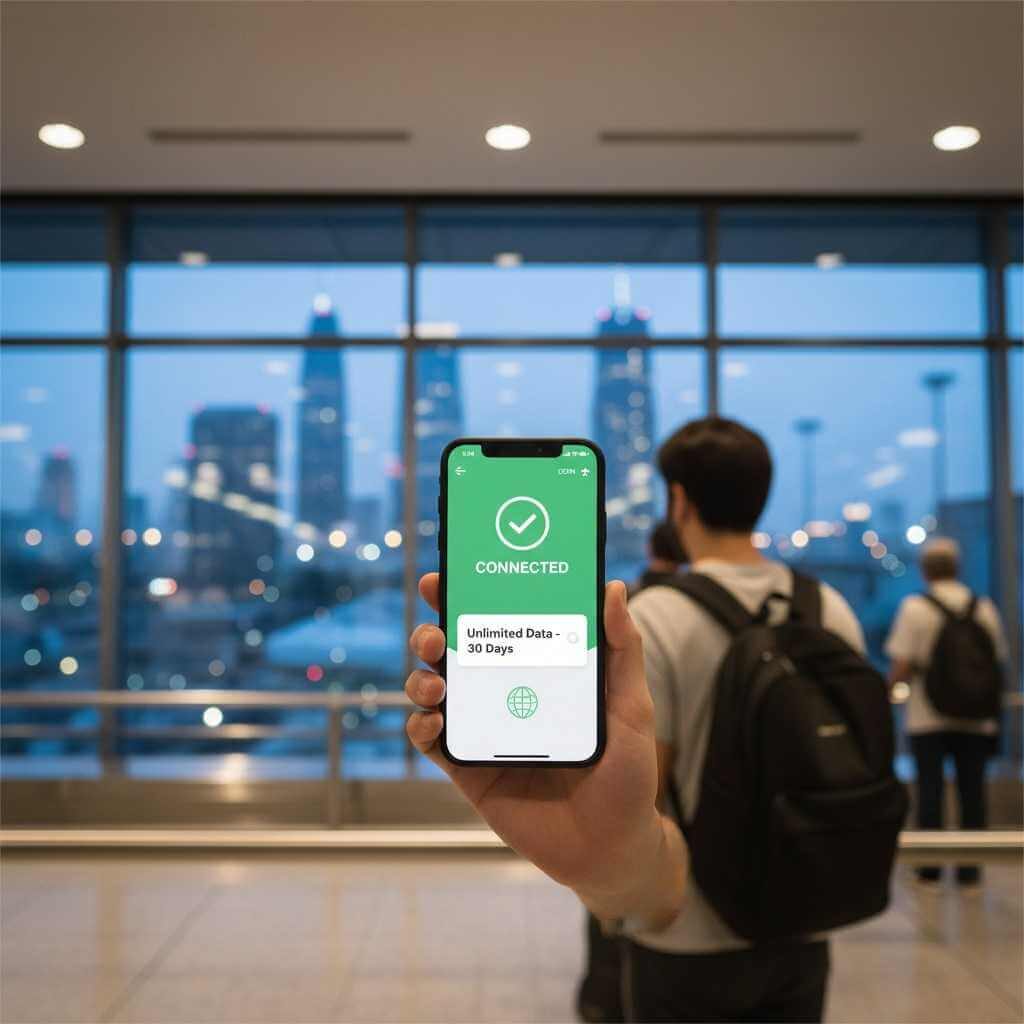
If you’re planning a trip and considering an esim for Southeast Asia, it’s worth treating it as a “check-first” purchase rather than an impulse buy at the airport, because real-world eSIM experiences still vary a lot by country and carrier support across the region. The upside is obvious: you can land, connect, and avoid the usual SIM-kiosk hassle by downloading a local or regional data plan straight to your phone. The trade-off is that activation and switching often depend on having working internet (Wi‑Fi counts), and some markets still have uneven eSIM provisioning rules and carrier readiness—so it’s smart to confirm compatibility with your exact phone model and keep a backup connectivity plan before you rely on it for navigation, ride-hailing, or banking logins.
For travelers, eSIM is a game-changer because you can add a data plan without hunting down a kiosk and swapping plastic. That’s exactly why mainstream travel coverage called iPhone Air’s eSIM-only approach “perfect for world travelers,” emphasizing easy connectivity without juggling tiny SIMs.
Easier multi-line life (work + personal)
Storing multiple eSIMs lets you keep a work number and personal number (or home + travel plans) and switch in settings without physically touching anything. MacRumors notes modern iPhones with eSIM can support at least eight eSIMs, which is plenty for most people.
For users who need a dedicated US number for business calls or app verifications while traveling, pairing your eSIM data plan with an eSIM Plus US eSIM number is one way to keep a persistent American line without carrying two phones.
Better physical security against “SIM removal”
With no removable SIM, a thief can’t just pop your card into another phone to receive calls/texts. That doesn’t solve every threat (more on that below), but it does remove an old-school weak point.
More internal space for batteries and components
Apple and multiple outlets explicitly connect eSIM-only designs to freeing internal space (battery and layout) by removing the SIM tray. This is one of the few “manufacturer reasons” that also benefits normal users in a concrete way.
Drawbacks of eSIM-only phones (what can go wrong)
This is where the glossy keynote story meets real life.
Activation can become a “no internet, no phone” moment
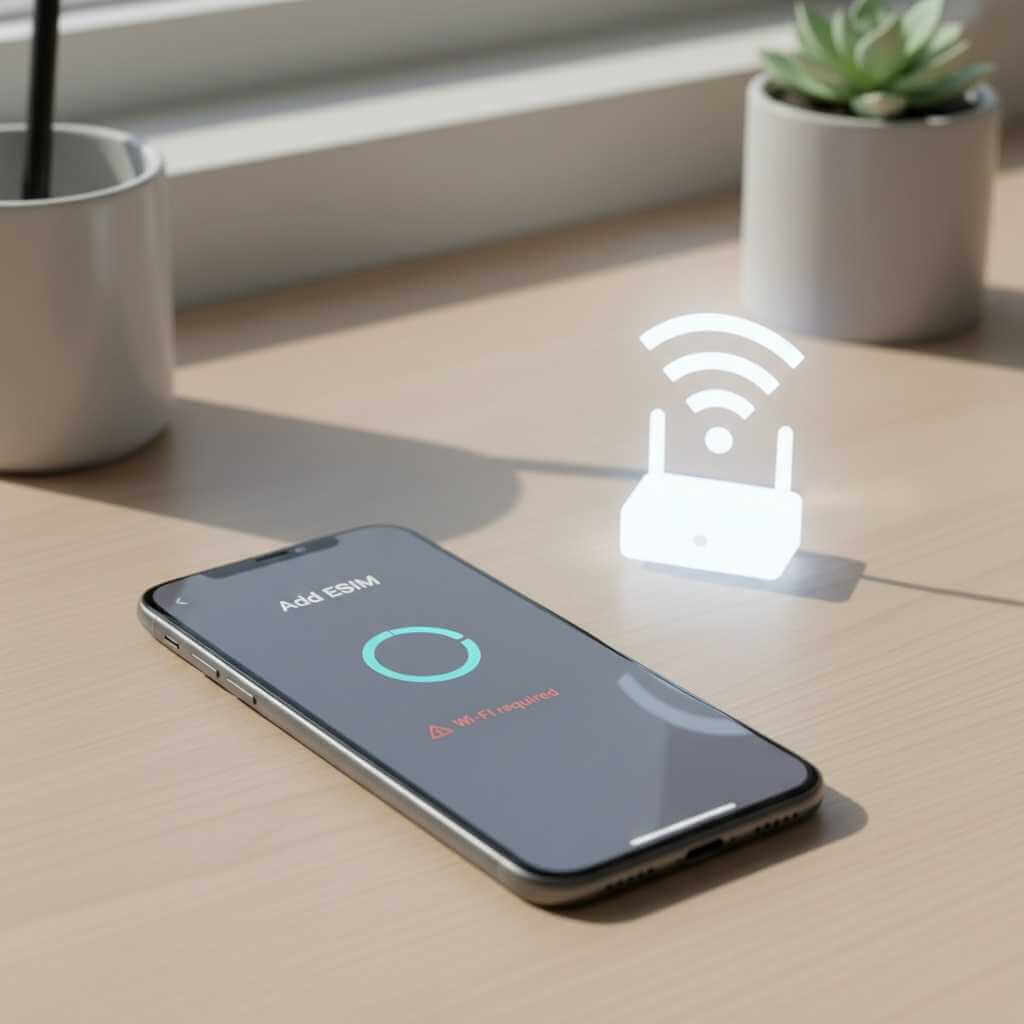
If your phone is eSIM-only and you’re setting it up from scratch, you may need Wi‑Fi or some form of connectivity to download the profile—especially when traveling. With a physical SIM, you could sometimes just insert and go; eSIM can be smoother or can fail harder, depending on the carrier flow.
Device-to-device transfer can be more painful than a SIM swap
With a physical SIM, moving service to a backup phone is easy: swap the card. With eSIM-only phones, transfers often depend on carrier support, identity checks, and sometimes customer service intervention, which is inconvenient precisely when you’re stressed (lost phone, broken screen, travel day).
SIM-swapping risk doesn’t magically disappear
Even though eSIM can prevent physical theft of a SIM card, account takeover and SIM swap attacks can still happen if a carrier’s identity verification is weak.
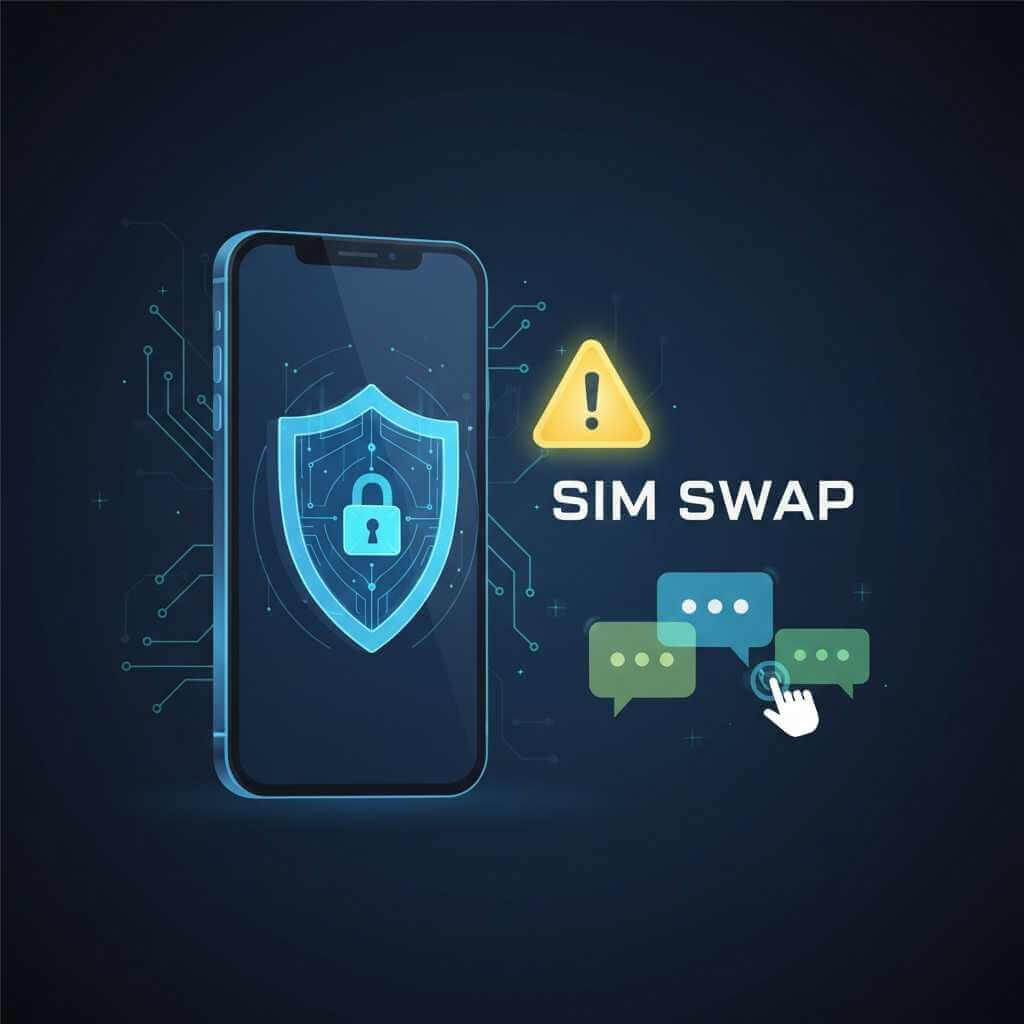
In other words, eSIM removes one attack path, but it doesn’t eliminate social-engineering risk at the carrier level.
Regional restrictions and uneven carrier support
Regulatory and market differences still limit eSIM experiences in parts of Asia and elsewhere, and MacRumors specifically highlights China carrier timing/approval dynamics around iPhone Air. This is why many brands are still hesitant to go eSIM-only worldwide—hybrid designs avoid support gaps.
My take: the shift is inevitable, but the pain is optional
eSIM-only phones are where the industry is heading, mostly because the hardware roadmap (thinner phones, tighter internal layouts) rewards removing mechanical parts like trays. The part that bugs me isn’t the concept of
eSIM—it’s that some carrier experiences still feel like 2012, and eSIM-only makes those weak links more visible, more often.
If you live in a country where your carrier has smooth eSIM onboarding, and you upgrade phones regularly, eSIM-only can feel modern and effortless. If you rely on emergency SIM swaps (backup phone), switch devices constantly, or travel through markets with inconsistent support, a hybrid phone (eSIM + tray) is still the least stressful choice right now.
FAQ: eSIM-only phones
Q1: What is an eSIM-only phone?
An eSIM-only phone is a smartphone with no physical SIM slot, so mobile service is activated exclusively through an embedded eSIM using remote provisioning.
Instead of inserting a plastic card, the carrier installs a digital “profile” on the phone (often via QR code or a carrier app).
Q2: How does eSIM work (in plain English)?
Your phone downloads an operator profile (credentials + network configuration) and stores it securely inside the device’s eUICC (the “SIM environment” that can hold multiple profiles).
Remote SIM Provisioning (RSP) is the standard method used to install, switch, and deactivate profiles over the air.
Q3: How do you activate an eSIM plan?
Most activations happen by scanning a QR code from the carrier, using a carrier app to download/install the plan, or transferring a plan during phone setup (depending on region/carrier).
Because the plan is downloaded, activation often depends on having working internet (Wi‑Fi counts).
Q4: Why are phone makers removing SIM trays?
A major driver is hardware design: the SIM tray takes up space, and removing it can help manufacturers make thinner phones and free internal room for layout/battery decisions.
The shift also turns carrier switching into a software flow instead of distributing physical SIM cards.
Q5: Is eSIM better for travel?
For travel, eSIM can be a big win because you can land and download a local/regional data plan without finding a kiosk or swapping tiny SIM cards.
The catch is reliability: real-world eSIM experiences vary by country and carrier readiness, so it’s smart to confirm compatibility with your exact phone model and keep a backup connectivity plan.
Q6: Can I have multiple numbers/plans on one phone?
Many modern phones can store multiple eSIM profiles so you can keep a home number and add a travel plan (or separate work/personal lines) without swapping anything.
Q7: What happens if I break or lose my phone?
With a physical SIM, moving service to a backup phone can be as simple as swapping the card, but eSIM-only transfers may depend on carrier support, identity checks, or customer service.
That’s why eSIM-only can feel “clean” day-to-day but more stressful during emergencies if the transfer flow isn’t smooth.
Q8: Is eSIM more secure than a physical SIM?
eSIM-only designs can reduce one old-school risk: a thief can’t physically remove your SIM card and put it into another phone.
However, SIM-swap/account takeover attempts can still happen if a carrier’s identity verification is weak, so eSIM doesn’t magically eliminate social-engineering risk.
Q9: Are eSIM-only phones supported everywhere?
Regional restrictions and uneven carrier support still affect eSIM in parts of Asia and elsewhere, which is why some brands stick to hybrid designs (eSIM + SIM tray).
It also calls out China as a market where consumer eSIM support has historically been complicated and can vary by carrier/regulatory timing.
Q10: Should you buy an eSIM-only phone or a hybrid phone?
An eSIM-only phone tends to be a great experience if your carrier’s eSIM onboarding is mature and you like fast setup plus easy travel connectivity.
If you rely on emergency SIM swaps, switch devices often, or travel through markets with inconsistent eSIM support, a hybrid phone is usually the least stressful choice right now.
Conclusion: Should you buy an eSIM-only phone?
eSIM-only phones are a real upgrade when your carrier ecosystem is mature: setup is cleaner, travel is easier, and modern designs get more internal space by deleting the tray. But the drawbacks—activation friction, transfers during emergencies, and regional limitations—are serious enough that hybrid (eSIM + tray) phones still make sense for many users in 2025–2026.
Call to action: If you’re considering an eSIM-only upgrade, check your carrier’s eSIM support and transfer workflow first, then test one “dry run” (adding/removing a secondary eSIM plan) before you travel. If you want, the next article can be a practical checklist: “eSIM-only phone readiness test (10 minutes) + what to do if activation fails.”