Table of Contents
TL;DR
Xiaomi’s UltraThin Magnetic Power Bank 5000 is a super-slim, 6mm-thick (98g) magnetic power bank built for daily carry, using a 5,000 mAh silicon‑carbon battery to keep the size down while still delivering practical top-ups.
It launched in waves starting January 2026 (Japan early, then the UK and parts of Europe shortly after), with pricing generally landing around the $50–70 range depending on region.
You can use it two ways: snap it on for magnetic wireless charging (up to 15W on supported devices, with iPhones typically limited to 7.5W in reporting) or plug in via USB‑C for faster charging (up to 22.5W), plus it supports charging two devices at once.
Compatibility is broad—Xiaomi flagships (12–15 series), iPhone 12–17 series, Samsung Galaxy S23 Ultra–S25, and Google Pixel 9–10 series are all listed—making it a solid pick if you want “always-on-hand” power without a bulky brick.
Why I care about the Xiaomi UltraThin Magnetic Power Bank
I’ve been a long-time Xiaomi phone user, and power banks have always been part of my daily kit—commutes, travel days, long camera sessions, and those “my battery is at 12% and I forgot a charger” moments. That’s why the Xiaomi UltraThin Magnetic Power Bank caught my attention immediately: 6mm thin, magnetic, and designed to feel like it belongs on the phone rather than hanging off it awkwardly.
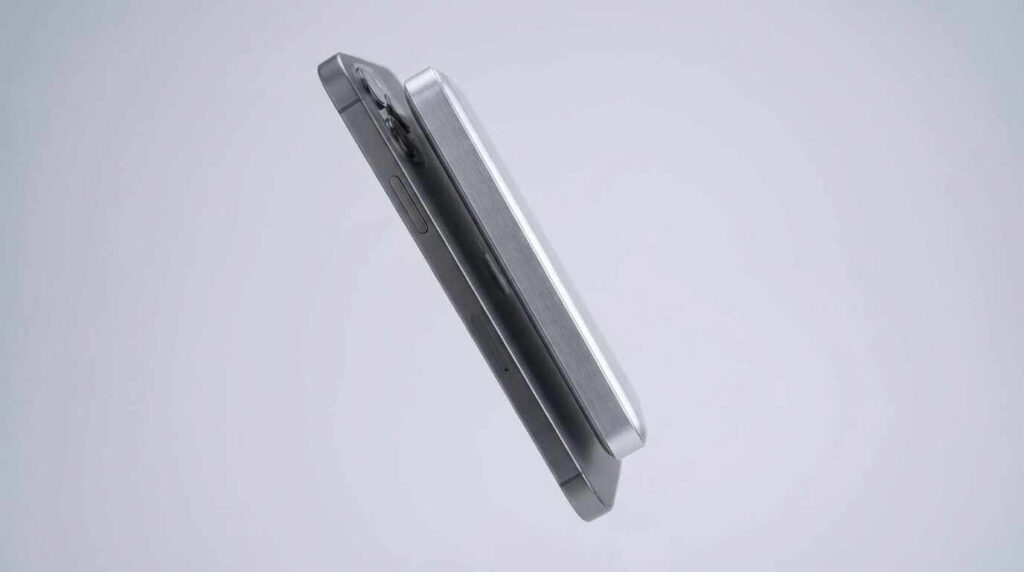
The promise is simple: the Xiaomi UltraThin Magnetic Power Bank aims to be the power bank you actually want to keep attached—because it’s slim and light enough to not ruin the feel of your phone. For me, that’s the difference between a power bank that lives in a drawer and one that lives in my pocket.
If you want to see how mainstream tech outlets framed the launch buzz, check coverage from PhoneArena’s report and Gizmodo China’s launch write-up while you read.
This slim Xiaomi UltraThin Magnetic Power Bank is perfect for extended AI camera sessions on Android smartphones.
Launch timing: when the Xiaomi UltraThin Magnetic Power Bank released
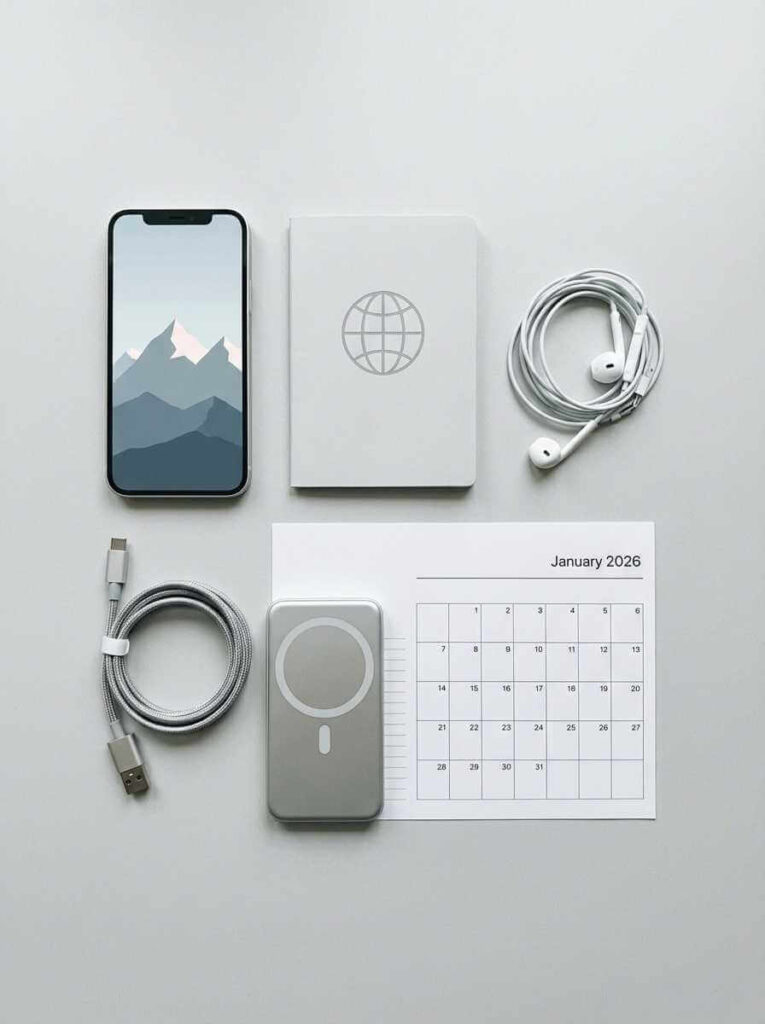
The Xiaomi UltraThin Magnetic Power Bank rolled out in stages across regions in January 2026, rather than a single worldwide “one-day” launch. Notebookcheck’s updates are helpful to track that rollout, including their piece on wider availability and regional expansion.
Japan saw an early release window in mid-January 2026, and if you read Japanese, this page summarizes the Japan launch timing: “たった6mm… Xiaomi UltraThin Magnetic Power Bank 5000 15W”. The UK availability was also reported as part of the later rollout wave.
As a Xiaomi user, I actually like this staggered rollout—because it usually means Xiaomi is aligning inventory, compliance, and localized support pages instead of launching everywhere with messy availability.
First impressions: what makes it “6mm” special?
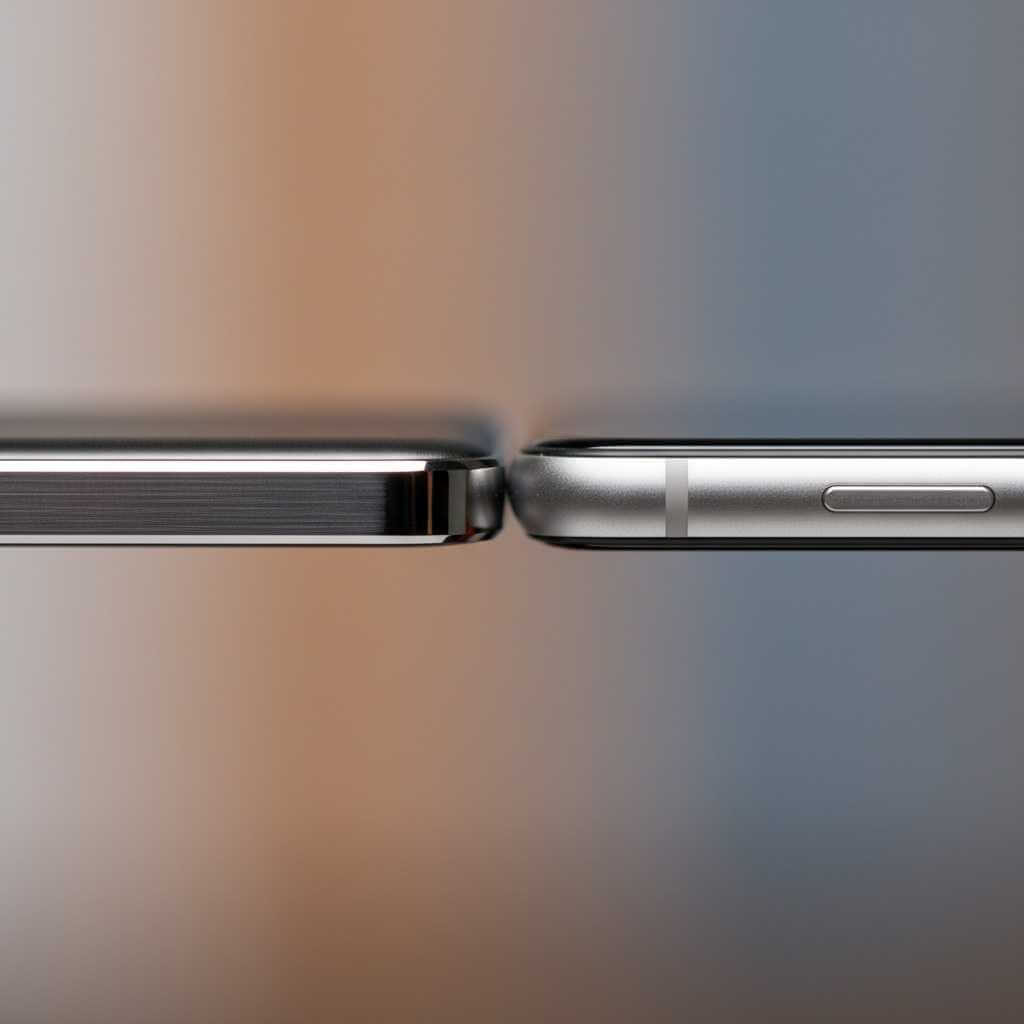
Let’s be honest: a lot of magnetic power banks are convenient, but they often feel like you duct-taped a brick to the back of your phone. The Xiaomi UltraThin Magnetic Power Bank is trying to solve that specific pain, and it does it with a genuinely unusual spec combo: a 5,000 mAh battery in a 6mm body, weighing 98g
Notebookcheck describes the core positioning perfectly: it’s meant to be slim and unobtrusive, while still offering up to 15W wireless charging and up to 22.5W via USB‑C. That “slim enough to keep attached” goal matters more than people think—because I’ve owned big-capacity power banks that simply never get used unless I plan ahead.
A practical note: the Xiaomi UltraThin Magnetic Power Bank is built around a silicon‑carbon battery approach (high energy density), which helps explain how Xiaomi squeezed 5,000 mAh into this form factor. If you want a non-technical overview, Basic Tutorials’ article is an easy read.
Specs and charging: what the Xiaomi UltraThin Magnetic Power Bank actually does
Here’s the way I’d explain the Xiaomi UltraThin Magnetic Power Bank to another Xiaomi fan: it’s a slim magnetic wireless charger and a fast-ish wired power bank in one. You can slap it on the back of your phone for wireless top-ups or use USB‑C when you want maximum speed.
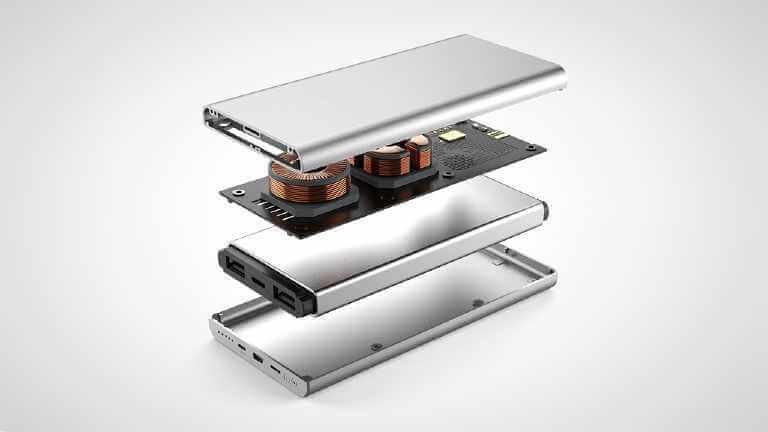
Core specs that matter day-to-day
- Battery capacity: 5,000 mAh.
- Thickness/weight: 6mm and 98g.
- Wireless charging: up to 15W (with noted device-dependent limits, especially iPhone).
- Wired USB‑C output: up to 22.5W.
- Two-device charging: it can charge two devices at once (wireless + USB‑C).
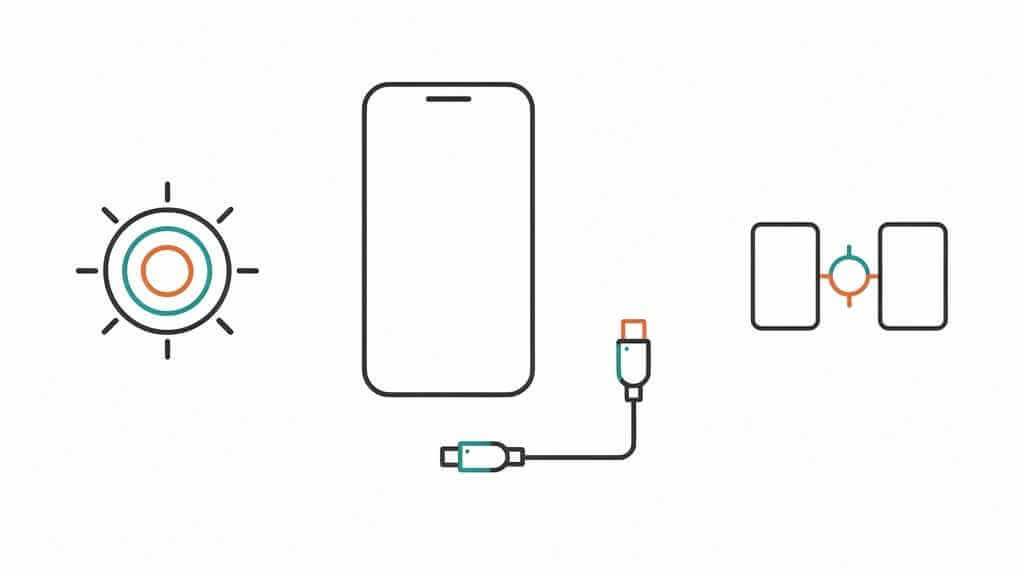
Charging modes table (quick reference)
| Mode (Xiaomi UltraThin Magnetic Power Bank) | What it’s for | Power to expect |
|---|---|---|
| Magnetic wireless charging | Casual top-ups while you walk/use your phone | Up to 15W wireless on supported devices; iPhones limited to 7.5W in reporting |
| USB‑C wired charging | Faster “I need power now” charging | Up to 22.5W wired output |
| Simultaneous charging | Charging phone + earbuds, or phone + second phone | Two devices at once supported |
If you want to compare Xiaomi’s other magnetic models (not the 6mm one), Xiaomi’s product pages for the Xiaomi Super Slim Magnetic Power Bank 5000 and the Xiaomi Magnetic Power Bank 5000 are useful context.
Full compatible devices list (official)
Xiaomi’s official compatibility list for the Xiaomi UltraThin Magnetic Power Bank (as published on Xiaomi Australia’s product page) includes the following models.
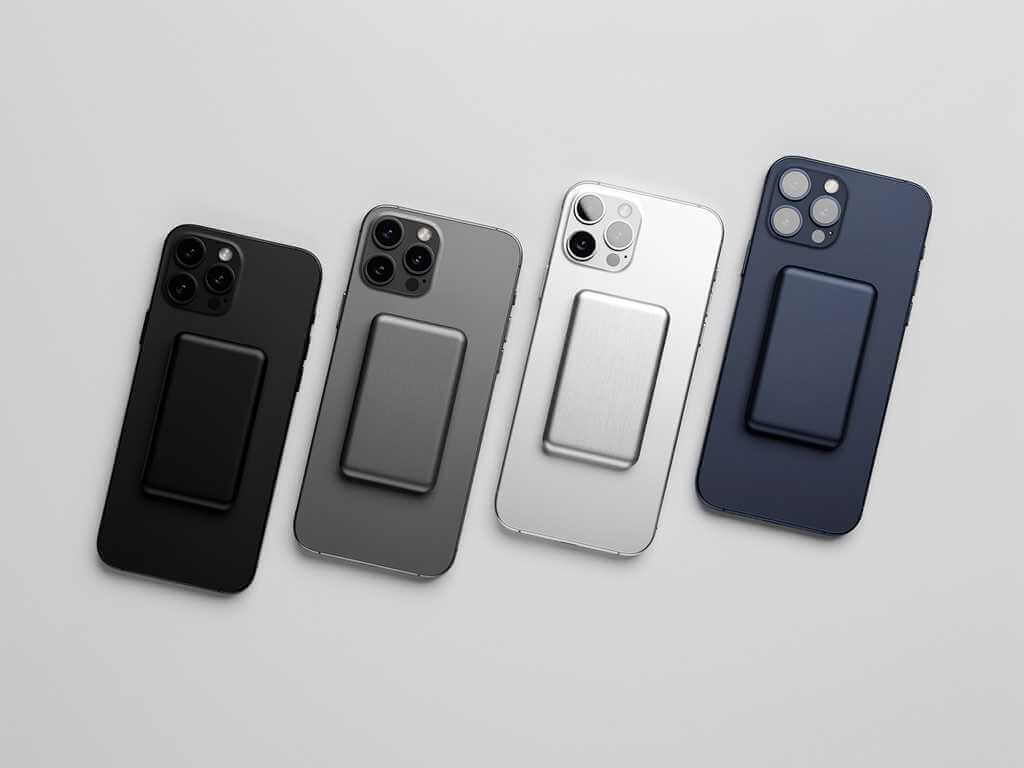
Xiaomi
- Xiaomi 15.
- Xiaomi 15 Ultra.
- Xiaomi 14.
- Xiaomi 14 Ultra.
- Xiaomi 13 series.
- Xiaomi 12 series.
Apple
- iPhone 17 series.
- iPhone 16 series.
- iPhone 15 series.
- iPhone 14 series.
- iPhone 13 series.
- iPhone 12 series.
Samsung
- Samsung Galaxy S25.
- Samsung Galaxy S24 Ultra.
- Samsung Galaxy S23 Ultra.
- Google Pixel 10 Pro Fold.
- Google Pixel 10 Pro.
- Google Pixel 10 Pro XL.
- Google Pixel 10.
- Google Pixel 9 Pro.
- Google Pixel 9 Pro XL.
- Google Pixel 9.
As someone who lives in the Xiaomi ecosystem, I love seeing Xiaomi list Xiaomi flagships and major competitors—because it means the Xiaomi UltraThin Magnetic Power Bank isn’t only a “Xiaomi-only accessory” in practice.
How to use the Xiaomi UltraThin Magnetic Power Bank (simple + real-life tips)
Using the Xiaomi UltraThin Magnetic Power Bank is the kind of “no manual needed” experience you want from a magnetic accessory: align it to the back of your phone and it begins charging.
Wireless magnetic charging steps
- Attach the front of the Xiaomi UltraThin Magnetic Power Bank to the phone’s wireless charging area, and it attaches automatically and starts charging.
- Adjust alignment if the charge doesn’t start (cases and camera bumps can shift position on some phones).
- If you’re using a thicker case, try a MagSafe-style case for more reliable alignment (this is something I learned the hard way with older magnetic chargers).
For Xiaomi’s official FAQ on basic usage, see: How to use Xiaomi magnetic power banks.
Wired USB‑C charging tips
When I’m in a rush, I treat the Xiaomi UltraThin Magnetic Power Bank like a normal USB‑C power bank—because wired charging will generally be faster and more efficient than wireless. If you want official “pass-through” style guidance, Xiaomi also discusses charge-and-use behavior on its Xiaomi Magnetic Power Bank 6000mAh page.
Price: how much the Xiaomi UltraThin Magnetic Power Bank costs (and how it compares)
Pricing for the Xiaomi UltraThin Magnetic Power Bank varies by region and retailer, which is typical for Xiaomi accessories. Notebookcheck reported pricing in several markets during rollout updates (for example AUD, SGD, and KRW figures in one of their availability posts).
The UK price was cited around £49.99–£50, while Japan pricing was cited around ¥7,980. The best way to sanity-check local pricing is to use official listings where available (like the Xiaomi Australia product page) and price aggregators.
Two places I’d personally watch for “real street pricing”:
- PriceSpy’s Xiaomi power bank listings.
- Regional retailers (example listing pages like ElecBoy and Kogan AU)
Quick comparison vs common alternatives
Here’s how I think about value: the Xiaomi UltraThin Magnetic Power Bank is not trying to win on capacity-per-dollar; it’s trying to win on “you’ll actually carry it.” If you want maximum power for the money, you’ll usually look at 10,000 mAh class magnetic power banks, but they’re thicker.
| Product | Capacity | Thickness | Wireless | Wired | Notes |
|---|---|---|---|---|---|
| Xiaomi UltraThin Magnetic Power Bank | 5,000 mAh | 6mm | Up to 15W; iPhones limited to 7.5W in reporting | Up to 22.5W | Ultra-carryable design focus |
| Xiaomi Super Slim Magnetic Power Bank 5000 | 5,000 mAh | (Model line referenced as thicker than 6mm in reporting) | Up to 15W | Up to 22.5W | Great baseline Xiaomi option |
| Xiaomi Magnetic Power Bank 6000mAh | 6,000 mAh | — | 15W wireless; Qi 2.0 positioning on page | Wired + pass-through described | Strong feature set, bigger feel |
| Competitor example: Ugreen MagFlow 10,000 mAh | 10,000 mAh | — | Up to 25W with Qi2 (reported) | — | Bigger capacity, less pocket-friendly |
If you’re curious about Xiaomi’s broader power bank lineup outside magnetic models, Xiaomi’s general product list is here: Xiaomi power banks category page.
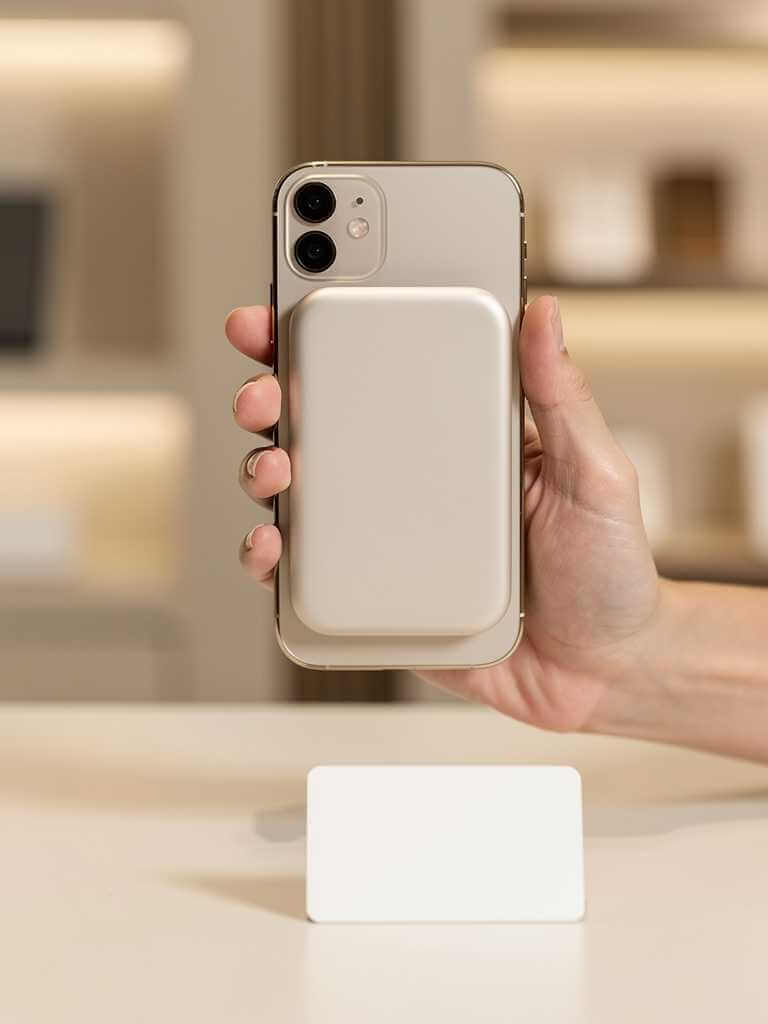
Tech angle: why the Xiaomi UltraThin Magnetic Power Bank can be this thin
The Xiaomi UltraThin Magnetic Power Bank uses a silicon‑carbon battery approach in reporting, which helps reach higher energy density than typical cells used in many older power banks. In plain language: you can pack the same “capacity” into less physical space, though you still can’t cheat physics—5,000 mAh is still 5,000 mAh.
For Xiaomi users, the meaningful benefit isn’t “more capacity,” it’s “less bulk.” The Xiaomi UltraThin Magnetic Power Bank is the first magnetic power bank I’ve seen where the thickness feels like part of the phone rather than an accessory.
If you like teardown-style nerdy content, ChargerLAB’s teardown coverage of Xiaomi’s other slim magnetic models is worth bookmarking: ChargerLAB teardown. And if you enjoy video impressions, here’s one you can skim: YouTube review.
Strengths and limitations (my honest Xiaomi-user take)
Strengths I genuinely like
- The Xiaomi UltraThin Magnetic Power Bank is extremely slim and light (6mm, 98g), so it’s far more “carryable” than most magnetic packs.
- It supports up to 22.5W wired charging, so it’s not just a slow wireless puck.
- It can charge two devices at once (wireless + USB‑C), which is surprisingly useful if you travel with earbuds or a second phone.
- Official compatibility lists include Xiaomi, iPhone, Samsung, and Pixel flagships, which helps a lot if you switch phones often.
Limitations you should know before buying
- Wireless charging on iPhones is reported as limited to 7.5W, which is slower than some newer Qi2-oriented competitors.
- Capacity is 5,000 mAh, so expect “one solid top-up,” not a weekend of power.
- The magnetic experience can vary depending on phone design and case choice (this is true for basically every magnetic power bank I’ve used, including Xiaomi’s).
If you want another “outside Xiaomi fan bubble” take, Notebookcheck explicitly compares the Xiaomi UltraThin Magnetic Power Bank positioning versus thicker packs and mentions the Qi2 competitive landscape. For a “news-style” recap, GizmoChina’s global expansion post and Notebookcheck’s UK availability piece are also handy.
FAQ: Xiaomi UltraThin Magnetic Power Bank
Q1: What is the Xiaomi UltraThin Magnetic Power Bank?
It’s Xiaomi’s ultra-slim magnetic power bank with a 5,000 mAh battery, designed for snap-on wireless charging and USB‑C wired charging in a 6mm body.
Q2: How thin and light is it?
Xiaomi’s UltraThin Magnetic Power Bank is listed at 6mm thick and 98 grams.
Q3: When did it launch?
It rolled out in stages starting in January 2026, with Japan first (mid‑January), followed by the UK (Jan 30, 2026) and parts of Europe in late January/early February, with Australia also available in early 2026.
Q4: What charging speeds does it support?
It supports wireless charging up to 15W on supported devices (with iPhones typically limited to 7.5W) and wired USB‑C output up to 22.5W.
Q5: Can it charge two devices at the same time?
Yes— it supports simultaneous charging (one wireless + one wired).
Q6: Does it support pass-through charging?
Yes— when plugged in, it can charge itself while wirelessly charging a phone (listed as 10W wireless output in that scenario).
Q7: How do I use it for magnetic wireless charging?
Attach the power bank’s wireless charging surface to the phone’s magnetic area; it will detect the device and begin charging, and you can check remaining battery via the LED indicators and button.
Q8: How do I use it for faster wired charging?
Connect your phone via USB‑C to use the wired output (up to 22.5W), which is described as the fastest option.
Q9: Which Xiaomi phones are supported?
Xiaomi 15 / 15 Ultra, Xiaomi 14 / 14 Ultra, plus Xiaomi 12–13 series.
Q10: Which iPhones are supported?
iPhone 17, 16, 15, 14, and 13 series, and notes iPhone 12 series with limitations.
Q11: Which Samsung phones are supported?
Samsung Galaxy S25, S24 Ultra, and S23 Ultra.
Q12: Which Google Pixel phones are supported?
Pixel 10 Pro XL, 10 Pro, 10 Pro Fold, Pixel 10, plus Pixel 9 Pro XL, 9 Pro, and Pixel 9.
Q13: What does it cost?
Japan at ¥7,980 (~$50), the UK around £49.99–£50, Australia around AUD $69.50, and Europe expected around €50–60, with a general global range around $50–70 depending on region.
Q14: Is it Qi2 certified?
It achieves broad compatibility without formal Qi2 certification, even though it’s described as Qi2-like in practice.
Q15: Any safety or usage warnings I should know?
Do not place magnetic-strip cards on the charging surface, to keep medical implants at least 20cm away, and to store it around 25–50% charge if unused for long periods.
My bottom line: who should buy the Xiaomi UltraThin Magnetic Power Bank?
Buy the Xiaomi UltraThin Magnetic Power Bank if your #1 priority is portability and “I’ll actually use it daily,” especially if you’re already carrying a Xiaomi flagship and want a clean, brand-matched accessory vibe. If your #1 priority is capacity-per-dollar, you’ll probably prefer a 10,000 mAh class magnetic bank (even if it’s thicker) and accept the extra bulk.
My personal recommendation: if you’ve ever skipped bringing a power bank because it felt too chunky, the Xiaomi UltraThin Magnetic Power Bank is exactly the kind of product that changes that habit.