Table of Contents
TL;DR
- 2026 phones are positioned as a real jump forward, driven by AI-first features, new form factors (especially foldables), and more meaningful camera/battery gains rather than minor spec bumps.
- The article highlights seven headline devices—Xiaomi 15 Ultra, iPhone 17 Pro, Galaxy Z Fold 6, Pixel 10, OnePlus 13 Pro, Honor Magic V3, and ASUS ROG Phone 9—each aimed at a different “best-in-class” priority (photography, premium performance, foldables, AI, value speed, thin foldables, and gaming).
- Big themes to watch: on-device AI, foldables becoming mainstream, faster charging with bigger batteries, and camera progress shifting from megapixels to smarter processing and more capable zoom systems.
2026 Phones: The Most Awaited Flagships
The smartphone industry stands on the brink of a revolutionary transformation as we approach 2026. After years of incremental updates, 2026 phones promise to deliver groundbreaking innovations that will fundamentally change how we interact with mobile technology. From foldable displays that defy physics to artificial intelligence that anticipates your every need, the 2026 phones lineup represents the most exciting collection of devices in recent memory. This comprehensive guide explores the most anticipated 2026 phones, including the Xiaomi 15 Ultra, Samsung Galaxy Z Fold 6, Apple iPhone 17 Pro, Google Pixel 10, OnePlus 13 Pro, Honor Magic V3, and ASUS ROG Phone 9—each bringing unique innovations that will shape the future of mobile computing. Learn how to maximize AI camera features on Android flagships now.
As consumers worldwide hold onto their devices longer than ever before, manufacturers are responding with 2026 phones that offer compelling reasons to upgrade. These devices aren’t just faster versions of last year’s models; they represent genuine technological leaps forward in camera technology, battery life, artificial intelligence integration, and form factor innovation. The 2026 phones we’ll explore in this article have generated unprecedented buzz among tech enthusiasts, industry analysts, and everyday consumers alike, signaling that the smartphone market is far from saturated.
Xiaomi 15 Ultra: The Photography Powerhouse Among 2026 Phones

The Xiaomi 15 Ultra stands as one of the most camera-centric 2026 phones, having already launched globally on March 3, 2025, following its Chinese debut on February 26, 2025. This flagship device represents Xiaomi’s continued commitment to pushing the boundaries of mobile photography, partnering with Leica to deliver professional-grade imaging capabilities that rival dedicated cameras. Among all 2026 phones, the Xiaomi 15 Ultra distinguishes itself with an unprecedented camera system that photography enthusiasts have been eagerly awaiting.
At the heart of the Xiaomi 15 Ultra’s photographic prowess lies a revolutionary triple camera setup featuring a 50MP main sensor with a massive 1-inch type sensor co-engineered with Leica, delivering exceptional light-gathering capabilities for stunning low-light performance. The 2026 phones market has seen many impressive cameras, but the Xiaomi 15 Ultra’s 200MP Samsung HP9 periscope telephoto lens with 4.3x optical zoom sets a new standard for long-range photography. Complementing this setup is a 50MP telephoto camera with 3.2x optical zoom and a 50MP ultra-wide camera, creating what may be the most versatile camera system among 2026 phones.
Powering this photography beast is the Snapdragon 8 Elite chipset, Qualcomm’s most advanced mobile processor built on 3nm manufacturing technology. This chip enables the Xiaomi 15 Ultra to process the massive amounts of data from its high-resolution sensors in real-time, supporting 8K@60fps HDR video recording and advanced computational photography features. The device comes with up to 16GB of LPDDR5X RAM and up to 1TB of UFS 4.1 storage, ensuring smooth performance even when handling multiple high-resolution photos and videos.

The display on the Xiaomi 15 Ultra measures 6.73 inches and features AMOLED LTPO technology with micro quad-curved design, offering a 2K resolution and 120Hz refresh rate. An ultrasonic in-screen fingerprint sensor provides secure biometric authentication. To keep all this power running throughout the day, Xiaomi equipped the device with a substantial 6,000mAh battery supporting 90W wired charging and 50W wireless charging. Among 2026 phones, this combination of camera excellence, powerful processing, and all-day battery life makes the Xiaomi 15 Ultra a top contender for mobile photography enthusiasts.
Apple iPhone 17 Pro: Redefining Premium in the 2026 Phones Market
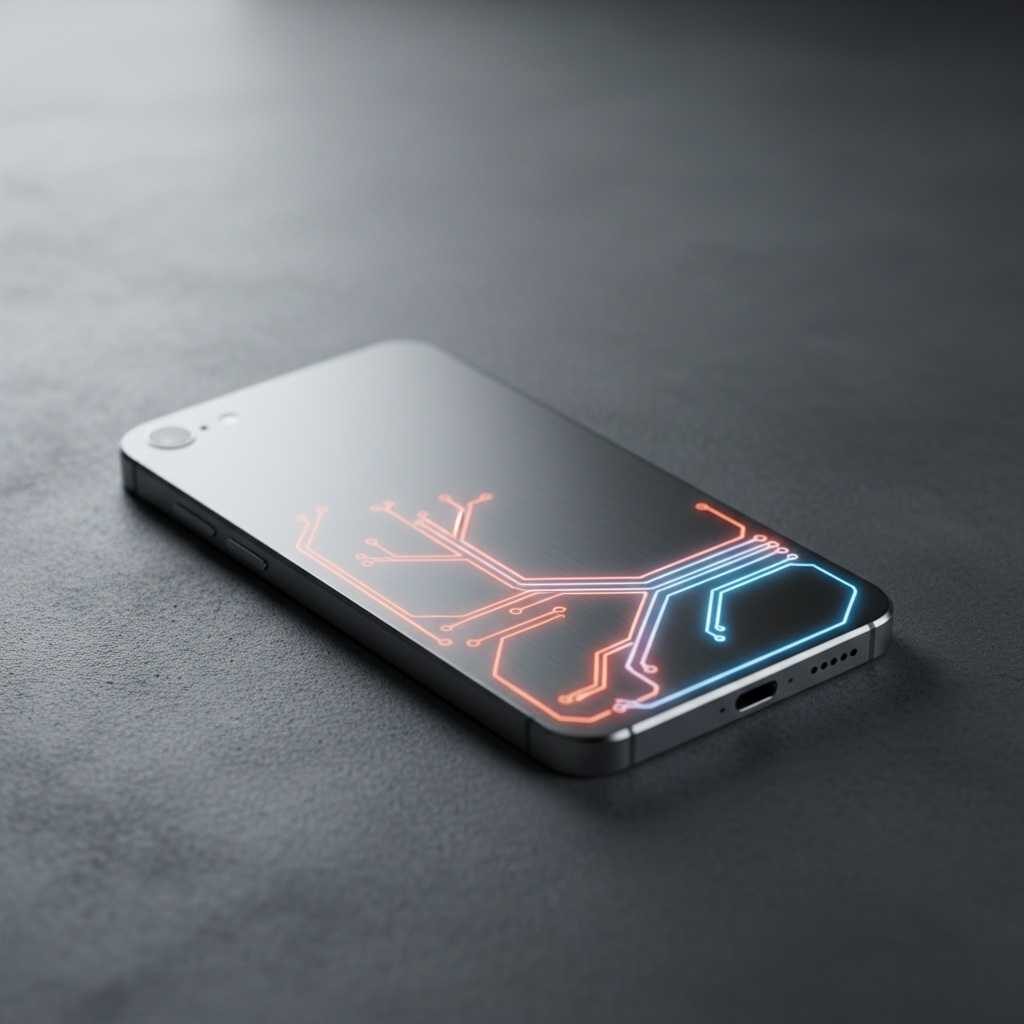
The Apple iPhone 17 Pro, officially unveiled on September 9, 2025, represents one of the most significant redesigns in iPhone history and stands as a pinnacle among 2026 phones. Apple’s bold decision to move away from titanium to an innovative aluminum unibody design featuring an Apple-designed vapor chamber marks a dramatic departure from previous generations. This thermal architecture allows the A19 Pro chip to deliver up to 40 percent better sustained performance compared to the previous generation—an unprecedented leap that positions the iPhone 17 Pro at the forefront of 2026 phones performance.
The camera system on the iPhone 17 Pro represents another major advancement among 2026 phones. For the first time, Apple equipped all three rear cameras with 48MP Fusion sensors—the Main, Ultra Wide, and an all-new Telephoto lens—offering the equivalent of eight lenses and the longest optical-quality zoom ever on an iPhone at 8x. This represents a substantial upgrade from the previous generation’s 12MP telephoto lens and brings iPhone photography closer to Android competitors that have long featured higher-resolution sensors. The innovative 18MP Center Stage front camera takes selfies and video calls to new levels, supporting portrait and landscape capture without rotating the device.
Apple’s A19 Pro chip, built on the company’s third-generation 3-nanometer node, powers this exceptional hardware. The chip features a 6-core CPU that Apple claims is “the fastest CPU in any smartphone,” paired with a 6-core GPU architecture that includes Neural Accelerators built into each GPU core. This design enables advanced on-device AI processing, allowing Apple Intelligence features to run locally without relying on cloud servers. The 16-core Neural Engine, combined with 8GB of RAM and an updated image signal processor, ensures that the iPhone 17 Pro can handle even the most demanding computational photography and AI tasks.
Among the 2026 phones lineup, the iPhone 17 Pro also introduces N1, Apple’s new custom wireless networking chip that enables Wi-Fi 7, Bluetooth 6, and Thread connectivity. This chip improves overall performance and reliability of features like Personal Hotspot and AirDrop while future-proofing the device for emerging smart home technologies. The device ships with iOS 26, featuring a new Liquid Glass design, comprehensive overhaul of the Photos app, and enhanced Apple Intelligence capabilities including Live Translation and a more capable Siri. The iPhone 17 Pro’s combination of thermal innovation, camera excellence, and AI integration makes it one of the most compelling 2026 phones for users seeking a premium, cohesive ecosystem experience.
As phones get thinner and more ‘sealed,’ the SIM tray is increasingly on the chopping block—here’s what that actually means for setup, travel, and emergencies in our eSIM-only phones explained guide.
Samsung Galaxy Z Fold 6: The Foldable Leader Among 2026 Phones
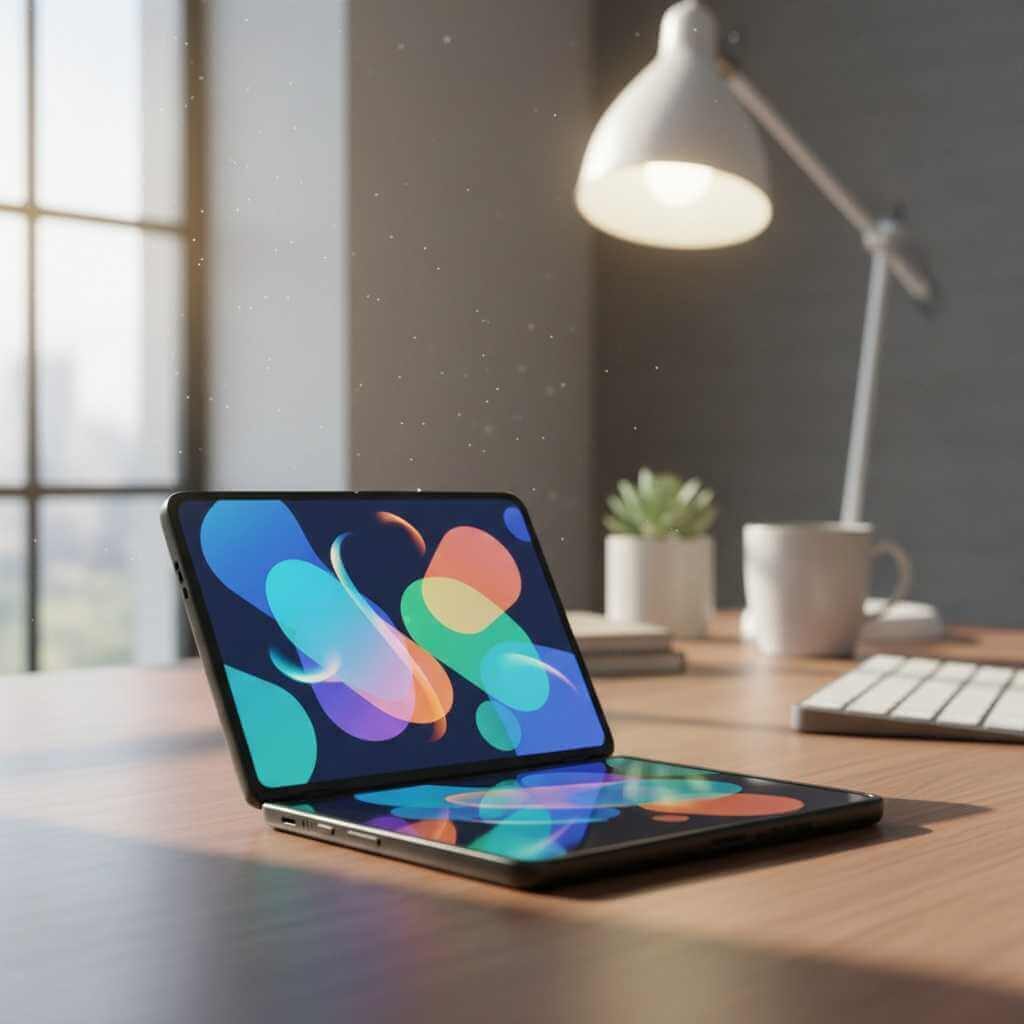
Although officially released on July 31, 2024, the Samsung Galaxy Z Fold 6 remains highly relevant in discussions of 2026 phones due to its continued availability and Samsung’s pioneering role in the foldable category. As the sixth generation of Samsung’s book-style foldable, the Z Fold 6 represents years of iterative refinement that has made foldables more practical and appealing to mainstream consumers. In the context of 2026 phones, the Z Fold 6 demonstrates how foldable technology has evolved from experimental curiosity to mature, daily-driveable devices.
The Z Fold 6 features a more squared-off design compared to its predecessor, with a 6.3-inch cover display and a massive 7.6-inch main display, both using Dynamic AMOLED 2X technology with 120Hz adaptive refresh rate and peak brightness up to 2,600 nits. The device holds an IP48 rating, making it Samsung’s first foldable smartphone with certified dust protection—a crucial milestone for foldable 2026 phones reliability. The frame is constructed from matte aluminum, while both the cover screen and back panel use Corning Gorilla Glass Victus 2, with Samsung’s ultra-thin flexible glass protecting the inner display.
Powered by the Qualcomm Snapdragon 8 Gen 3 for Galaxy processor, the Z Fold 6 delivers flagship-level performance with 12GB of LPDDR5X RAM and storage options up to 1TB. The triple rear camera system features a 50MP wide-angle lens with Dual Pixel autofocus and OIS, a 12MP ultra-wide lens with 123° field of view, and a 10MP telephoto lens with 3x optical zoom. While not matching the camera specifications of some other 2026 phones, the Z Fold 6’s unique form factor enables creative photography possibilities, including using the high-quality rear cameras for selfies while viewing the preview on the cover screen.
Galaxy AI features throughout the device showcase how Samsung envisions 2026 phones integrating artificial intelligence into everyday tasks. Portrait Studio transforms selfies into artistic works, Instant Slow-mo allows selective slow-motion application to videos, and Interpreter provides real-time translation across the dual screens for seamless international communication.

Samsung’s commitment to software support—promising 7 years of OS upgrades and security updates—ensures the Z Fold 6 remains competitive well into 2026 and beyond. As foldable shipments are forecast to grow by 50% year-over-year in 2026, reaching new mainstream audiences, the Z Fold 6 exemplifies the form factor’s maturation.
Google Pixel 10: AI-First Philosophy Defines This Entry in 2026 Phones

Launched in August 2025, the Google Pixel 10 brings Google’s AI-first philosophy to the forefront of 2026 phones, powered by the new Tensor G5 chip that delivers significant improvements in on-device AI processing. Google has long been known for computational photography that extracts extraordinary results from modest hardware specifications, but with the Pixel 10, the company combines that software expertise with genuinely competitive hardware. Among 2026 phones, the Pixel 10 stands out for making advanced AI features accessible and practical rather than gimmicky.
The Pixel 10 features a 6.3-inch Actua OLED display with 120Hz Smooth Display technology, achieving up to 3000 nits peak brightness—ensuring excellent outdoor visibility. This marks the first time Google has brought high refresh rate displays to its base model, previously a feature reserved for Pro variants. The display is protected by Corning Gorilla Glass Victus 2, and the device weighs a comfortable 204g while measuring 152.83 x 71.98 x 8.59mm.
Where the Pixel 10 truly distinguishes itself among 2026 phones is its advanced triple rear camera system featuring a 48MP wide main camera with Macro Focus capabilities, a 13MP ultrawide lens, and—for the first time on a base Pixel model—a 10.8MP telephoto camera with 5x optical zoom. The Super Res Zoom technology extends that to 20x digital zoom while maintaining impressive detail. The 10.5MP front camera with autofocus ensures sharp selfies and video calls. Google’s camera features include Camera Coach, which provides real-time guidance on angles and lighting, Add Me for including the photographer in group shots, Night Sight for exceptional low-light photography, and advanced editing tools like Magic Eraser and Zoom Enhance.
The Tensor G5 chip, Google’s fifth-generation custom silicon, delivers significant AI performance improvements while maintaining efficient power consumption. Built on a more efficient manufacturing process than the Tensor G4, the G5 enables 24+ hour battery life from the 4,970mAh battery with support for fast wired charging (up to 55% in 30 minutes with 30W charger) and Pixelsnap Qi2-certified wireless charging up to 15W.

Significantly, the Pixel 10 is among the first Android 2026 phones to support Qi2 magnetic wireless charging, bringing MagSafe-style convenience to the Android ecosystem. Running Android 16 with 7 years of guaranteed OS, security, and Pixel Drop updates, the Pixel 10 represents one of the best long-term value propositions among 2026 phones.
OnePlus 13 Pro: Speed and Value in the 2026 Phones Landscape
The OnePlus 13 Pro represents the company’s continued evolution toward true flagship territory while maintaining the value proposition that built OnePlus’s reputation. Expected to launch globally in early 2026 following a Chinese debut, the OnePlus 13 Pro brings several flagship features that make it a compelling choice among 2026 phones for performance enthusiasts who don’t want to pay ultra-premium prices.
Rumored specifications suggest the OnePlus 13 Pro will feature a stunning 6.78-inch QHD+ AMOLED LTPO display with 165Hz refresh rate and peak brightness reaching 2,600 nits. This display uses the latest LTPO 4.1 technology for adaptive refresh rates between 1Hz and 165Hz, optimizing battery life by reducing refresh rate when high frame rates aren’t needed. The large screen makes the OnePlus 13 Pro particularly attractive for media consumption and gaming among 2026 phones.
The camera system represents a significant upgrade over previous OnePlus generations, featuring a 200MP main wide-angle sensor with f/1.8 aperture and OIS, a 48MP telephoto lens with f/2.4 aperture, and a 50MP ultra-wide camera with f/2.2 aperture—all co-engineered with Hasselblad. The 32MP front camera supports high-quality selfies and 1080p video recording. This Hasselblad partnership, which has evolved over several generations, brings color science and imaging algorithms developed for professional medium-format cameras to the smartphone realm, giving the OnePlus 13 Pro distinctive photographic character among 2026 phones.
Powering the device is the Snapdragon 8 Gen 4 chipset paired with up to 16GB of LPDDR5X RAM and up to 1TB of UFS 4.0 storage. The massive 4,800mAh battery supports OnePlus’s legendary fast charging capabilities with 200W wired Super Flash Charge and 67W wireless Flash Charge—among the fastest charging speeds available on 2026 phones. This means the device can charge from 0-100% in under 15 minutes with wired charging, addressing one of the most common smartphone pain points. The OnePlus 13 Pro runs OxygenOS 15 based on Android 15, offering a clean, near-stock Android experience with useful customizations. For users seeking flagship performance and camera quality without paying Apple or Samsung prices, the OnePlus 13 Pro emerges as one of the most attractive 2026 phones options.
Honor Magic V3: Ultra-Thin Innovation in Foldable 2026 Phones

The Honor Magic V3, launched globally in September 2024, represents a remarkable engineering achievement that has set new standards for thinness in foldable 2026 phones. At just 9.2mm when folded and an incredibly slim 4.35mm when unfolded, the Magic V3 achieves dimensions closer to conventional smartphones than any previous foldable device. Weighing only 226g, it’s lighter than many standard flagship phones, making it one of the most portable options among foldable 2026 phones.
Honor achieved this remarkable form factor through the use of 19 innovative materials and 114 “microstructures,” including Special Fiber for the backplate that Honor claims offers up to 40 times greater impact resistance than the Samsung Galaxy S24 Ultra’s materials while reducing back cover thickness by 36%. The Super Steel Hinge can withstand up to 500,000 folding cycles—equivalent to over 13 years of folding the device 100 times per day—and has earned SGS Durability Certification. The displays are protected by Honor’s Anti-scratch NanoCrystal Shield on the outer 6.43-inch screen and Super Armored Inner Screen on the 7.92-inch main display, both featuring LTPO AMOLED technology with 1-120Hz adaptive refresh rates.
The camera system showcases Honor’s Falcon Camera System featuring a 50MP main sensor using Sony’s IMX906 1/1.56-inch sensor with f/1.6 aperture and Shape Memory Alloy actuators for advanced OIS, a 50MP periscope telephoto with f/3.0 aperture and LiDAR Matrix Autofocus System, and a 40MP ultrawide with f/2.2 aperture. AI features throughout the camera system include AI Portrait Engine for natural-looking bokeh effects and AI Motion Sensing Capture that compensates for stabilization during fast-moving shoots like sports photography. The Studio Harcourt portrait modes, first introduced on the Honor 200 series, bring three iconic professional portrait styles to mobile photography, distinguishing the Magic V3 among 2026 phones focused on creative photography.
Running Android 14 with MagicOS 8.0.1, the Magic V3 includes Google-based AI features like Honor AI Eraser for removing unwanted objects from images, Face to Face Translation that uses both displays for real-time conversation translation, and Honor Notes with voice-to-text live translation. The device is powered by Qualcomm’s Snapdragon 8 Gen 3 chipset with 12GB RAM and 512GB storage, paired with a substantial 5,150mAh silicon-carbon battery supporting 66W wired and 55W wireless Honor SuperCharge. For users interested in foldable 2026 phones but concerned about bulk, the Magic V3 demonstrates that book-style foldables can be as portable as conventional devices.
ASUS ROG Phone 9: Gaming Excellence Among 2026 Phones

The ASUS ROG Phone 9, officially announced in November 2024, represents the pinnacle of mobile gaming technology and stands as the undisputed gaming champion among 2026 phones. Built from the ground up to deliver maximum performance during extended gaming sessions, the ROG Phone 9 incorporates advanced cooling technology, dedicated gaming features, and uncompromising specifications that enthusiast gamers demand.
At the heart of the ROG Phone 9 lies the Snapdragon 8 Elite Mobile Platform running at 4.32GHz, Qualcomm’s most powerful gaming-focused chipset built on 3nm architecture. This processor delivers 45% higher CPU performance and 40% higher GPU performance compared to the ROG Phone 8, enabling it to handle even the most demanding mobile games like Genshin Impact and Call of Duty Mobile with maximum graphics settings. ASUS pairs this powerhouse chip with up to 18GB of LPDDR5X RAM and up to 1TB of UFS 4.0 storage, ensuring games load instantly and multitasking remains smooth even with dozens of apps open.
The display is a gamer’s dream: a 6.78-inch AMOLED panel with LTPO technology offering adaptive refresh rates between 1Hz and 185Hz (configurable up to 185Hz in Game Genie mode). With 2,500 nits peak brightness, HDR10 support, and 107.37% DCI-P3 color gamut coverage, the screen delivers vibrant, accurate colors and excellent outdoor visibility. The 165Hz refresh rate in standard use already exceeds most 2026 phones, but the ability to push to 185Hz for competitive gaming provides an edge in fast-paced titles where every millisecond matters.
Thermal management is critical for sustained gaming performance, and the ROG Phone 9 excels with its GameCool 8 cooling system featuring an advanced vapor chamber. The device maintains peak performance during long gaming marathons without throttling, and supports bypass charging—allowing users to power the device directly during gaming sessions without charging the battery, which keeps temperatures lower. The massive 5,800mAh battery supports 80W HyperCharge wired charging, 30W Qi-compatible wireless charging, and even 10W reverse charging.
Beyond raw performance, the ROG Phone 9 includes features specifically designed for gaming among 2026 phones: dual USB-C ports for charging while gaming horizontally, front-facing stereo speakers for immersive audio, AirTrigger ultrasonic touch sensors that function as shoulder buttons, and the optional AeroActive Cooler accessory for additional cooling. The triple rear camera system features a 50MP Sony Lytia 700 main sensor with 6-axis Hybrid Gimbal Stabilizer 4.0, a 13MP ultra-wide camera, and an 8MP telephoto lens—respectable photography capabilities that prove the ROG Phone 9 isn’t just a gaming device. For mobile gaming enthusiasts, the ROG Phone 9 represents the absolute peak of what 2026 phones can achieve in gaming performance.
The Broader Context: Why 2026 Phones Matter
These seven devices—Xiaomi 15 Ultra, iPhone 17 Pro, Samsung Galaxy Z Fold 6, Google Pixel 10, OnePlus 13 Pro, Honor Magic V3, and ASUS ROG Phone 9—represent more than just incremental upgrades. They signal fundamental shifts in how smartphones will evolve over the next several years. The 2026 phones landscape is characterized by several major trends that distinguish this generation from previous ones.
Artificial intelligence has moved from gimmicky features to genuinely useful capabilities across 2026 phones. On-device AI processing, enabled by dedicated Neural Processing Units (NPUs) in chipsets like the Snapdragon 8 Elite, Tensor G5, and A19 Pro, allows phones to perform complex AI tasks locally without relying on cloud servers. This provides faster responses, better privacy protection, and functionality even without internet connectivity. 2026 phones are beginning to shift from reactive devices that respond to commands to predictive devices that anticipate needs based on context and usage patterns.
One overlooked ‘offline’ risk is connectivity setup itself: if your next phone is eSIM-only, activation/transfer can become a ‘no internet, no phone’ moment—this breakdown of eSIM-only vs physical SIM explains what to expect.
Foldable technology has reached a tipping point with 2026 phones. After years of early-adopter curiosity, foldables are forecast to grow 50% year-over-year in 2026, driven by improvements in durability, reductions in bulk and weight, and more competitive pricing. Apple’s rumored entry into foldables in 2026 is expected to accelerate mainstream adoption, much like the Apple Watch legitimized smartwatches. The Honor Magic V3 proves that foldable 2026 phones can be as thin and light as conventional devices, while Samsung’s continued refinement of the Z Fold series demonstrates reliability improvements.
Battery technology and charging speeds continue advancing in 2026 phones, with silicon-carbon batteries offering higher energy density in smaller packages. The trend toward 6,000mAh+ batteries provides genuinely all-day battery life even with heavy use, while charging speeds exceeding 100W mean devices can be fully charged in under 20 minutes. This combination addresses two of the most persistent smartphone pain points.
Camera technology in 2026 phones has evolved beyond megapixel counts to computational photography that combines multiple exposures, AI scene recognition, and advanced image processing. Multi-frame fusion technology finally makes 200MP sensors practical rather than marketing gimmicks, while new video codecs like Advanced Professional Video (APV) bring near-lossless video quality with post-production flexibility to mobile devices.
FAQ
Q1: What are “2026 phones” in this article?
“2026 phones” refers to the next wave of flagship smartphones highlighted in the post, focusing on meaningful upgrades in AI, cameras, battery/charging, and new form factors like foldables.
Q2: Which 2026 phones does the article cover?
The article spotlights seven devices: Xiaomi 15 Ultra, Apple iPhone 17 Pro, Samsung Galaxy Z Fold 6, Google Pixel 10, OnePlus 13 Pro, Honor Magic V3, and ASUS ROG Phone 9.
Q3: What’s the biggest trend shaping 2026 phones?
The biggest theme is on-device AI becoming more practical and deeply integrated, so phones can do more processing locally (faster, more private, and less dependent on cloud features).
Q4: Are foldables expected to matter more in 2026?
Yes—foldables are presented as reaching a “tipping point,” with better durability, thinner designs, and wider mainstream appeal compared to earlier generations.
Q5: Which phone should you be most excited about?
It depends on your priority: Xiaomi 15 Ultra for photography, iPhone 17 Pro for premium ecosystem + performance, Z Fold 6 or Magic V3 for foldable productivity, Pixel 10 for AI-first features, OnePlus 13 Pro for speed/value, and ROG Phone 9 for gaming.
Conclusion: The Future of 2026 Phones
The 2026 phones explored in this comprehensive guide represent diverse approaches to smartphone innovation. The Xiaomi 15 Ultra pushes mobile photography to professional levels with its massive sensors and Leica partnership. The iPhone 17 Pro demonstrates Apple’s commitment to thermal innovation and ecosystem integration. The Samsung Galaxy Z Fold 6 proves foldables have matured into practical, daily-driveable devices. The Google Pixel 10 showcases how AI-first design philosophy can make advanced features accessible. The OnePlus 13 Pro offers flagship performance at more accessible pricing. The Honor Magic V3 achieves remarkable thinness in a foldable form factor. The ASUS ROG Phone 9 delivers uncompromising gaming performance.
Together, these 2026 phones demonstrate that the smartphone industry remains vibrant and innovative despite market maturation. Whether you prioritize photography, gaming, productivity, AI features, or cutting-edge form factors, the 2026 phones lineup offers compelling options that justify upgrading from older devices. As we move through 2026 and beyond, these devices will set the standard for what consumers expect from premium smartphones, influencing the development of future generations and shaping how we interact with mobile technology in our daily lives. The future of 2026 phones is not just about faster processors or better cameras—it’s about fundamentally rethinking what a smartphone can be and how it integrates into every aspect of our digital lives.